Wheelchair-Accessible Dental Strategies Tailored for Chandler’s Special Needs Pediatric Patients
Quick Take: Discover how Chandler’s pediatric dental clinics provide wheelchair-accessible care tailored to the unique needs of special needs children, ensuring safe, comfortable, and effective treatment experiences.
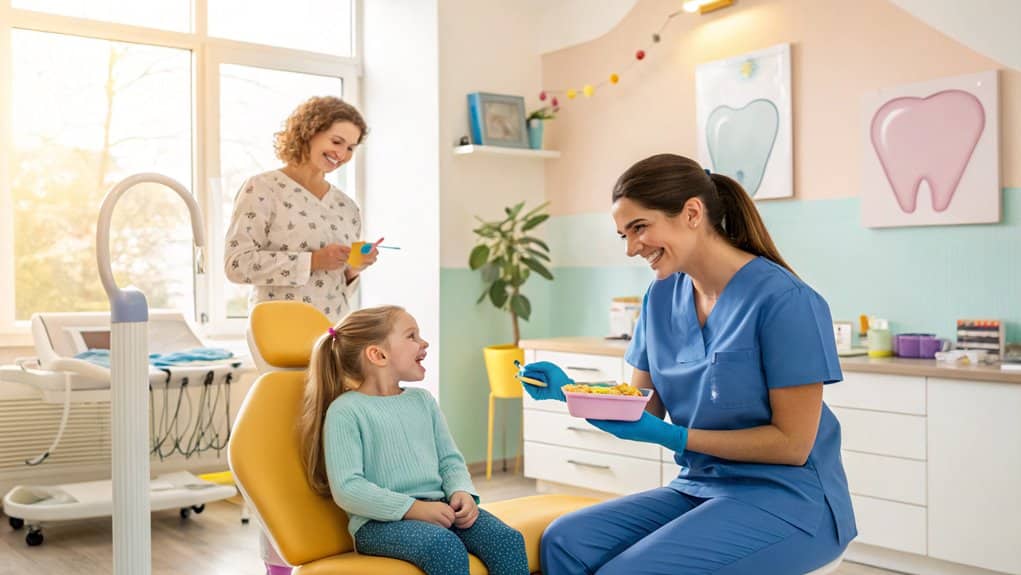
Providing dental care for children with mobility challenges requires more than standard accommodations; it demands thoughtful, inclusive design and specialized equipment that facilitate ease of movement and comfort.
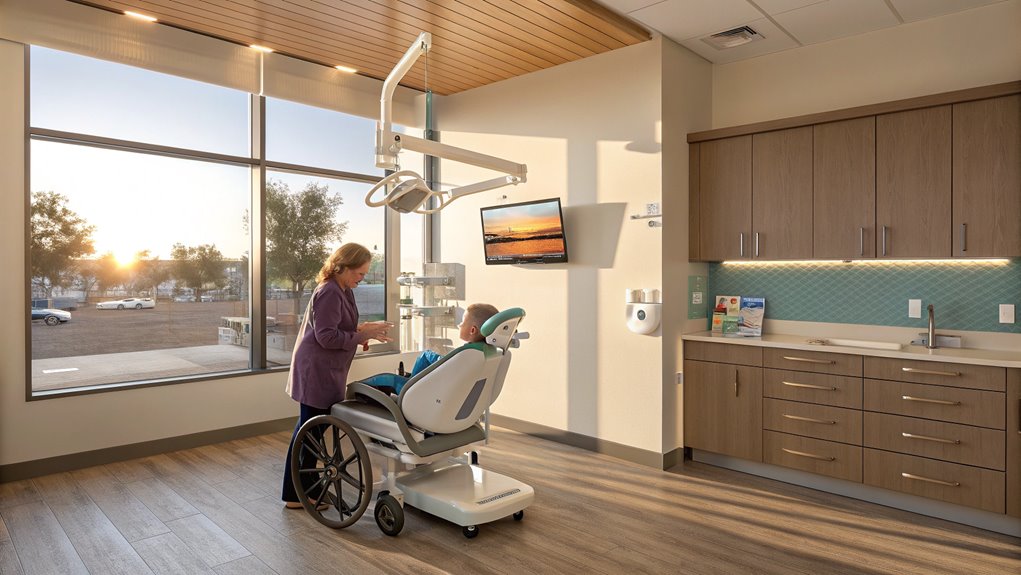
In Chandler, dental practices have addressed these challenges by incorporating wide doorways, smooth flooring, and spacious layouts that allow for safe wheelchair navigation. Additionally, they utilize adjustable dental chairs and portable units that enable children to remain in their wheelchairs if needed, reducing stress and physical strain during appointments.
Beyond physical accessibility, these clinics emphasize comprehensive staff training in behavioral and sensory-sensitive techniques to support children with conditions such as cerebral palsy and autism.
This holistic approach includes personalized care plans that consider each child’s mobility, sensory sensitivities, and cognitive needs, alongside customized sedation options when appropriate.
By prioritizing these integrated strategies, Chandler’s pediatric dental providers create an environment where special needs patients receive respectful, effective care tailored specifically to their unique circumstances.
Key Takeaways
- Wide doorways, level flooring, and spacious waiting areas designed with five-foot turning radii support safe and easy wheelchair navigation throughout the facility.
- Adjustable dental chairs featuring hydraulic lifts and tilt-in-space functionality help with patient transfers and ensure comfortable positioning during treatment.
- Thorough assessments consider mobility, sensory, and cognitive factors to develop personalized care plans tailored to each child’s specific needs.
- Staff undergo ongoing training in behavioral management, sensory-sensitive techniques, and adaptive communication methods to effectively support special needs patients.
- Customized sedation options, such as nitrous oxide and general anesthesia, assist in managing anxiety and enabling smooth dental procedures.
Facility Design Features That Support Mobility-Challenged Patients Throughout Chandler
Quick Take: Thoughtfully designed dental facilities in Chandler enhance accessibility and comfort for mobility-challenged pediatric patients, ensuring inclusive, barrier-free care environments.
As a result of prioritizing inclusive design, Chandler dental offices create spaces that accommodate wheelchairs and other mobility aids seamlessly. Over time, these environments reduce stress and physical strain for young patients and their families, fostering a positive dental experience. More importantly, integrating accessibility features supports equitable healthcare access by removing physical obstacles that traditionally limit mobility-challenged children’s participation in routine care.
In practice, accessibility goes beyond basic compliance, encompassing spatial planning, ergonomic fixtures, and intuitive navigation aids that empower independent movement. That’s why Chandler dental practices emphasize comprehensive design elements that address the full spectrum of mobility needs, from architectural dimensions to sensory-friendly signage. This holistic approach promotes confidence and ease for children using wheelchairs or assistive devices, ultimately improving treatment outcomes and patient satisfaction. Additionally, these facilities often incorporate child-centered dental environments that prioritize comfort and positive experiences for young patients.
Key design features that optimize mobility accessibility in pediatric dental clinics include:
• Wide doorways of at least 36 inches to facilitate unobstructed wheelchair passage throughout treatment areas
• Smooth, level flooring transitions between rooms to prevent jolts and enhance safety during transfers
• Spacious waiting areas with minimum five-foot turning radii, allowing free maneuverability for wheelchairs and strollers
• Accessible seating arrangements ensuring families can stay together comfortably without spatial constraints
• Clear, readable signage designed for cognitive ease, supporting independent wayfinding and reducing anxiety
• Lowered reception counters that enable direct communication between wheelchair users and staff without barriers
• Adjustable treatment chairs accommodating height variations for smooth transfers from mobility devices
Advanced Equipment and Technology Solutions for Comfortable Wheelchair-Based Treatment
Quick Take: Advanced dental equipment tailored for wheelchair-bound children revolutionizes care by enhancing comfort, safety, and clinical access, eliminating transfer discomfort while optimizing ergonomic precision for both patients and practitioners.
As a result of integrating specialized dental wheelchair recliners, clinics in Chandler have significantly improved treatment experiences for children with mobility challenges. These innovations allow patients to remain securely in their own wheelchairs, reducing physical strain and anxiety associated with transfers. More importantly, such equipment incorporates multi-axis adjustability to fine-tune seat height, backrest angle, and leg elevation, facilitating comprehensive oral care without compromising comfort.
Over time, these technologies have evolved to emphasize not only patient well-being but also practitioner ergonomics, streamlining procedures and minimizing occupational strain. That’s why modern systems combine hydraulic lifts, tilt-in-space functionality, and portable dental tool units to deliver seamless, patient-centered care. In practice, customizable features adapt to diverse body types, ensuring inclusive accessibility and enhanced treatment outcomes.
Key technological features include:
• Battery-powered recliners engineered to support patients up to 300 kg with adjustable headrests for individualized cranial support
• Hydraulic lift mechanisms enabling near-horizontal positioning to maximize oral cavity exposure and procedural efficiency
• Tilt-in-space designs that redistribute pressure and reduce musculoskeletal fatigue for dental professionals during prolonged treatments
• Portable, wheeled units equipped with certified dental instruments that bring comprehensive care directly to wheelchair-bound patients
• Secure locking systems and anti-tip safety measures that ensure stability and patient protection throughout therapy sessions
Overcoming the physical and psychological barriers associated with traditional dental visits requires embracing these ergonomic advances. More importantly, understanding how chair customization impacts comfort and accessibility empowers providers to tailor treatments effectively. As a result, mobility-challenged children receive care that respects their unique needs while enhancing clinical precision and safety. Furthermore, these advancements align with the child-friendly care principles emphasized by pediatric dental specialists, ensuring that the experience remains positive and supportive for both children and their families. Moving forward, investing in these cutting-edge solutions is essential for delivering compassionate, inclusive dentistry that aligns with evolving patient expectations and regulatory standards.
Personalized Assessment and Care Planning for Children With Physical Disabilities
Personalized dental assessments for children with physical disabilities involve comprehensive evaluations that inform tailored care plans, addressing unique mobility, sensory, and cognitive challenges to optimize oral health outcomes.
As a result, dental professionals in Chandler conduct in-depth medical and functional assessments that extend beyond routine exams, focusing on conditions like cerebral palsy and muscular dystrophy which impact oral development and hygiene capabilities. Over time, this detailed evaluation process helps identify specific risk factors such as increased dental trauma susceptibility and higher incidences of bruxism, enabling clinicians to anticipate and mitigate potential complications effectively. More importantly, these assessments consider sensory impairments and cognitive abilities, ensuring communication strategies and treatment plans align with each child’s individual needs.
In practice, this holistic approach integrates multiple facets of care to enhance treatment success and patient comfort. That’s why dentists document range of motion, manual dexterity, and neurological status, incorporating adaptive methods like visual aids or sign language when necessary. This multidimensional framework not only addresses physical limitations but also supports psychological and behavioral considerations, fostering a supportive environment for children with diverse disabilities.
Key personalized care elements include comprehensive risk identification and customized interventions such as:
• Detailed documentation of motor function and dexterity to tailor clinical procedures • Screening for sensory deficits to implement alternative communication tools
• Nutritional counseling focused on foods that promote dental health and minimize decay
• Modified dental treatment techniques accommodating limited mobility and tolerance
• Preventive strategies targeting elevated periodontal disease risk and dental trauma
• Incorporation of therapeutic methods addressing bruxism and oral motor dysfunction
Furthermore, adopting early intervention strategies can significantly improve long-term dental health outcomes for these children. Over time, this patient-centered, evidence-based framework transforms dental care delivery for children with physical disabilities. More importantly, it empowers caregivers and clinicians to collaborate on sustainable oral health strategies that respect each child’s unique capabilities and challenges. By prioritizing personalized assessments and adaptive treatment plans, dental professionals can significantly improve both clinical outcomes and quality of life for these vulnerable pediatric populations.
Specialized Sedation and Clinical Services Available at Local Practices
Key Insight: Tailored sedation solutions in local Chandler clinics ensure children experience safe, comfortable dental care tailored to their unique medical histories and anxiety levels. These specialized sedation options support diverse needs, from mild relaxation to deep sedation, fostering positive treatment outcomes and reducing dental fear long-term.
As a result, personalized sedation protocols begin with comprehensive assessments of each child’s health status and behavioral needs, ensuring optimal safety and efficacy. More importantly, this individualized approach enhances cooperation during dental visits, improving procedural success and patient comfort. Over time, combining sedation with expert monitoring and advanced techniques mitigates stress for children with sensory sensitivities, developmental disorders, or significant dental anxiety.
In practice, local Chandler providers offer a spectrum of sedation modalities designed to align with varying treatment complexities and patient profiles. Comprehensive sedation services include:
• Nitrous oxide administered via a nasal mask for mild anxiolysis without loss of consciousness
• Oral sedation using carefully dosed liquid medications to alleviate moderate anxiety during extended procedures • Intravenous (IV) sedation enabling precise control over sedation depth for complex dental treatments
• General anesthesia reserved for intensive cases requiring complete unconsciousness and immobility These sedation strategies are particularly beneficial for children with autism spectrum disorders, physical disabilities, or heightened sensory processing challenges.
More importantly, skilled clinicians continuously monitor vital signs and sedation levels under strict safety protocols, preventing adverse events and ensuring rapid recovery. That’s why integrating these sedation options cultivates positive dental experiences, effectively minimizing involuntary movements and fostering lifelong oral health compliance. Moving forward, families can confidently pursue necessary dental care knowing sedation is customized, safe, and supportive of each child’s well-being.
Expert Staff Training and Communication Approaches for Special Needs Pediatric Dentistry
Quick Take: Expert training and nuanced communication strategies empower pediatric dental teams to deliver compassionate, individualized care for children with special needs, enhancing patient comfort and clinical outcomes.
Delivering exceptional dental care to children with special needs requires more than clinical proficiency; it demands comprehensive staff training and finely tuned communication skills. As a result, dental practices specializing in this field prioritize continuous education that addresses diverse conditions such as autism spectrum disorder, cerebral palsy, and sensory processing challenges. Over time, these focused training initiatives enable every team member—from front-desk personnel to dental hygienists—to adapt their interactions and environments, fostering trust and reducing patient anxiety.
More importantly, effective communication extends beyond verbal exchanges to encompass sensory-sensitive approaches and behavioral management techniques tailored to each child’s unique profile. In practice, this holistic framework integrates evidence-based methods like the tell-show-do technique and desensitization protocols, alongside environmental modifications that minimize overstimulation. This multi-dimensional strategy not only improves cooperation during procedures but also cultivates positive dental experiences that support long-term oral health.
Key components of specialized staff training include
• Behavioral management techniques such as tell-show-do and positive reinforcement to gently acclimate patients
• Goal-oriented desensitization sessions targeting milestones like chair tolerance and acceptance of oral touch
• Creation of sensory-friendly clinical settings with adjustable lighting, sound dampening, and calming visual stimuli
• Mastery of both verbal cues and non-verbal communication, including body language and facial expressions, to enhance patient rapport
• Inclusive team collaboration ensuring seamless communication and consistent care strategies across all staff roles
Ultimately, prioritizing expert staff training and adaptive communication methods is essential for transforming pediatric dental care into a patient-centered experience that respects each child’s unique needs. As dental teams embrace this approach, they not only improve procedural success rates but also empower families and children to approach dental visits with confidence and ease. Moving forward, continuous refinement of these skills and environmental adjustments will remain critical to advancing inclusive oral healthcare.
In Summary
Nearly one in five children have special healthcare needs that demand adapted dental care approaches. Palm Valley Pediatric Dentistry & Orthodontics recognizes this necessity and provides wheelchair-accessible facilities designed to accommodate these requirements effectively. The clinics feature specialized equipment to support mobility-challenged children, ensuring their comfort throughout dental visits. This thoughtful design helps reduce anxiety and promotes a positive experience for young patients and their families.
In addition to suitable facilities and equipment, the staff at Palm Valley Pediatric Dentistry & Orthodontics receive specialized training to address the unique needs of children with physical disabilities. Their expertise allows them to deliver personalized, gentle care that prioritizes each child’s well-being. Incorporating advanced technology further enhances treatment precision and comfort, making dental appointments less stressful and more effective. This comprehensive approach guarantees that every child can access high-quality dental services tailored to their specific needs.
Parents in Scottsdale, East Mesa, Chandler, and surrounding areas can rely on Palm Valley Pediatric Dentistry & Orthodontics for dedicated dental care that balances accessibility with clinical excellence. The practice is committed to creating an environment where children with special healthcare needs feel safe and supported. By combining advanced planning, specialized tools, and compassionate professionals, they ensure children receive the best possible oral healthcare. This commitment makes Palm Valley Pediatric Dentistry & Orthodontics a trusted resource for families seeking exceptional pediatric dental services.