What Are Teeth Made Of? 4 Main Parts of a Tooth!
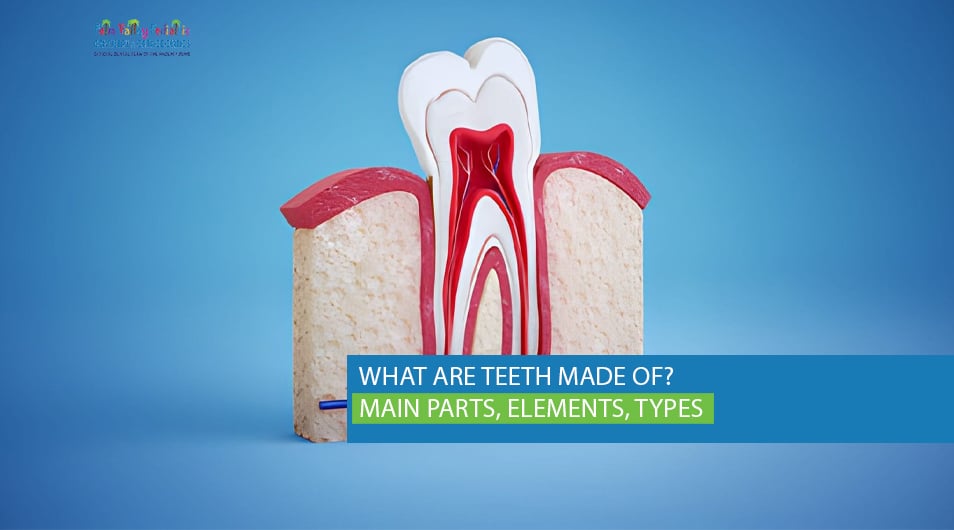
A tooth has four main tissues: enamel, dentin, cementum, and pulp. Each part has a different job. Enamel protects the tooth, dentin supports it, cementum covers the root, and pulp contains the nerves and blood vessels.
Teeth help your child bite, chew, speak, and smile. Learning about the parts of a tooth can also help parents understand why good dental care matters from an early age.
In this blog, we will explore the chemical composition of human teeth and what elements combine to make teeth.
Palm Valley Pediatric Dentistry & Orthodontics takes pride in serving the community in Arizona with their services, especially kids and adults, in a friendly environment.
Book your kid’s first free dental appointment today.

Is Your Child’s Smile on the Right Track?
Early dental visits aren’t just about cleaning teeth, they’re about catching problems before they become costly and painful. Our pediatric specialists create personalized care plans that grow with your child, from their very first tooth through their teen years.
Gentle, kid-friendly care in a welcoming environment.
What Are Teeth Actually Made Of?
A tooth is made of both hard and soft tissues. The outside is hard and protects the more sensitive parts inside. Every tooth has three main areas:
- Crown: The part of the tooth you can see above the gums.
- Neck: The area where the crown meets the gumline.
- Root: The part under the gums that holds the tooth in the jaw.
Inside these areas, four main tissues make up the tooth: enamel, dentin, cementum, and pulp.
What Are the 4 Main Parts of a Tooth?
Each part has a different job. Together, they help the tooth stay strong, work properly, and stay connected to the jaw.
1. Enamel
Enamel is the hard outer layer of the tooth. It protects the inside of the tooth from pressure, bacteria, and acids from food and drinks.
Enamel contains a high amount of minerals, mainly calcium and phosphate. It is the hardest substance in the human body.
Even though enamel is very strong, it cannot grow back once it is lost. This is why brushing with fluoride toothpaste and limiting sugary foods and drinks are important for children.
2. Dentin
Dentin sits underneath the enamel. It makes up most of the tooth and supports the hard outer layer.
Dentin is not as hard as enamel. It also contains tiny channels that can carry sensations toward the nerves inside the tooth.
If tooth decay breaks through the enamel and reaches the dentin, your child may start to feel sensitivity or pain.
3. Cementum
Cementum is the thin layer that covers the root of the tooth. It helps attach the tooth to the jaw through the periodontal ligament, keeping the tooth firmly in place. Cementum contains minerals, collagen, proteins, and water.
Its main job is to help attach the tooth to the tissues that hold it in the jaw. These tissues help keep the tooth stable when your child bites and chews.
You normally cannot see cementum because it sits below the gumline.
4. Pulp
The pulp is the soft part in the center of the tooth.
It contains blood vessels, nerves, and connective tissue. The blood vessels help keep the tooth’s living tissues healthy, while the nerves allow the tooth to sense pain and temperature.
When decay or an injury reaches the pulp, the tooth can become painful and may need dental treatment.
Are Teeth Bones?
Teeth are not bones. No.
Teeth and bones both contain minerals such as calcium and phosphate, but they are different parts of the body. Bones can repair and remodel themselves, while enamel cannot grow back after it is lost.
Teeth also have a different structure. They contain enamel, dentin, cementum, and pulp, while bones have a different type of tissue and structure.
So, even though teeth and bones both contain minerals, you should not think of teeth as bones.
Why Are Teeth So Strong?
Teeth need to handle a lot of pressure every day. Your child uses them to bite and chew food many times throughout the day.
The strength of a tooth comes mainly from its mineral-rich tissues. Enamel provides a hard protective surface, while dentin gives the tooth support underneath.
However, strong teeth can still develop tooth cavities. Bacteria in the mouth can use sugar to produce acids that slowly damage enamel.
That is why your child’s teeth need daily care even though enamel is very strong.
Give Your Child the Gift of a Healthy Smile
PVPD doesn’t just treat teeth; we build lasting relationships with families. More confident kids. More comfortable appointments. More reasons to smile. Our patients leave happier and healthier, visit after visit.
Serving families across Scottsdale, because every child deserves a great smile.
What Is the Difference Between Baby Teeth and Adult Teeth?
Children have 20 baby teeth, while most adults have 32 permanent teeth, including the wisdom teeth.
Baby teeth are smaller and have thinner enamel and dentin than permanent teeth. Because of this, tooth decay can spread more quickly in baby teeth.
Baby teeth also have an important job. They help children chew food, speak clearly, and keep space for their permanent teeth.
This is why you should care for baby teeth even though they eventually fall out.
Baby Teeth
Baby teeth usually start coming in during the first year of life. Most children have all 20 baby teeth by about age 3.
These teeth help your child learn to bite and chew. They also help guide the permanent teeth that will replace them later.
Permanent Teeth
Permanent teeth begin replacing baby teeth during childhood. Most children start losing baby teeth around age 6, although the timing can vary.
Permanent teeth need lifelong care because they are meant to last for the rest of your child’s life.
What Does Each Type of Tooth Do?
Not every tooth has the same shape or job. Your child’s teeth work together to help them bite, tear, crush, and grind food.
Incisors
Incisors are the front teeth. They have a thin, sharp edge that helps your child bite and cut food into smaller pieces.
Canines
Canines sit next to the incisors. They have pointed tips that help your child tear and hold food when eating.
Premolars
Premolars sit behind the canines and are found in permanent teeth. Their wider surfaces help crush and break food into smaller pieces.
Molars
Molars are the large teeth at the back of the mouth. Their broad, flat surfaces help your child grind food so it is easier to swallow.
Wisdom Teeth
Wisdom teeth are the last permanent molars to develop. They usually appear in the late teenage years or early adulthood and sit at the very back of the mouth. Some people never develop wisdom teeth, while others may need them removed if they cause problems.
Not everyone needs wisdom teeth removed. A dentist or oral surgeon can check them and recommend treatment if they cause problems.
Why Are Baby Teeth Important?
Some parents think baby teeth do not need much care because they will eventually fall out. That is not true.
Healthy baby teeth help your child eat, speak, and smile. They also help hold space for permanent teeth.
A cavity in a baby tooth can cause pain and infection. In some cases, severe decay can also affect the tooth underneath.
Good care from the first tooth can help your child build healthy dental habits that last for years.
PVPD Helps Protect Baby’s Growing Teeth!
Teeth have four main parts: enamel, dentin, cementum, and pulp. Each part has an important job, from protecting the tooth to keeping it connected to the jaw and carrying nerves and blood vessels.
Baby teeth may not last forever, but they still need daily care. Brushing, cleaning between the teeth, limiting sugar, and regular dental visits can help protect your child’s smile.
At Palm Valley Pediatric Dentistry & Orthodontics (PVPD), our pediatric dentists care for children’s teeth at every stage of growth.
We provide preventive dental care, professional cleanings, fluoride care, dental exams, and treatment when problems such as cavities or tooth injuries occur.
If you have concerns about your child’s teeth, schedule an appointment with PVPD or call (623) 535-7873. Our pediatric dental team will check your baby’s teeth problems and suggest the best care.
People Also Ask
How often should children brush their teeth?
Children should brush their teeth twice a day, once in the morning and once before bed. Parents should help young children brush until they can clean their teeth well on their own.
Do children need to floss their baby teeth?
Yes. If your child’s teeth touch each other, clean between them every day. Flossing helps remove food and plaque from places a toothbrush cannot reach.
Why are children’s teeth more likely to get cavities?
Children may have a higher risk of cavities because they are still learning to brush properly. Frequent sugary foods and drinks can also feed the bacteria that cause tooth decay.
What happens if a baby tooth gets a cavity?
A cavity in a baby tooth can cause pain, infection, and other dental problems if it is not treated. A pediatric dentist can check the tooth and recommend the right treatment.
When should a child have their first dental visit?
Children should have their first dental visit by their first birthday or within six months after their first tooth appears. Early visits help the dentist check tooth development and teach parents how to care for their child’s teeth.
Why do children’s teeth fall out?
Baby teeth fall out because the permanent teeth growing underneath them slowly push them out. This makes room for the permanent teeth as your child grows.
Can a damaged tooth heal itself?
Small areas of early enamel damage may improve with good oral care and fluoride. However, a broken tooth or established cavity cannot simply heal on its own and should be checked by a dentist.
How can I protect my child’s enamel?
Help your child brush twice a day with fluoride toothpaste, limit sugary foods and drinks, and encourage regular dental visits. These simple habits can help protect the enamel from tooth decay.
Pediatric Dental Specialist at PVPD

Dr. Olga
Dr. Olga brings years of specialized pediatric dental expertise and a genuine passion for children’s oral health to the PVPD team. She specializes in creating anxiety-free dental experiences and early-intervention care strategies that set children up for a lifetime of healthy smiles.
Medically reviewed by Dr. Olga Dolghier, DDS, Pediatric Dentist at Palm Valley Pediatric Dentistry & Orthodontics.