Root Canal Recovery: Procedure, Causes, and Healing Tips
Having a root canal done is considered a significant achievement as you overcome the fear of losing a natural permanent tooth. But, sometimes, the scariest part is facing the healing phase, which can be a miserable experience for some individuals.
The root canal takes only a few days for full recovery unless there is some complication, which can extend the healing process to a few weeks. Patients return to routine within seven to ten days after a root canal.
What Does a Root Canal Recovery Process Look Like?
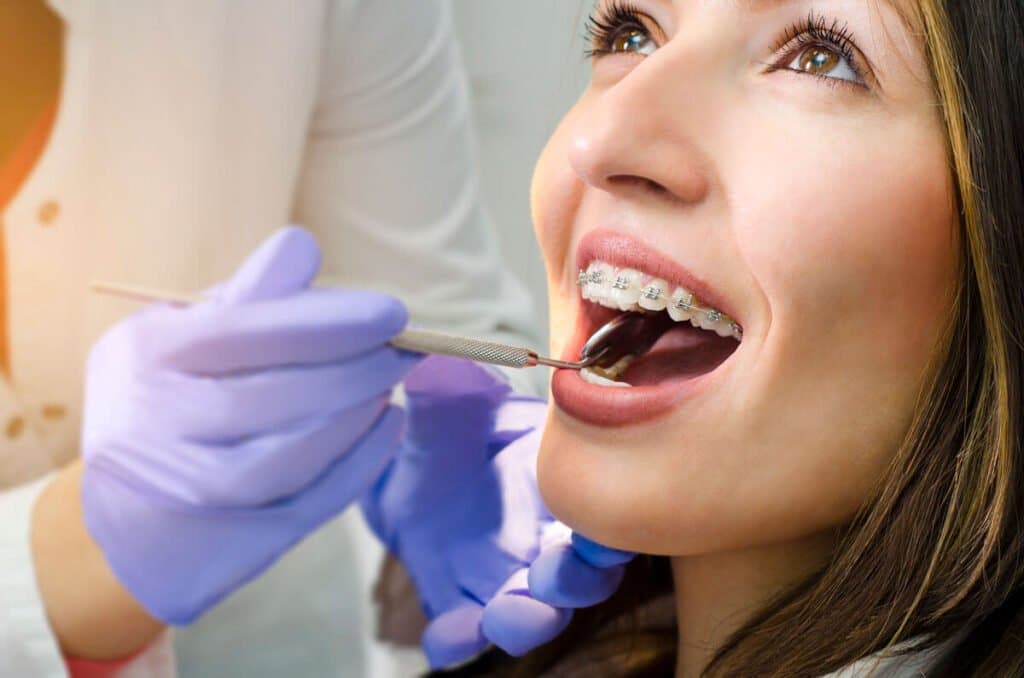
The procedure starts with local anesthesia to numb the area surrounding the gums. The infected dental pulp is removed by creating a hole in the tooth structure. It is then removed using advanced dental equipment, and the whole process takes 30 minutes to 2 hours, which is comparatively prolonged than extraction.

Is Your Child’s Smile on the Right Track?
Early dental visits aren’t just about cleaning teeth, they’re about catching problems before they become costly and painful. Our pediatric specialists create personalized care plans that grow with your child, from their very first tooth through their teen years.
Gentle, kid-friendly care in a welcoming environment.
Further, the tooth is cleaned inside, and the hole is filled with dental material, followed by temporary sealing on the tooth to prevent reinfection.
The patient then waits for the right time to replace the dental restoration with permanent tooth filling or crown placement.
After 2 to 3 weeks, the filling is replaced with a permanent filling. At this time, a custom-made crown is also placed on the tooth to restore its aesthetics and functions. The absence of pain, tight canal sealing, and restored tooth functioning represent a full recovery.
How Long Does Root Canal Recovery Take?
The exact timeline of root canal treatment and recovery depends on several factors. For instance, studies show that root canal healing time increased in patients older than 40, immunocompromised, and root canals with over-extended fillings.
Usually, it takes 1-2 weeks to recover after such a treatment. There is a possibility of experiencing mild to moderate discomfort and side effects such as pain and inflammation. The pain goes away over the time of a few more days.
Moreover, following your dentist’s guidelines, making healthy choices, and taking antibiotics and medicines make a way to speedy recovery and progress toward a healthy smile.
5 Best Tips to Speed up Root Canal Recovery
Following the dentist’s prescription for medicine is essential for healing. Additionally, a few tips can be helpful while undergoing a challenging dental treatment. Here are a few tips that will make you feel better after root therapy and can boost healing.
1: Pay attention to how you feel
If you feel good post root canal, you must notice how you feel and what symptoms appear during recovery.
Swelling, numbness, pain, inflammation, and discomfort are signs that take time to go away. However, if you see any signs reappearing after some time, such as hives, throbbing pain, or swelling, make sure to book an emergency visit with your dentist.
2: Sleep
Make sure to take proper rest after the treatment. If you can sleep for long durations, that’s an excellent way to cut off the pain and discomfort. It will heal the gums and mouth and will surely alleviate the pain.
3: Rinse mouth with salt water
Rinse your mouth with warm water and a pinch of salt as an antibacterial wash. It will clear up the filling residues and will prevent bacterial growth and infection which are among the major causes of a root canal.
4: Avoid exercise
You must take a break from strenuous physical activities for 48 hours if you are a fitness freak. Make sure to perform your routine tasks, but avoid any harsh activity that can prolong healing, such as running or hiking.
5: Adjust diet during recovery
Refrain from eating something right after the procedure. The reason is that your numb mouth is not ready to apply pressure during chewing. So, delay eating for a few hours and take liquid diets in the first 24 to 48 hours.
While your gums and teeth are sore, it is difficult to eat hard foods. Moreover, some food items can cause temporary or permanent damage, so make sure to avoid them, such as alcohol and tobacco smoke.
Avoid crunchy and hard food items that require chewing and putting pressure on molars and gums. The list of safe foods for root canal healing includes:
Give Your Child the Gift of a Healthy Smile
PVPD doesn’t just treat teeth; we build lasting relationships with families. More confident kids. More comfortable appointments. More reasons to smile. Our patients leave happier and healthier, visit after visit.
Serving families across Scottsdale, because every child deserves a great smile.
Book Your Treatment at PVPD
If you are experiencing tooth pain, swollen gums, and pressure, get a dental X-ray done by a professional to see if you have an infected pulp. Palm Valley Pediatric Dentistry & Orthodontics is available to offer the quality dental care treatments you deserve.
FAQs
What are the restrictions after a root canal?
There are some limitations to food and physical activities to avoid any complications. Most dentists recommend taking time off from work and resting fully for a speedy recovery.
How long is the pain after a root canal?
Three to five days of pain post root canal is average. Some individuals experience sharp pain for three days, and then it subsides. Others can experience it for a few more days until complete recovery.
What is the aftercare of a root canal?
Post-root canal care includes adjusting the diet routine until your teeth feel like usual. Do not use alcohol. Visit your dentist for follow-up and only eat prescribed medicine.
Pediatric Dental Specialist at PVPD

Dr. Olga
Dr. Olga brings years of specialized pediatric dental expertise and a genuine passion for children’s oral health to the PVPD team. She specializes in creating anxiety-free dental experiences and early-intervention care strategies that set children up for a lifetime of healthy smiles.
Medically reviewed by Dr. Olga Dolghier, DDS, Pediatric Dentist at Palm Valley Pediatric Dentistry & Orthodontics.