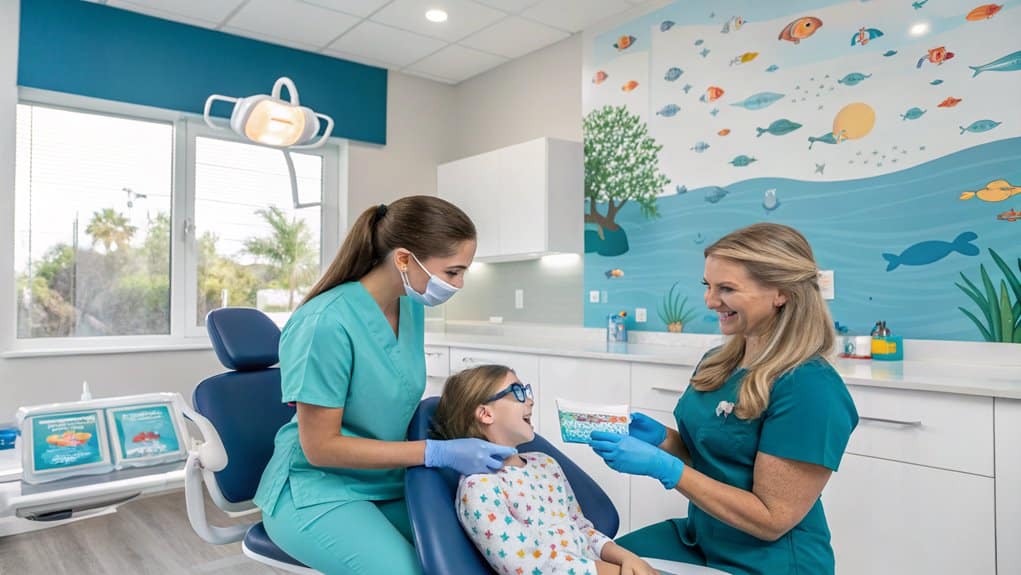
Chandler Pediatric Dentists Reveal Science-Backed Strategies for Lifelong Cavity Prevention in Kids
Quick Take: Discover how Chandler pediatric dentists combine expert treatments and daily habits to build a comprehensive, science-backed defense against cavities in children.
Preventing cavities in children requires more than occasional dental visits; it demands an integrated approach that addresses both professional care and consistent home routines. Chandler pediatric dentists emphasize the importance of dental sealants, which can reduce cavity risk significantly, alongside fluoride varnish treatments that strengthen enamel through regular remineralization. These clinical measures create a resilient barrier against decay, but their effectiveness is amplified when paired with diligent daily practices like brushing with fluoride toothpaste and flossing to eliminate plaque buildup.
Beyond oral hygiene, nutrition plays a crucial role in cavity prevention by naturally stimulating saliva production and balancing oral pH levels. Incorporating dairy products, fiber-rich fruits, and crunchy vegetables into a child’s diet supports this protective environment, enhancing the benefits of professional care.
Understanding each child’s unique risk factors allows for tailored checkups and personalized prevention plans, establishing a proactive, lifelong strategy that empowers families to maintain healthy smiles well into the future.
Key Takeaways
- Professional dental treatments such as sealants, fluoride varnish, and Silver Diamine Fluoride can lower the risk of cavities by up to 90%.
- Brush teeth twice daily for two minutes using fluoride toothpaste, and floss once a day with the proper C-shape technique to effectively clean between teeth.
- Consuming dairy products, fiber-rich fruits, and leafy greens helps strengthen tooth enamel, while reducing sugary snacks limits the growth of cavity-causing bacteria.
- Scheduling your child’s first dental visit by age one and maintaining regular six-month checkups supports early cavity detection and tailored prevention plans.
- Community programs and culturally sensitive care play important roles in overcoming socioeconomic barriers and promoting equitable oral health for children.
Understanding Your Child’s Cavity Risk Factors and Prevention Timeline
Key Insight: Children’s cavity risks are influenced by socioeconomic status, racial disparities, and environmental factors, necessitating targeted prevention strategies to improve oral health equity. Understanding these complex influences helps parents and dental professionals tailor effective interventions for lasting cavity prevention.
Socioeconomic challenges profoundly impact children’s oral health outcomes. As a result, children from lower-income families experience significantly higher rates of tooth decay due to barriers like limited access to dental care, crowded living conditions, and food insecurity. Over time, these factors compound, increasing the prevalence and severity of untreated cavities, which directly affects children’s overall health and quality of life.
More importantly, racial and ethnic disparities exacerbate these risks, with Mexican American and Black children disproportionately affected by early and severe tooth decay. That’s why culturally informed dental care and community-based prevention programs are critical to bridging these gaps. In practice, recognizing the intersection of historical inequities and social determinants enables tailored strategies that address root causes rather than symptoms alone.
Key risk factors that elevate cavity prevalence include:
• Socioeconomic status limiting access to preventive dental services and fluoridated water
• Food insecurity increasing consumption of cariogenic foods and reducing regular oral hygiene
• Crowded or unstable housing environments fostering poor oral hygiene habits and stress-related health issues
• Racial and ethnic disparities linked to systemic barriers and culturally specific health behaviors
• Geographic and transportation challenges restricting routine dental visits and follow-up care
Ultimately, addressing childhood cavity risk requires a holistic approach that integrates social, economic, and cultural dimensions. More importantly, parents and caregivers empowered with this knowledge become advocates for equitable oral health resources. As you move forward, consider partnering with dental professionals who understand these multifaceted risks to implement prevention plans tailored to your child’s unique needs. This proactive mindset not only reduces cavity incidence but fosters lifelong oral health resilience. For instance, preventive care such as regular dental cleanings and fluoride treatments can significantly diminish cavity risk among children.
Professional Protective Treatments That Stop Decay Before It Starts
Key Insight: Professional pediatric dental treatments such as sealants, fluoride varnishes, and Silver Diamine Fluoride effectively create protective barriers that prevent tooth decay before it begins, significantly reducing childhood cavities. These preventive measures, combined with routine dental check-ups, empower parents to safeguard their children’s oral health proactively.
As a result, applying dental sealants on molars and premolars—where most childhood cavities develop—forms a durable shield against decay. Over time, these thin resin coatings minimize plaque accumulation and acid penetration, decreasing cavity risk by up to 90%. More importantly, fluoride varnish treatments strengthen enamel by replenishing essential minerals, enhancing resistance to acid attacks from sugary diets, which is critical for maintaining healthy teeth in growing children.
In practice, early decay detection and management are vital, and Silver Diamine Fluoride offers a minimally invasive solution that arrests cavities without drilling or anesthesia. That’s why regular professional dental evaluations are indispensable, allowing timely intervention and reinforcing preventive care.
Key professional protective treatments include:
• Dental sealants: Long-lasting, thin protective layers applied to chewing surfaces to block bacteria and food particles
• Fluoride varnish: Concentrated mineral applications every six months that enhance enamel remineralization and acid resistance
• Silver Diamine Fluoride (SDF): A non-invasive, antimicrobial agent that halts early tooth decay progression painlessly
• Routine dental check-ups: Essential for early cavity detection, personalized treatment planning, and reinforcing preventive protocols
• Oral hygiene education: Guidance on effective brushing and dietary habits that complement professional treatments and reduce decay risk
More importantly, integrating these evidence-based preventive treatments fosters a comprehensive defense system that not only halts decay but also supports long-term oral health resilience. Over time, this proactive approach minimizes invasive procedures and dental anxiety in children, empowering families with confidence and control over their dental well-being. As a parent, prioritizing these professional protective strategies alongside consistent home care is the most effective way to ensure your child’s smile remains strong and cavity-free. Additionally, many pediatric dentists, like those in Scottsdale, emphasize child-centered care to create a supportive environment that alleviates dental anxiety and encourages positive dental habits.
Building Effective Daily Brushing and Flossing Routines at Every Age
Key Insight: Developing consistent daily brushing and flossing routines from childhood builds a foundation for lifelong oral health, reducing plaque buildup and cavity risks through effective techniques tailored to motor skills and developmental stages.
As children advance in motor coordination, mastering precise oral hygiene techniques becomes essential for preventing dental issues and fostering independence. Over time, integrating proper brushing and flossing methods supports the maintenance of healthy gums, enamel strength, and fresh breath, which are critical for overall well-being. That’s why pediatric dental experts emphasize age-appropriate guidance, ensuring children learn to clean all tooth surfaces thoroughly while minimizing gum irritation or injury. In practice, embedding these habits into daily schedules, especially before bedtime, transforms oral care from a chore into an automatic, sustainable routine.
More importantly, reinforcing proper flossing techniques complements brushing by targeting interdental plaque that toothbrushes cannot reach, further reducing cavity formation and periodontal disease risks. Families who prioritize educational consistency and hands-on demonstrations empower children to embrace responsibility and confidence in their oral health management. As a result, these foundational habits contribute to long-term dental resilience and reduced need for invasive treatments later in life. Additionally, incorporating early intervention strategies, like regular dental check-ups, can further enhance children’s oral health outcomes.
Effective oral hygiene routines encompass several critical practices to maximize dental care benefits:
• Brush twice daily for two to three minutes with a soft-bristled toothbrush angled at 45 degrees to the gum line for optimal plaque removal.
• Use a pea-sized amount of fluoride toothpaste to strengthen enamel while preventing gingival irritation.
• Follow a systematic brushing order: clean outside surfaces first, then inside surfaces, and finish with chewing surfaces for comprehensive coverage.
• Floss once daily using about 18 inches of floss, forming a C-shape around each tooth to gently remove interdental plaque without damaging soft tissues.
• Incorporate flossing before brushing to dislodge debris and enhance fluoride toothpaste effectiveness.
• Establish consistent routines, especially before bedtime, to reinforce habit formation and ensure thorough cleaning after daily food intake.
Ultimately, embracing a proactive oral hygiene mindset empowers children and families to safeguard dental health effectively. By understanding the importance of technique precision and routine consistency, caregivers can guide young individuals to become confident, knowledgeable stewards of their smiles. Moving forward, prioritizing these evidence-based practices will not only prevent common dental problems but also promote overall health, enhancing quality of life well beyond childhood.
Smart Food Choices That Naturally Protect Growing Teeth
Quick Take: Nutritious food choices fundamentally support strong, cavity-resistant teeth by enhancing enamel health, balancing oral pH, and stimulating saliva, making diet a pivotal factor in lifelong dental resilience.
As a result of consuming calcium-dense dairy products like milk, cheese, and yogurt, children’s tooth enamel undergoes remineralization, reinforcing its structural integrity against decay. More importantly, specific foods such as cheese elevate oral pH, neutralizing cavity-causing acids and creating an environment less hospitable to harmful bacteria. Over time, integrating fiber-rich fruits and vegetables contributes mechanical cleansing effects and promotes saliva flow, which naturally protects teeth from acid erosion and bacterial buildup.
In practice, incorporating nutrient-dense leafy greens and nuts further bolsters dental defenses by supplying essential minerals like calcium, fluoride, and omega-3 fatty acids that enhance enamel strength and gum health. That’s why prioritizing whole foods over processed snacks rich in sugars is vital, as sugar fuels bacterial activity responsible for cavities. This holistic dietary approach synergistically supports oral microbiome balance and tooth integrity during critical developmental stages.
Key benefits of smart dietary choices for oral health include:
• Enhanced enamel remineralization through calcium and phosphate-rich dairy products
• Oral pH stabilization by consuming cheese and alkaline-forming foods to inhibit acidogenic bacteria
• Mechanical plaque removal and saliva stimulation from crunchy, fibrous fruits and vegetables
• Mineral fortification via dark leafy greens supplying fluoride and calcium for enamel defense
• Anti-inflammatory and gum-supportive nutrients provided by nuts rich in omega-3 fatty acids and essential minerals
• Reduced cariogenic risk by limiting sugar intake and replacing processed snacks with nutrient-dense whole foods
More importantly, embracing these nutrition strategies empowers parents to proactively nurture their children’s oral health, fostering resilient teeth capable of withstanding decay pressures. As a result, consistent consumption of dairy servings, crunchy produce, and minimally processed snacks cultivates an oral environment where beneficial bacteria thrive and cavity formation is minimized. Over time, this informed dietary framework not only preserves dental health but also instills lifelong habits that support overall well-being.
Establishing the Right Dental Checkup Schedule for Maximum Protection
Quick Take: Establishing a tailored dental checkup schedule from infancy optimizes children’s cavity prevention and supports lifelong oral health by addressing individual risk factors and promoting proactive care.
As a result of early dental visits, pediatric dentists can perform comprehensive oral risk assessments and detect potential issues before cavities develop. Scheduling the first appointment around the eruption of the first tooth—typically by six months to one year—lays a critical foundation for preventive dental care. Over time, these early interventions facilitate personalized guidance on nutrition, oral hygiene, and protective treatments that align with each child’s unique developmental needs.
More importantly, the frequency of subsequent dental checkups adapts dynamically based on factors such as past cavity history, dietary habits, genetic predisposition, and oral hygiene effectiveness. In practice, this individualized approach ensures children at higher risk receive intensified monitoring and preventive measures, while those with low risk avoid unnecessary visits. Consistent, customized professional care enhances plaque control, early cavity detection, and overall oral wellness.
Key personalized factors to consider when establishing a dental visit schedule include:
• Age of first tooth eruption and initial dental assessment timing
• Child’s history of cavities or early signs of enamel demineralization
• Nutritional habits impacting oral microbiome balance and acid exposure
• Effectiveness and consistency of daily oral hygiene routines at home
• Genetic predispositions influencing susceptibility to tooth decay or gum disease
• Dentist’s use of diagnostic tools such as bitewing x-rays and plaque scoring
That’s why adopting a proactive, risk-based dental checkup plan empowers parents to safeguard their children’s smiles effectively. Over time, this approach fosters positive dental experiences and builds trust between families and dental professionals. Moving forward, integrating personalized dental care with informed lifestyle choices ensures maximum protection against cavities and supports enduring oral health resilience.
In Summary
Palm Valley Pediatric Dentistry & Orthodontics in Scottsdale, East Mesa, and Chandler offers expert guidance to help families implement effective cavity prevention strategies. By combining professional dental treatments with consistent, thorough home care routines, parents can drastically reduce their children’s risk of developing cavities. Encouraging smart nutritional habits alongside these practices further strengthens dental health. Regular checkups at Palm Valley Pediatric Dentistry ensure any issues are caught early and addressed promptly.
Scientific research confirms that cavities are largely preventable when parents actively participate in their children’s oral care. At Palm Valley Pediatric Dentistry & Orthodontics, personalized care plans emphasize this proactive approach to maintain optimal oral health. This comprehensive strategy supports children in developing naturally strong teeth that endure throughout their lives. Through education and professional support, families gain the tools needed for lifelong cavity prevention.
Starting these preventative habits early is essential for lasting benefits in children’s dental health. The experienced team at Palm Valley Pediatric Dentistry & Orthodontics provides ongoing support tailored to each child’s needs within the Scottsdale, East Mesa, and Chandler communities. Their focus on combining science-backed methods with compassionate care helps transform children’s dental futures. Parents can trust Palm Valley Pediatric Dentistry to guide them toward a cavity-free, healthy smile for their children.