
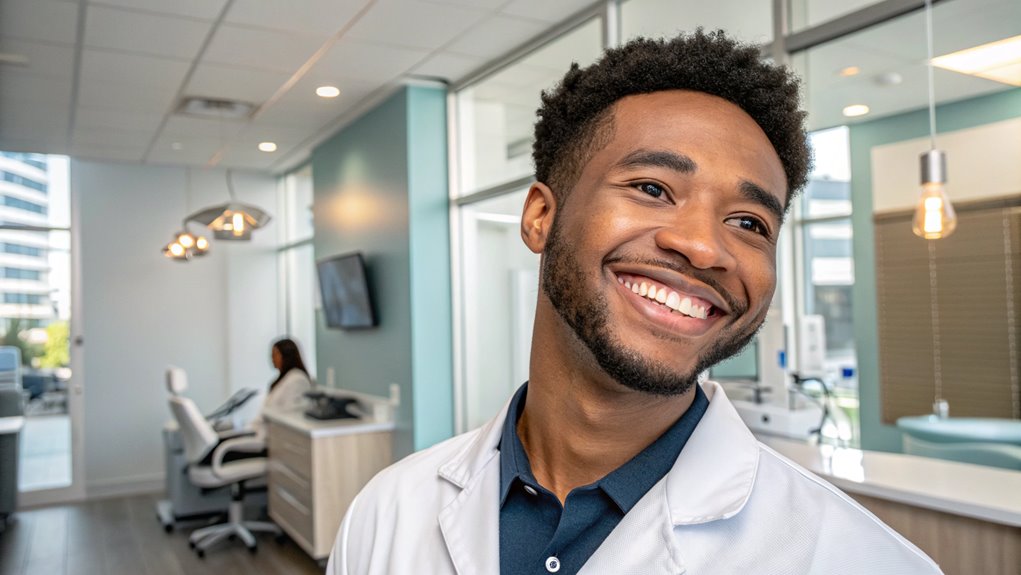
What’s the Typical Timeline for Seeing Results From Teeth Straightening Treatment in Chandler?
Quick Take: Understanding the typical timeline for teeth straightening in Chandler helps patients anticipate visible improvements and manage expectations throughout their treatment journey.
Many individuals seeking clear aligner therapy in Chandler often wonder how quickly they will see changes in their smile. Initially, subtle shifts become noticeable within the first few weeks, encouraging patients to stay committed. Over the next couple of months, these adjustments become more pronounced, reflecting the steady progress aligning teeth more effectively.
However, the overall duration varies widely depending on the complexity of the dental issues and how consistently the aligners are worn daily. In addition, the full transformation process can range from six months to a year for mild to moderate cases, while more severe misalignments may require extended treatment lasting up to two or three years.
Consistent compliance with wearing aligners for 20-22 hours each day significantly accelerates results, and younger patients typically experience faster improvements due to greater biological adaptability. Recognizing these factors empowers patients to remain motivated and informed, setting a realistic timeline for achieving their desired smile enhancement.
Key Takeaways
- Teeth straightening treatment in Chandler typically spans 6 to 18 months, with simpler cases often completing in under a year and more complex ones taking longer.
- You can expect to see noticeable tooth movement within 2 to 3 weeks of consistent daily aligner use.
- Wearing aligners for 20 to 22 hours a day helps speed up progress, with each set usually worn for about two weeks before switching to the next.
- Younger patients tend to experience faster results because their bone tissue is less dense, allowing teeth to move more easily.
- More severe misalignment cases might require treatment lasting 24 to 36 months, depending on the individual’s dental structure and the complexity involved.
How Long Does Clear Aligner Treatment Take in Chandler?
Key Insight: Clear aligner treatment in Chandler typically spans six to eighteen months, tailored to each patient’s orthodontic complexity and dental anatomy. Consistent wear and professional guidance optimize both timeline and results.
As a result of varying degrees of tooth misalignment, patients in Chandler experience diverse treatment durations with clear aligners. Minor adjustments often require less than a year, while intricate dental corrections extend closer to eighteen months. Over time, advances in aligner technology and personalized treatment planning have enhanced predictability and efficiency for diverse orthodontic needs.
More importantly, selecting the right clear aligner system—such as Invisalign or SureSmile—affects both the treatment timeline and patient experience. In practice, adherence to prescribed daily wear of sixteen to twenty-two hours is critical for achieving optimal outcomes within the expected timeframe. That’s why collaboration with an experienced orthodontist ensures a customized plan aligned with your lifestyle and goals. Additionally, early intervention can lead to better outcomes and shorter treatment times for young patients.
Understanding key factors influencing treatment duration includes:
• Severity of dental misalignment and complexity of tooth movements required
• Individual dental anatomy and response to orthodontic forces
• Choice of clear aligner brand and its specific technology or material properties
• Patient compliance with recommended daily wear time and care instructions
• Frequency and quality of orthodontic monitoring and adjustments • Overall oral health and any concurrent dental treatments impacting progress
What Happens During Your First Few Weeks of Treatment?
Key Insight: Starting clear aligner treatment involves an adjustment period marked by initial discomfort and gradual tooth movement, with consistent wear and proper care accelerating visible alignment results.
Beginning clear aligner therapy introduces a transitional phase where patients experience mild pressure and adaptation as their oral environment adjusts to the orthodontic device. Over time, this initial sensitivity diminishes, signaling effective tooth repositioning through controlled force application. That’s why understanding the interplay between biological response and aligner mechanics is crucial for managing expectations and optimizing treatment adherence.
In practice, tooth movement typically becomes noticeable within two to three weeks, with alignment progress accelerating by the one-month milestone. More importantly, integrating disciplined oral hygiene and dietary modifications supports oral health and enhances aligner efficacy. This comprehensive approach ensures that patients maintain momentum toward their desired smile transformation while minimizing complications. Additionally, preventive care from pediatric dental professionals helps to ensure that oral health remains a priority throughout the treatment process.
Here’s what you need to know about the early stages of clear aligner treatment:
• Initial Pressure and Discomfort: Mild soreness indicates active tooth shifting and usually subsides as tissues adapt.
• Early Tooth Movement: Observable alignment changes often appear between weeks two and three, with gaps closing progressively.
• Consistent Wear Time: Wearing aligners 20-22 hours daily is essential to maintain treatment pace and avoid delays.
• Oral Hygiene Importance: Meticulous cleaning of both teeth and aligners prevents plaque buildup and preserves oral health.
• Dietary Adjustments: Avoiding hard, sticky foods reduces risk of aligner damage and supports comfort during wear.
• Progress Tracking: Taking biweekly photos helps patients and clinicians monitor subtle yet significant tooth shifts.
As a result, embracing this dynamic initial phase with patience and proactive care sets the foundation for successful orthodontic outcomes. Over time, the blend of biological adaptation and mechanical precision transforms smiles reliably and predictably. That’s why staying committed to aligner protocols and monitoring progress empowers patients to become active participants in their smile journey. Moving forward, leveraging these insights encourages confidence and maximizes the benefits of clear aligner therapy.
Daily Wear Requirements That Impact Your Timeline
• Aligners require 20-22 hours of wear daily to maintain continuous pressure for effective tooth repositioning.
• Removal time should not exceed 2-4 hours per day to avoid disrupting the biomechanical forces needed for movement.
• Each aligner tray typically spans two weeks of consistent wear, guiding teeth through incremental adjustments.
• Minimal dietary restrictions apply since aligners are removed during meals, allowing normal eating habits without compromising treatment.
• Digital monitoring technologies track wear time, enhancing patient accountability and enabling proactive clinical interventions.
• Furthermore, pediatric dentists emphasize the significance of a structured approach to treatment that prioritizes consistent use for optimal results.
In practice, recognizing the paramount importance of wear-time discipline empowers patients to achieve their desired smile within the projected timeline. That’s why embracing a structured wear schedule and leveraging digital tracking tools can drastically improve adherence and clinical success. Moving forward, prioritizing consistent aligner use not only accelerates dental correction but also fosters confidence in the treatment journey.
Why Some Patients Need Longer Treatment Than Others
Key Insight: Orthodontic treatment duration varies widely due to factors like dental complexity, patient age, and biological response, shaping personalized care timelines for optimal results. Understanding these influences helps patients set realistic expectations and engage proactively in their treatment journey.
As a result, the severity of dental misalignment significantly impacts how long orthodontic care takes. Minor spacing or crowding issues often resolve within 6-12 months, whereas intricate cases involving skeletal discrepancies or bite dysfunctions may extend treatment to 24-36 months. Over time, patient age also plays a crucial role; younger individuals typically experience faster tooth movement due to ongoing jaw growth, while adults contend with denser bone and slower remodeling processes, often requiring longer treatment periods.
More importantly, treatment customization hinges on multiple interrelated factors that influence the biological and mechanical dynamics of tooth realignment. Key determinants shaping treatment duration include:
• Severity and complexity of malocclusion, including crossbites and overbites
• Patient’s chronological age and associated bone physiology
• Individual cellular response to orthodontic forces and tissue remodeling
• Type of orthodontic appliance or technique employed (e.g., braces vs. clear aligners)
• Overall oral health status, including gum condition and bone density
In practice, recognizing these multifaceted variables empowers patients to embrace a tailored orthodontic plan that aligns with their unique dental anatomy and lifestyle. That’s why collaboration with an experienced orthodontist who assesses these nuances is essential for achieving efficient, lasting outcomes. Moving forward, staying informed and committed during treatment fosters a smoother, more predictable orthodontic experience.
What to Expect After Completing Your Final Aligner Tray
Quick Take: Completing your final aligner tray marks a pivotal milestone, but maintaining your new smile requires careful follow-up, retainer use, and ongoing monitoring to ensure stable, lasting orthodontic results.
As a result of finishing your personalized orthodontic treatment, the journey to a perfected smile transitions into a critical retention and stabilization phase. Over time, your teeth and surrounding structures continue adapting, making professional evaluation and strategic care essential for preserving alignment and bite function. That’s why orthodontists conduct thorough final assessments to confirm optimal tooth positioning and identify any minor refinements needed.
In practice, this post-treatment stage focuses heavily on retainer management, which is vital for preventing relapse and maintaining cosmetic improvements. More importantly, the stabilization process supports bone remodeling and periodontal ligament adaptation, securing your smile’s long-term health and aesthetics. Regular follow-up appointments also ensure compliance and allow timely adjustments to retention protocols.
Key retention and stabilization factors to prioritize after completing your final aligner tray include:
• Comprehensive final evaluation: Orthodontic assessments verify ideal tooth alignment and occlusion, detecting subtle issues for corrective refinements.
• Customized retainer fitting: Choosing and professionally fitting the right retainer type—fixed or removable—ensures effective retention tailored to your unique dental anatomy.
• Consistent retainer wear: Adhering to prescribed retainer schedules prevents unwanted tooth movement and supports periodontal ligament stabilization.
• Monitoring bone and ligament adaptation: The biological remodeling of bone and soft tissues around teeth solidifies new positions during a critical months-long phase.
• Scheduled follow-up visits: Regular check-ins enable orthodontists to track progress, assess retainer condition, and reinforce patient compliance.
Over time, embracing these retention strategies transforms your orthodontic investment into a stable, confident smile. More importantly, understanding the biological and mechanical principles behind retention empowers you to become an active participant in your smile’s longevity. Moving forward, maintaining diligent retainer care and professional oversight will maximize your cosmetic results and functional benefits for years to come.
In Summary
In Chandler, teeth straightening treatment usually spans six to eighteen months, depending on each patient’s unique situation. The duration varies because every individual has different orthodontic needs and responses to treatment plans. Consistent daily wear and closely following the orthodontist’s guidelines play a crucial role in achieving timely, successful results. Patients often feel eager during the process, but commitment greatly influences how quickly improvements become visible.
The progress of teeth straightening depends largely on how well patients adhere to their prescribed wear schedules and instructions from their orthodontist. Those who diligently follow the treatment plan tend to experience shorter treatment times and better outcomes. Individual variations in dental structure and alignment also affect how soon patients notice changes in their smiles. Patience and dedication during treatment pave the way for the best possible results.
Once patients complete the final aligner tray, they can enjoy the lasting benefits of their transformed smiles with increased confidence. At Palm Valley Pediatric Dentistry & Orthodontics, children and teens in Scottsdale, East Mesa, Chandler, and surrounding communities receive personalized orthodontic care. Their expert team ensures each treatment plan is designed to meet specific needs, fostering positive experiences throughout the process. This focused approach helps young patients achieve beautiful, healthy smiles that last a lifetime.


