Swollen Gums in Toddlers: Causes and Symptoms (7 Ways to Treat)
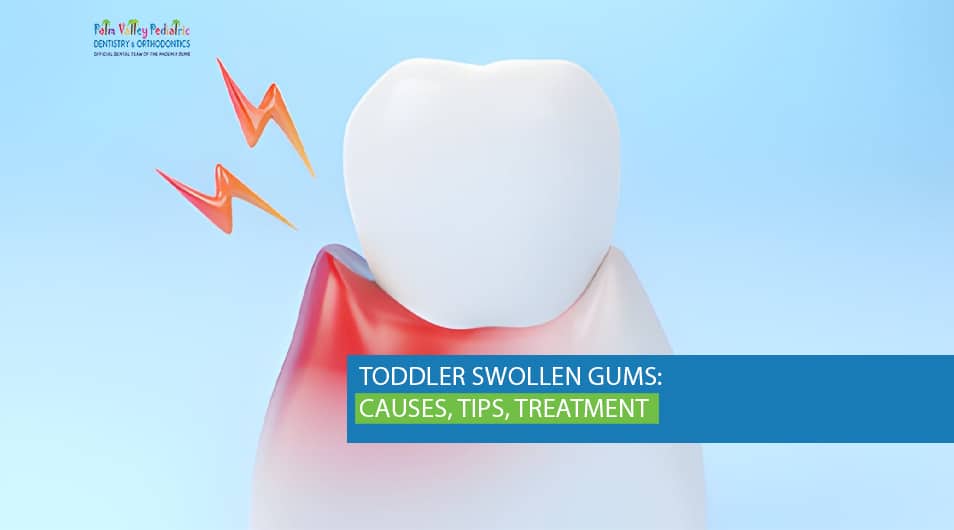
Swollen gums can make a toddler fussy, uncomfortable, and less interested in eating. Teething is one common reason for swollen and tender gums, but an injury, food stuck around a tooth, or a dental problem can also cause swelling.
If your child is teething, you can usually help them feel better with simple care at home. But swelling that lasts, gets worse, or comes with fever, pus, facial swelling, or severe pain needs a dental check.
At Palm Valley Pediatric Dentistry & Orthodontics (PVPD), our pediatric dentists care for infants, toddlers, children, and teens.
If your child’s gums look swollen or you are not sure what is causing the problem, book an appointment with our pediatric dental team. We will check your child’s mouth and help you find the best care.

Is Your Child’s Smile on the Right Track?
Early dental visits aren’t just about cleaning teeth, they’re about catching problems before they become costly and painful. Our pediatric specialists create personalized care plans that grow with your child, from their very first tooth through their teen years.
Gentle, kid-friendly care in a welcoming environment.
What are the Causes of Swollen Gums in Toddlers?
Before treating swollen gums, it helps to know what may be causing them.
Teething
Teething can make the gums around a new tooth look red, swollen, and tender. Your toddler may also drool more, chew on things, or rub their gums.
Food or Plaque Around the Teeth
Food and plaque can collect around the teeth and irritate the gums. Good brushing can help keep the gums clean and reduce irritation.
Gum Infection
Swelling can sometimes point to a dental infection. You may also notice redness, pain, bad breath, pus, or swelling around one tooth.
Mouth Injury
A fall, bump, or bite can hurt the gums and cause temporary swelling. If the swelling does not improve or the tooth looks damaged, have your child seen by a dentist.
Tooth Decay
A cavity can sometimes cause pain and swelling around a tooth, especially when the decay reaches deeper parts of the tooth. A pediatric dentist can check the tooth and find the cause.

7 Safe Ways to Soothe Swollen Gums
The best way to help your toddler depends on the cause of the swelling. If teething is the reason, these simple steps can help ease sore gums.
1. Gently Massage the Gums
Wash your hands well and use a clean finger to gently rub your child’s sore gums.
Gentle pressure can give your child some relief and may make sore gums feel more comfortable. You do not need to press hard.
2. Give Your Child a Chilled Teething Ring
A firm teething ring that has been cooled in the refrigerator can help soothe sore gums.
The cool surface can feel good against swollen gums while your child chews on it. Do not freeze the teething ring, because very hard or frozen items can hurt the gums.
3. Use a Clean, Cool Washcloth
A clean, damp washcloth can give your toddler something safe to chew on during teething.
You can cool the washcloth in the refrigerator before giving it to your child. Always watch your toddler while they chew on it.
4. Keep Brushing the Teeth
Do not stop brushing just because your child’s gums are sore.
Use a soft, small toothbrush and brush gently twice a day. Keeping the teeth clean helps remove plaque and food that can irritate the gums.
5. Give them Soft Foods
Sore gums can make chewing harder for some toddlers.
Offer foods that are soft and easy to eat. Let your child choose foods that feel comfortable while the gums are sore, and make sure foods are prepared in a way that reduces choking risk.
6. Ask Your Child’s Doctor About Pain Medicine
If your toddler is very uncomfortable, ask your pediatrician about the right pain medicine and dose for your child’s age and weight.
Do not give your child aspirin unless a doctor specifically tells you to. Never put aspirin directly on the gums or teeth.
7. See a Pediatric Dentist When Needed
Teething usually causes mild, short-term discomfort. Swelling that does not improve, keeps getting worse, or affects one area of the mouth may have another cause.
A pediatric dentist can check your child’s teeth and gums and look for cavities, infection, injury, or another dental problem.
Give Your Child the Gift of a Healthy Smile
PVPD doesn’t just treat teeth; we build lasting relationships with families. More confident kids. More comfortable appointments. More reasons to smile. Our patients leave happier and healthier, visit after visit.
Serving families across Scottsdale, because every child deserves a great smile.
What Not to Use for Toddler Gum Pain?
Some products marketed for teething may seem helpful but can be unsafe for young children.
Avoid Benzocaine Teething Gels
Do not use teething products that contain benzocaine unless a medical professional specifically tells you to use them.
Benzocaine products can cause a serious condition that reduces the amount of oxygen carried in the blood. The FDA does not recommend benzocaine products for teething pain in infants and young children.
Avoid Lidocaine for Teething
Do not use prescription lidocaine products to treat your toddler’s teething pain unless your child’s doctor specifically prescribes them for another reason.
Lidocaine can cause serious harm if used incorrectly in young children.
Avoid Teething Necklaces
Do not put teething necklaces or other teething jewelry on your child.
These products can create choking or strangulation risks and do not provide a safe way to treat swollen gums.

When Are Swollen Gums a Sign of a Dental Problem?
Teething can make your toddler’s gums a little sore or swollen. But swelling that lasts or comes with other symptoms may point to a dental problem that needs treatment.
Contact your child’s pediatric dentist if you notice:
- Swelling that does not go away or keeps getting worse
- A swollen area around one particular tooth
- A small bump, blister, or pus on the gums
- Tooth pain that continues or seems severe
- Pain that makes it hard for your child to eat or chew
- A tooth that looks broken, loose, or damaged after a fall or other injury
- Swelling that spreads to the cheek, face, or jaw
- A fever along with swollen or painful gums
Get urgent medical help if your child has facial swelling or has trouble breathing or swallowing. These symptoms can signal a serious infection that needs quick care.
How Can You Prevent Swollen Gums?
You cannot prevent normal teething swelling, but you can help keep your toddler’s gums and teeth healthy.
Brush your child’s teeth twice a day with a soft toothbrush and fluoride toothpaste. Help your child brush because toddlers cannot clean every part of their teeth well on their own.
Limit frequent sugary snacks and drinks, and give your child water between meals when appropriate.
Regular dental visits also help your pediatric dentist find tooth cavities, gum problems, and other concerns early. And yes, take your child to a pediatric dentist by their first birthday.
Make a dental appointment if you notice:
- Swollen gums that do not improve
- Bleeding gums that happen often
- A swollen area around one tooth
- Pus or a bump on the gums
- Tooth pain
- A broken or injured tooth
- Bad breath that does not go away
- Trouble eating or chewing
- Swelling in the face or jaw
Early dental care helps your child’s dentist find problems before they become more serious.
PVPD Helps Children With Swollen Gums!
At Palm Valley Pediatric Dentistry & Orthodontics (PVPD), our pediatric dentists check children’s teeth and gums in a calm, child-friendly setting.
We can look for signs of teething, cavities, gum irritation, infection, or dental injury and explain what your child needs. If your toddler has swollen gums or seems uncomfortable, book an appointment with PVPD so our pediatric dental team can check their smile.
People Also Ask
Is swollen gum normal when toddlers are teething?
Yes. A new tooth can make the gum around it look swollen, red, or tender. Your child may also drool more or want to chew on things.
How long do swollen gums last during teething?
Teething discomfort is usually short-lived. If swelling continues for several days, becomes worse, or affects one area of the mouth, have your child checked by a pediatric dentist.
What can I rub on my toddler’s swollen gums?
You can gently massage the gums with a clean finger. A chilled, firm teething ring can also help soothe sore gums.
Can swollen gums mean a cavity?
Yes. A cavity can sometimes cause swelling or pain around a tooth, especially when the decay becomes deeper. A pediatric dentist can check the tooth and find the cause.
Can I use Orajel for my toddler’s swollen gums?
Do not use benzocaine-containing teething gels for young children. The FDA warns that benzocaine can cause a serious and potentially life-threatening blood condition in children.
Should I brush my toddler’s teeth when the gums are swollen?
Yes. Keep brushing twice a day, but use gentle movements around sore areas. Stopping brushing can allow plaque to build up and make gum irritation worse.
Can teething cause a fever?
Teething may cause a slight rise in body temperature, but a true fever is not considered a normal sign of teething. If your child has a fever or seems sick, contact their pediatrician.
When should I worry about my toddler’s swollen gums?
Contact a pediatric dentist if the swelling lasts, gets worse, causes severe pain, produces pus, or appears around one tooth. Facial swelling or trouble breathing or swallowing needs urgent medical care.
Pediatric Dental Specialist at PVPD

Dr. Olga
Dr. Olga brings years of specialized pediatric dental expertise and a genuine passion for children’s oral health to the PVPD team. She specializes in creating anxiety-free dental experiences and early-intervention care strategies that set children up for a lifetime of healthy smiles.
Medically reviewed by Dr. Olga Dolghier, DDS, Pediatric Dentist at Palm Valley Pediatric Dentistry & Orthodontics.