7 Ways to Prevent Cavities in Baby Teeth Naturally
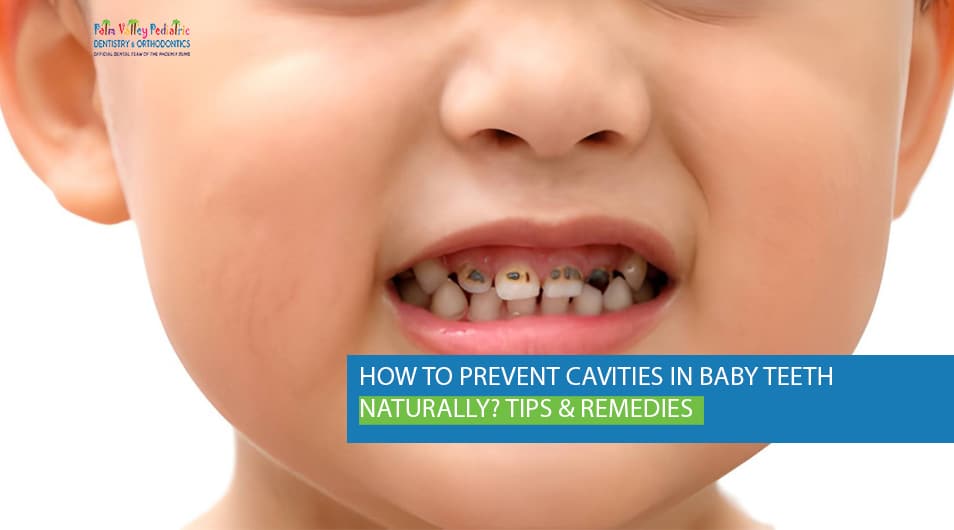
Cavities are one of the most common dental problems in children. About 11% of children ages 2 to 5 have at least one untreated cavity in their baby teeth.
Many parents look for natural ways to prevent cavities and keep their child’s baby teeth healthy. Good food choices, daily brushing, less sugar, and regular dental visits can help prevent tooth decay.
However, home care cannot remove a cavity once a hole has formed in the tooth. If your child already has a cavity, a pediatric dentist should check it and recommend the right treatment.
At Palm Valley Pediatric Dentistry & Orthodontics (PVPD), our Pediatric Dentists help families prevent cavities and protect children’s teeth from the first tooth onward.
We provide age-appropriate dental exams, cleanings, fluoride care, and treatment for children’s dental problems.
Read: Expert Tips For Preventing Cavities And Healthy Teeth

Is Your Child’s Smile on the Right Track?
Early dental visits aren’t just about cleaning teeth, they’re about catching problems before they become costly and painful. Our pediatric specialists create personalized care plans that grow with your child, from their very first tooth through their teen years.
Gentle, kid-friendly care in a welcoming environment.
Why Do Babies Get Cavities?
Baby teeth can develop cavities just like permanent teeth. Several factors can increase a child’s risk of tooth decay.
1. Frequent Sugary Foods and Drinks
Sugar is one of the main factors that contribute to tooth decay. Mouth bacteria use sugars to produce acids that can weaken tooth enamel.
Frequent exposure to sugary snacks and drinks gives these acids more chances to damage the teeth.
2. Poor Oral Hygiene
Plaque forms on teeth every day. If your child does not brush properly, plaque can stay on the teeth and contribute to tooth decay.
Parents should help young children brush their teeth because children cannot clean every tooth surface well on their own.
We recommend brushing twice a day with fluoride toothpaste.
3. Frequent Bottle or Feeding Exposure
Frequent exposure to milk, formula, juice, or other drinks can increase the risk of early childhood caries, especially when sugary drinks stay around the teeth for long periods.
Avoid putting your baby to bed with a bottle containing anything other than water.
Your pediatric dentist can also give you feeding and oral-care advice based on your child’s age and cavity risk.
4. Not Enough Fluoride
Fluoride helps strengthen tooth enamel and supports remineralization during the early stages of tooth decay.
Children who do not receive enough fluoride may have a higher risk of cavities.
Using fluoride toothpaste in the correct amount helps protect children’s teeth. Your pediatric dentist can also tell you whether your child needs additional fluoride care.
5. Frequent Snacking
Children who eat or drink sugary foods throughout the day expose their teeth to repeated acid attacks. Limiting frequent sugary snacks and drinks can help reduce this exposure.
Offer healthy meals and snacks and choose water between meals whenever possible.
7 Ways to Prevent and Manage Cavities at Home
Home care plays an important role in protecting your child’s teeth. These habits can help prevent tooth decay and support healthy enamel, but they cannot remove an established cavity.
1. Give Your Child a Healthy, Balanced Diet
A healthy diet gives your child the nutrients they need for healthy teeth and overall growth.
Calcium and phosphorus help form and maintain tooth structure, while vitamin D helps the body absorb calcium and phosphorus.
Offer foods such as dairy products, eggs, fish, vegetables, fruits, and other nutrient-rich foods as part of a balanced diet.
Good nutrition supports healthy teeth, but diet alone cannot cure an existing cavity.
2. Brush With Fluoride Toothpaste
Brushing with fluoride toothpaste is one of the most important ways to prevent cavities. Fluoride strengthens enamel and can help repair early areas of mineral loss before a cavity forms.
As soon as the first tooth appears, brush your child’s teeth twice a day with a small amount of fluoride toothpaste.
CDC suggests that for children under 3, use a rice-grain-sized smear. Parents should help young children brush their teeth.
3. Limit Sugary Foods and Drinks
You do not need to remove every sweet food from your child’s diet, but you should limit how often your child has sugary foods and drinks.
Sugar gives cavity-causing bacteria the fuel they need to produce acids that attack tooth enamel.
Offer sugary foods less often and avoid frequent sipping of sweet drinks throughout the day.
4. Clean Your Baby’s Teeth and Gums Every Day
Start oral care before your baby’s first tooth appears. Gently wipe the gums with a clean, soft cloth.
Once the first tooth appears, switch to a soft, child-sized toothbrush and fluoride toothpaste.
Daily brushing removes plaque and helps protect the teeth from early childhood cavities.
5. Avoid Bedtime Bottles With Milk or Juice
Putting your baby to bed with a bottle of milk, formula, juice, or another sugary drink can expose the teeth to sugars for a long time.
This can increase the risk of early childhood tooth decay. If your baby needs a bottle at bedtime, ask your pediatrician or pediatric dentist about healthy feeding and oral-care habits.
6. Offer Water Between Meals
Water can help keep your child’s mouth hydrated without adding sugar to the teeth. It also makes a better everyday drink than sugary beverages.
Try offering water between meals and limiting juice and other sweet drinks. Reducing frequent sugar exposure can lower your child’s risk of tooth decay.
7. Visit a Pediatric Dentist Early
Home care works best when you combine it with regular dental visits. A pediatric dentist can check your child’s teeth for early signs of decay and help you improve brushing, diet, fluoride use, and other habits.
Parents should establish dental care for children within six months of the first tooth appearing and no later than 12 months of age.
Give Your Child the Gift of a Healthy Smile
PVPD doesn’t just treat teeth; we build lasting relationships with families. More confident kids. More comfortable appointments. More reasons to smile. Our patients leave happier and healthier, visit after visit.
Serving families across Scottsdale, because every child deserves a great smile.
7- Avoid Phytic Acid
PhytiCan You Treat a Baby Tooth Cavity Naturally?
Parents cannot naturally remove an established tooth cavity at home.
If decay has created a hole in the tooth, brushing, diet changes, oil pulling, or other home remedies cannot fill or repair that hole.
Early enamel damage may respond to fluoride and improved oral care, but a dentist needs to determine whether the decay has reached that stage.
Do not wait for your child to develop tooth pain before seeking dental care. Cavities can develop without obvious symptoms, especially during the early stages.
What About Oil Pulling for Baby Teeth?
Oil pulling involves swishing oil around the mouth.
Some studies have looked at oil pulling and oral bacteria, but there is not enough evidence to recommend it as a treatment for cavities in children.
More importantly, young children may swallow the oil or have difficulty swishing and spitting safely.
Oil pulling should not replace brushing with fluoride toothpaste or professional dental care.
For babies and young children, stick with simple, evidence-based oral care.
Can Sugar-Free Gum Prevent Cavities?
Sugar-free gum can increase saliva flow and may help reduce cavity risk in older children when used as part of a regular oral-care routine. The ADA notes that sugar-free gum may help prevent cavities when chewed after eating.
However, chewing gum is not appropriate for babies and very young children because of choking concerns.
Sugar-free gum for children 5 years and older is an additional measure, not as a replacement for brushing with fluoride toothpaste.
Should You Give Your Child Licorice Root for Cavities?
No. Parents should not use licorice root as a home treatment for a child’s cavity.
Although laboratory and small clinical studies have examined licorice and oral bacteria, this does not mean licorice can remove or cure a cavity. Established tooth decay requires an evaluation by a dental professional.
For children, use proven cavity-prevention methods such as fluoride toothpaste, good brushing, a healthy diet, and regular dental visits.
Does Avoiding Phytic Acid Prevent Cavities?
There is not enough evidence to recommend avoiding foods such as beans, grains, or other foods containing phytic acid as a treatment for cavities.
These foods can provide important nutrients and can form part of a healthy diet.
Instead of removing whole food groups, focus on balanced nutrition, regular brushing with fluoride toothpaste, and limiting frequent sugar exposure.
When Should You Take Your Child to a Dentist?
Take your child to a pediatric dentist if you notice:
- White, brown, or dark spots on the teeth
- A visible hole in a tooth
- Tooth sensitivity
- Tooth pain
- Swollen gums
- Trouble eating
- Bad breath that does not go away
- A chipped or damaged tooth
Do not wait for pain before scheduling a dental visit. Early dental care can help dentists find tooth decay before it becomes more serious.
How Does a Pediatric Dentist Treat Cavities?
The treatment depends on how much tooth decay your child has.
Your pediatric dentist may recommend fluoride treatment for early enamel changes. If a cavity has formed, your child may need a filling or another treatment to stop the decay.
More advanced decay may require additional treatment. Your pediatric dentist will examine the tooth and explain the safest option based on your child’s age, dental development, and oral health.
Give Your Child a Healthy Start at PVPD
At Palm Valley Pediatric Dentistry & Orthodontics (PVPD), our pediatric dentists help families prevent cavities and build healthy oral habits from infancy through childhood.
We provide gentle dental exams, professional cleanings, fluoride care, preventive treatment, and age-appropriate guidance for growing smiles.
Set up your child’s dental visit with our pediatric dental team and take the first step toward healthier teeth.
If you notice a spot, hole, pain, or other change in your child’s tooth, book an appointment with our pediatric dentists. Early care can help protect your child’s baby teeth and support a healthy smile.
People Also Ask
Can cavities in baby teeth heal naturally?
Early enamel damage can sometimes stop or reverse with fluoride and good oral care. Once a cavity creates a hole in the tooth, however, home remedies cannot repair it.
What is the best natural way to prevent cavities in babies?
Brush your baby’s teeth twice a day with fluoride toothpaste, limit frequent sugar exposure, avoid bedtime bottles with milk or juice, and schedule regular pediatric dental visits.
Can I treat my baby’s cavity at home?
No. You can protect your baby’s teeth at home, but you cannot remove or fill an established cavity. A pediatric dentist should examine any tooth that shows signs of decay.
Does fluoride toothpaste help baby teeth?
Yes. Fluoride toothpaste helps strengthen enamel and prevent tooth decay. Use a rice-grain-sized smear for children under 3 and brush twice a day.
Can sugar cause cavities in baby teeth?
Yes. Sugar can feed bacteria that produce acids and weaken tooth enamel. Limiting the amount and frequency of sugary foods and drinks can reduce cavity risk.
Can a pediatric dentist treat cavities in baby teeth?
Yes. A pediatric dentist can examine your child’s teeth and recommend treatment based on the stage of tooth decay. Treatment may include fluoride care, a filling, or other dental treatment when necessary.
Regular visits to the dentist are mandatory to detect cavities at an early stage. Call today at (623) 535-7873 to book an appointment, or visit our website for further details!
Pediatric Dental Specialist at PVPD

Dr. Olga
Dr. Olga brings years of specialized pediatric dental expertise and a genuine passion for children’s oral health to the PVPD team. She specializes in creating anxiety-free dental experiences and early-intervention care strategies that set children up for a lifetime of healthy smiles.
Medically reviewed by Dr. Olga Dolghier, DDS, Pediatric Dentist at Palm Valley Pediatric Dentistry & Orthodontics.