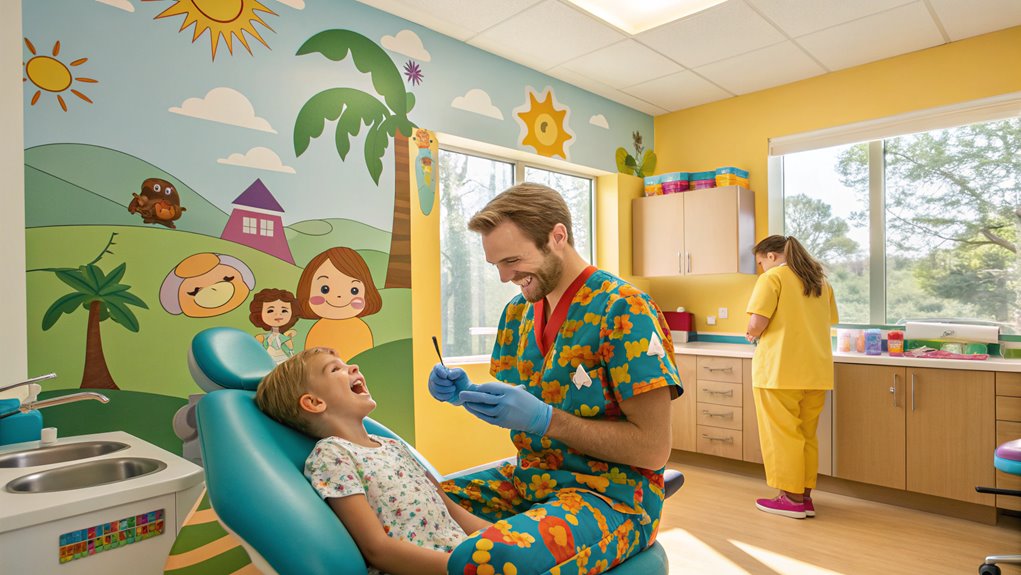
How Do Chandler Pediatric Dentists Make Orthodontic Evaluations Comfortable for Young Kids?
Quick Take: Chandler pediatric dentists expertly ease young patients’ orthodontic evaluations by combining comforting environments, child-centered communication, and gentle technology to reduce anxiety and foster trust.
Orthodontic assessments can often feel intimidating for children, creating a need for pediatric dentists to design experiences that are both reassuring and engaging. Many young patients associate dental visits with discomfort or fear, which can hinder accurate evaluations and cooperation.
Recognizing this challenge, Chandler pediatric dentists focus on transforming clinical settings into welcoming spaces that speak directly to children’s senses and emotions, helping to alleviate apprehension before the exam even begins.
To accomplish this, these specialists carefully blend themed decor and interactive elements with calming sensory cues that naturally lower anxiety levels. They speak using age-appropriate language and employ visual aids such as mirrors and digital images to make explanations accessible and clear.
Additionally, the use of smooth, child-sized instruments and digital intraoral scanners minimizes physical discomfort and the messiness often linked to traditional impressions. Combined with staff trained in behavioral techniques that use distraction and positive reinforcement, these approaches not only make orthodontic evaluations more comfortable but also build lasting confidence in young patients, ensuring a positive foundation for ongoing dental care.
Key Takeaways
- Child-friendly decor featuring engaging themes, toys, and calming sensory elements helps create a welcoming environment that reduces anxiety.
- Using age-appropriate language, visual aids, and straightforward explanations enables children to understand procedures and feel more comfortable.
- Digital intraoral scanners offer a cleaner, more accurate alternative to traditional impressions, improving comfort during evaluations.
- Small, ergonomic instruments designed specifically for pediatric mouths minimize discomfort during gentle, non-invasive assessments.
- Employing distraction techniques, positive reinforcement, and staff trained in behavioral management fosters trust and encourages cooperation.
Creating a Welcoming Environment That Puts Children at Ease
Quick Take: Creating a pediatric dental environment that reduces anxiety and fosters engagement is essential for improving children’s comfort and cooperation during treatment. Integrating thematic decor, interactive elements, and sensory design cultivates a welcoming space where young patients feel secure and distracted from stress.
As a result, pediatric dental offices that incorporate immersive themes like jungle or underwater settings significantly enhance children’s emotional responses. Over time, these visual and interactive stimuli not only alleviate initial fears but also promote positive dental experiences, encouraging ongoing oral health care. More importantly, thoughtful environmental design aligns with child psychology principles, supporting relaxation and attentiveness during appointments.
In practice, combining playful aesthetics with sensory modulation creates a holistic atmosphere that addresses varied developmental needs. That’s why Chandler pediatric dentists prioritize elements such as bright color palettes, engaging wall art, and calming sensory cues to optimize patient comfort. These strategies contribute to reduced behavioral challenges and smoother orthodontic evaluations. Additionally, a child-centered dental environment is crucial in establishing trust and comfort for young patients.
Key design components that foster a calming and engaging pediatric dental space include:
• Thematic visual environments featuring murals, ceiling mobiles, and playful imagery that capture children’s imagination and reduce anxiety
• Interactive installations such as chalkboards, magnetic walls, and wall-mounted toys that encourage active distraction and cognitive engagement
• Dedicated play corners stocked with age-appropriate books and games transforming waiting areas into welcoming, stress-free zones
• Sensory elements including blue-toned walls with cartoon motifs proven to appeal to children aged 6-10, soothing background music, and adjustable lighting that create warmth and security
• Neutral base colors like beige and ivory that balance bright accents, preventing sensory overload while maintaining a cheerful atmosphere
Over time, these multifaceted design approaches help pediatric dental practices build trust and rapport with young patients, facilitating more effective treatment outcomes. More importantly, parents appreciate environments that prioritize their children’s emotional well-being alongside clinical care. Embracing these evidence-based environmental enhancements empowers dental teams to create spaces that are not only functional but inherently comforting, setting the stage for lifelong positive dental experiences.
Using Child-Friendly Language to Explain Orthodontic Procedures
Quick Take: Clear, child-friendly communication is essential in orthodontics to reduce anxiety and enhance cooperation by using relatable language, visual aids, and interactive explanations tailored to young patients’ understanding.
As a result of recognizing the anxiety that technical orthodontic terms can cause, pediatric dentists in Chandler prioritize adapting their communication style to suit each child’s cognitive level. This approach not only demystifies complex dental procedures but also fosters a trusting environment where children feel safe and engaged. Over time, incorporating age-appropriate language and practical demonstrations helps build a positive orthodontic experience that encourages openness and reduces fear.
More importantly, effective communication bridges the gap between clinical procedures and a child’s perspective by using familiar analogies and interactive dialogue. In practice, this means transforming intimidating orthodontic processes into understandable concepts, empowering young patients to take an active role in their dental care journey. As children better grasp what is happening, their cooperation improves, facilitating smoother appointments and ultimately better treatment outcomes.
Additionally, early intervention is emphasized to create a solid foundation for healthy, confident smiles, making it crucial for pediatric dentists to explain the importance of timely evaluations.
Child-friendly communication strategies include:
• Visual language demonstrations: Using mirrors, dental models, and digital images to concretely show dental conditions and treatment steps, making abstract concepts accessible.
• Age-appropriate terminology replacements: Simplifying complex jargon into relatable terms such as calling “spacers” tiny helpers, or X-rays special pictures, to ease comprehension and reduce fear.
• Interactive explanations: Encouraging children to ask questions and employing analogies like organizing toys or building blocks to explain teeth alignment in a familiar context.
• Empathy-driven dialogue: Tailoring conversations to a child’s emotional needs, which increases comfort and trust during evaluations and treatment.
• Positive reinforcement techniques: Using praise and encouragement to motivate children’s cooperation and resilience throughout orthodontic care.
That’s why adopting a thoughtful, child-centric communication framework is vital for successful pediatric orthodontics. More importantly, when children understand their treatment, they gain confidence and feel empowered, transforming dental visits into positive, educational experiences. Moving forward, integrating these strategies ensures young patients are not just passive recipients but active participants in their orthodontic health journey.
Gentle Examination Techniques Designed for Young Patients
Key Insight: Pediatric orthodontic exams prioritize gentle, child-centric methods that reduce anxiety and ensure comprehensive, comfortable assessments, fostering positive dental experiences from an early age.
In pediatric dentistry, ensuring young patients’ comfort during orthodontic evaluations is paramount to building trust and encouraging lifelong oral health habits. As a result, dental professionals employ specialized, minimally invasive techniques that focus on a child’s psychological and physical ease throughout the examination process. These approaches include careful visual inspections and the use of ergonomically designed tools tailored to smaller mouths, which help reduce sensory discomfort and fear.
More importantly, pediatric dentists integrate communication strategies that explain each step clearly, using slow, deliberate motions to prevent startling children and to create a calm environment. In practice, this child-friendly approach extends to adopting advanced, non-invasive technologies like digital scanning, which captures precise orthodontic data without the discomfort associated with traditional impression materials. Over time, these innovations enhance diagnostic accuracy while maintaining a nurturing clinical atmosphere. Additionally, pediatric specialists are trained in managing dental anxiety, which further contributes to creating a comforting experience for young patients.
Pediatric orthodontic examination techniques emphasize a comprehensive, gentle approach, including:
• Utilization of small, smooth dental instruments tailored for pediatric oral anatomy to minimize physical discomfort
• Conducting thorough visual assessments to evaluate tooth alignment and occlusion without invasive probing
• Applying light tactile examination methods that gently assess jaw growth and gum health, reducing stress
• Employing clear, age-appropriate communication to prepare the child for each procedural step and reduce anxiety
• Incorporation of digital intraoral scanners that eliminate the need for messy impressions, enhancing patient comfort and data precision
• Creating a soothing clinical environment with trained staff skilled in pediatric behavioral management techniques
Ultimately, prioritizing gentle examination methods in pediatric orthodontics transforms what could be an intimidating experience into a positive, confidence-building encounter. That’s why adopting these patient-centric strategies is essential for nurturing trust and cooperation, which are critical for successful long-term orthodontic care. By integrating advanced, minimally invasive techniques alongside empathetic communication, pediatric dentists empower young patients and their families to actively engage in their oral health journey.
Sedation and Anxiety Management Options Available for Kids
Key Insight: Managing dental anxiety in children combines behavioral techniques with tailored sedation options to ensure comfort and safety, enhancing the overall orthodontic experience. Pediatric dentists carefully assess each child’s needs to apply the most effective strategies that promote relaxation and cooperation during treatment.
In practice, behavioral distraction remains the foundational approach, utilizing methods such as guided imagery and positive reinforcement to ease apprehension. More importantly, when anxiety persists beyond these techniques, evidence-based pharmacological sedation protocols offer safe, controlled relief. Over time, advances in pediatric sedation have refined options that balance efficacy with minimal side effects, fostering trust and compliance among young patients and their families.
Effective sedation and anxiety management options include:
• Nitrous oxide (laughing gas): An inhaled sedative that maintains consciousness while inducing relaxation, supported by clinical studies demonstrating over 90% success in calming pediatric patients.
• Oral midazolam: Endorsed by the European Association of Pediatric Dentistry, this benzodiazepine provides anxiolytic and sedative effects through easy oral administration, optimizing patient comfort and procedural cooperation.
• Deeper sedation agents: In complex or highly anxious cases, medications such as propofol or ketamine are administered under rigorous monitoring protocols to ensure safety and rapid recovery.
• Behavioral interventions: Techniques like distraction, desensitization, and cognitive-behavioral therapy complement sedation by addressing underlying anxiety triggers and enhancing long-term coping skills.
• Individualized sedation planning: Comprehensive preoperative assessments guide personalized sedation regimens, ensuring the child’s medical history, anxiety level, and treatment complexity are factored into decision-making.
As a result, integrating behavioral and pharmacological strategies creates a holistic anxiety management framework that prioritizes patient-centered care. That’s why selecting the right approach requires expert evaluation and continuous monitoring to uphold safety and effectiveness. More importantly, empowering children through compassionate sedation not only alleviates fear but also fosters positive dental experiences that encourage lifelong oral health maintenance.
Building Trust Through Positive Reinforcement and Patient Communication
Quick Take: Building trust with pediatric orthodontic patients hinges on empathetic communication and positive reinforcement, transforming anxiety into confidence and cooperation.
Establishing genuine rapport between young patients and dental professionals is fundamental to effective pediatric orthodontic care. As a result, skilled dentists use developmentally appropriate language and behavioral techniques that demystify procedures and foster a welcoming environment. More importantly, these approaches reduce fear and promote long-term oral health compliance by making visits informative and reassuring.
In practice, patient-centered communication strategies like the tell-show-do method empower children through clear explanations and hands-on demonstrations. Over time, consistent praise and encouragement reinforce positive behavior, while inviting questions ensures patients feel valued and understood. This holistic approach not only eases procedural anxiety but also builds enduring trust essential for successful treatment outcomes.
Effective communication and behavioral management strategies include:
• Utilizing age-appropriate terminology that simplifies complex dental concepts
• Applying the tell-show-do technique to prepare and engage patients step-by-step
• Integrating positive reinforcement and verbal praise to motivate cooperation
• Encouraging open dialogue that validates patient concerns and curiosity
• Tailoring interactions to individual child temperament and developmental stage
Ultimately, fostering a supportive and transparent dental experience transforms pediatric orthodontic visits into opportunities for empowerment rather than stress. That’s why prioritizing trust-building through compassionate communication and targeted positive reinforcement is critical. By embracing these principles, dental teams can enhance patient satisfaction and encourage lifelong proactive oral care habits.
In Summary
At Palm Valley Pediatric Dentistry & Orthodontics, creating a welcoming environment helps children feel safe and comfortable during orthodontic evaluations. The team focuses on building trust with young patients through clear communication and gentle dental techniques. They understand that a positive first experience is crucial for encouraging children to embrace dental care. This approach helps reduce fear and fosters a sense of security from the very beginning.
To further ease anxiety, Palm Valley Pediatric Dentistry & Orthodontics offers effective management options tailored to each child’s needs. Their compassionate professionals combine expertise with kindness to ensure every child feels supported throughout their visit. This thoughtful care helps transform potentially stressful evaluations into positive experiences. As a result, children become more confident and relaxed during future dental appointments.
Early positive experiences at Palm Valley Pediatric Dentistry & Orthodontics play a vital role in shaping lifelong oral health habits. By providing comfortable, trust-building care, the team helps children develop a healthy attitude toward dental visits. Each child leaves feeling assured and well cared for, which paves the way for easier future visits. This commitment to compassionate, expert care makes Palm Valley Pediatric Dentistry & Orthodontics a trusted choice in Scottsdale, East Mesa, Chandler, and surrounding areas.