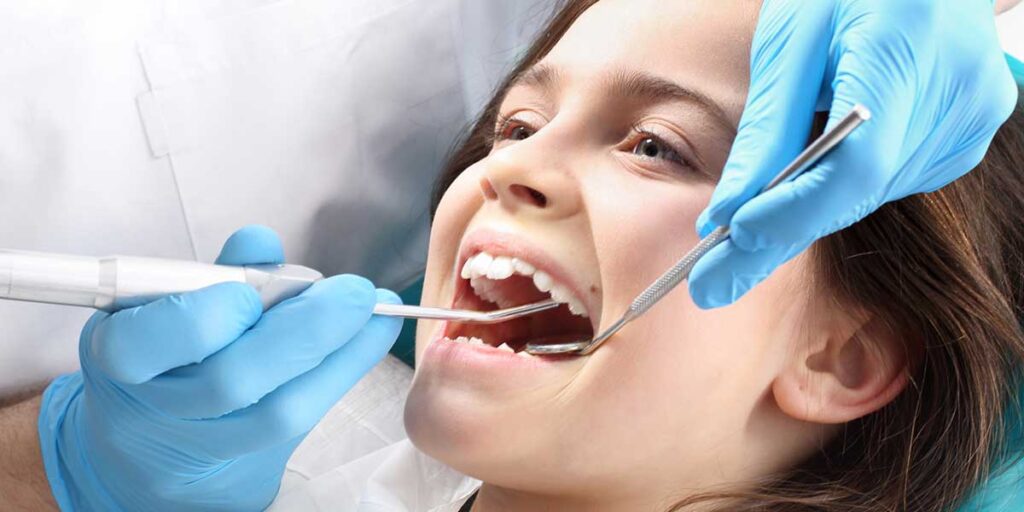
Wisdom Teeth Surgery: IV Sedation vs General Anesthesia
In medical or dental procedures, IV sedation is generally safer and more commonly used than general anesthesia, especially for less invasive treatments.
But every case is different. Whether you’re getting your wisdom teeth out, undergoing plastic surgery, or taking your child for a dental visit, choosing between IV sedation and general anesthesia depends on your health, the complexity of the procedure, and your comfort level.
What is IV Sedation?
IV sedation (intravenous sedation) is a type of conscious sedation where medicine is given through a vein. It helps you feel relaxed, calm, and sleepy during a procedure. However, you are often still conscious and able to react.
- Many people like that you might not recall much of the process afterwards.
- It works quickly and wears off faster than general anesthesia.
- You still breathe on your own and don’t need a breathing tube.

Is Your Child’s Smile on the Right Track?
Early dental visits aren’t just about cleaning teeth, they’re about catching problems before they become costly and painful. Our pediatric specialists create personalized care plans that grow with your child, from their very first tooth through their teen years.
Gentle, kid-friendly care in a welcoming environment.
What is General Anesthesia?
A more profound type of sedation is general anesthesia. It induces a state of complete unconsciousness that is comparable to a very deep slumber.
- Throughout the process, you won’t experience or recall anything.
- A breathing tube is used because you can’t breathe on your own.
- It’s commonly used in complex surgeries like major plastic surgery or long, invasive procedures.
IV Sedation vs General Anesthesia for Wisdom Teeth
For wisdom teeth removal, both sedation types are used, but IV sedation is the more common and safer choice for most patients.
- IV sedation is ideal for simple to moderately complex extractions.
- If all four wisdom teeth require surgical extraction due to impacted teeth, general anesthesia may be performed.
If you are having just one or two wisdom teeth pulled, IV sedation is usually enough. But for a full set of impacted wisdom teeth with bone removal, your oral surgeon may recommend general anesthesia.
IV Sedation vs General Anesthesia for Plastic Surgery
Plastic surgeries can vary a lot. The choice of sedation depends on how long and complex the surgery is.
- Minor cosmetic procedures like fillers or eyelid surgery may use IV sedation.
- Larger surgeries like tummy tucks or full face-lifts usually need general anesthesia.
Surgeons often prefer general anesthesia for better control and deeper sedation during long operations. However, many modern clinics now offer “twilight sedation” (a form of IV sedation) even for certain plastic surgeries, especially when safety and recovery time are priorities.
IV Sedation vs General Anesthesia Cost
IV sedation is typically less costly than general anesthesia.
- IV sedation can range from $250 to $900 per hour, depending on the provider and procedure.
- General anesthesia often costs $1,000 or more because it requires an anesthesiologist, monitoring equipment, and a longer recovery time.
Many dental plans cover IV sedation for procedures like wisdom teeth removal, but general anesthesia may only be covered in medical necessity cases.
IV Sedation vs General Anesthesia in Dentistry
Most dental procedures today, like root canals, implants, or extractions, can be done safely with IV sedation.
- It reduces anxiety and pain without the full risks of general anesthesia.
- Only extremely rare or complex dental procedures require general anesthesia.
Some people, especially those with severe dental phobia, may request general anesthesia. But dentists usually recommend IV sedation as a safer and more efficient option.
Is IV Sedation Safer Than General Anesthesia?
Yes, IV sedation is generally considered safer, especially for healthy patients undergoing short or moderate procedures.
- It doesn’t affect your breathing as much.
- Recovery time is quicker.
- There’s less risk of complications.
According to the American Dental Association and other medical bodies, IV sedation has a very low risk profile when administered by trained professionals.
IV Sedation and General Anesthesia for Kids
For children, the decision is more delicate. Dentists and pediatric surgeons often choose general anesthesia if the child is very young or unable to stay still.
- IV sedation is used for older children who can follow simple instructions.
- General anesthesia ensures the child feels no pain and has no memory of the event.
Parents should always talk to their child’s dentist or doctor about all of the dangers and options. Both sedation types are safe when handled by experienced professionals, but the age and behavior of the child play a big role in the choice.
Give Your Child the Gift of a Healthy Smile
PVPD doesn’t just treat teeth; we build lasting relationships with families. More confident kids. More comfortable appointments. More reasons to smile. Our patients leave happier and healthier, visit after visit.
Serving families across Scottsdale, because every child deserves a great smile.
Final Thoughts: Which One Should You Choose?
Choose IV sedation if your procedure is minor to moderate and you want fast recovery, less risk, and a more affordable option.
Choose general anesthesia if the surgery is long, complex, or if you’re unable to tolerate being conscious at all.
Always talk to your doctor, dentist, or oral surgeon to get a recommendation based on your health, anxiety levels, and the procedure itself.
Book a consultation with the experienced team at PVPD about sedation dentistry services to discuss your options safely and comfortably.
People Also Ask
Which is safer, IV sedation or general anesthesia?
IV sedation is generally safer, especially for less invasive treatments like dental procedures. It reduces the chance of major issues while preserving your natural breathing and allowing you to remain alert. General anesthesia, while safe in controlled environments, carries more risks due to complete unconsciousness and the need for breathing support.
Are you awake during IV sedation?
Yes, you are awake but in a deeply relaxed and dream-like state. Even while you might react to verbal cues, you probably won’t recall much of it later. It seems less like being completely awake and more like taking a quiet snooze.
Is it possible to experience pain while under IV sedation?
No, there is no pain because the area being treated is numbed by a local anesthetic and intravenous sedative. IV sedation reduces anxiety and dulls your awareness, while the local anesthesia blocks the nerves from sending pain signals. Together, they make sure you stay comfortable and pain-free throughout.
How fast does IV sedation knock you out?
Most people feel drowsy or relaxed within one to two minutes after the IV medication starts. It works quickly because it goes straight into your bloodstream. The calm, sleepy feeling takes over fast, making the procedure seem short and stress-free.
Pediatric Dental Specialist at PVPD

Dr. Olga
Dr. Olga brings years of specialized pediatric dental expertise and a genuine passion for children’s oral health to the PVPD team. She specializes in creating anxiety-free dental experiences and early-intervention care strategies that set children up for a lifetime of healthy smiles.
Medically reviewed by Dr. Olga Dolghier, DDS, Pediatric Dentist at Palm Valley Pediatric Dentistry & Orthodontics.