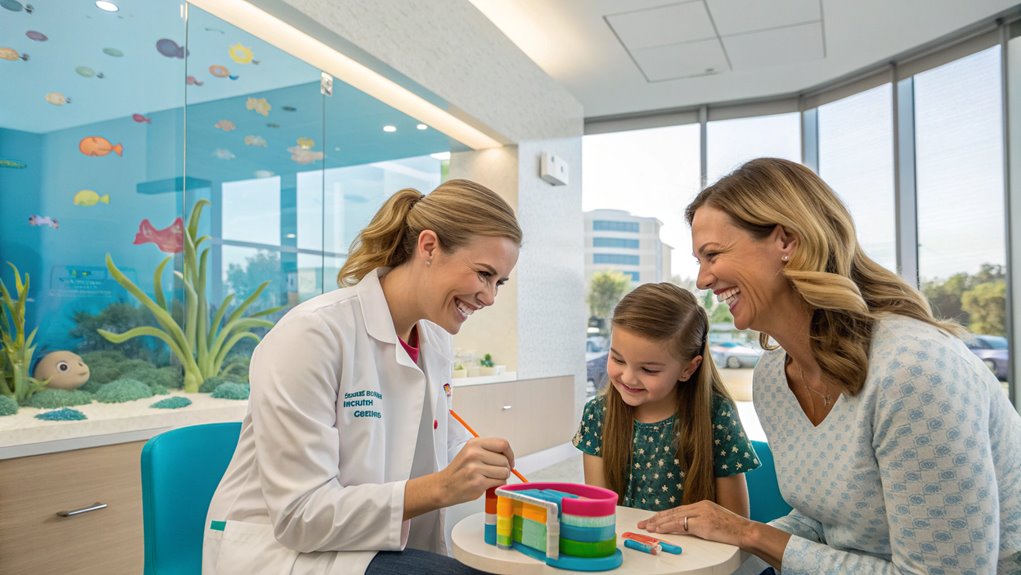
Advanced Cosmetic Techniques for Pediatric Patients: What Chandler Dentists Are Using Today
Quick Take: Discover how Chandler pediatric dentists integrate advanced cosmetic techniques that prioritize comfort, natural tooth preservation, and long-term oral health for children.
Addressing the unique needs of young patients presents both challenges and opportunities in pediatric dentistry, where maintaining natural tooth structure while ensuring a positive experience is paramount. Pediatric dentists in Chandler recognize the importance of combining comfort-focused care with innovative materials and technologies to overcome common dental anxieties and promote healing.
This approach not only safeguards children’s oral health but also fosters trust and cooperation, which are essential for successful treatments and lifelong dental care habits.
In practice, this translates to the use of biocompatible materials such as calcium silicate compounds and BPA-free composites that closely mimic natural teeth while encouraging tissue repair. Leveraging digital imaging and 3D technology enhances treatment precision and reduces radiation exposure, supporting minimally invasive care models.
Techniques like laser therapy and silver diamine fluoride application reduce the need for traditional drilling, making procedures less intimidating and more efficient. Additionally, durable, aesthetically pleasing options like zirconia crowns and custom-shaded fillings ensure that restorative work supports both function and appearance, reinforcing the prevention-first philosophy that guides pediatric dental care in Chandler today.
Key Takeaways
- Zirconia crowns and BPA-free composite resins provide strong, natural-looking restorations that match the surrounding teeth.
- Laser therapy and air abrasion offer gentle, drill-free cavity preparation that helps reduce discomfort and preserves healthy tooth structure.
- Digital smile design combined with 3D imaging supports tailored treatment plans with accurate color matching and clear visualization for families.
- Silver diamine fluoride is an effective, non-invasive option to halt decay, often reducing the need for traditional fillings or extractions in children.
- Coordinated restorative and orthodontic treatments using biocompatible materials promote balanced aesthetics, function, and healthy development during growth.
Biocompatible Materials Revolutionizing Pediatric Smile Restoration
Key Insight: Biocompatible materials are transforming pediatric dentistry by enhancing safety, efficacy, and natural healing in young patients, driving superior smile restoration outcomes. These innovations integrate advanced biomaterials and regenerative technologies tailored to children’s unique dental needs.
As a result, calcium silicate-based compounds such as MTA and Biodentine have set new standards by offering exceptional sealing properties and stimulating intrinsic tissue repair. Over time, these materials have evolved to minimize discoloration risks while achieving up to 97% radiographic success in pediatric treatments, underscoring their clinical reliability. More importantly, the emergence of bioactive glass materials has expanded regenerative possibilities, fostering hydroxyapatite formation for seamless tooth structure mimicry and promoting robust bone and soft tissue integration.
In practice, leveraging nanotechnology and hydrogel scaffolds further refines treatment precision by enhancing particle uniformity and replicating natural dental pulp environments to deliver growth factors effectively. That’s why BPA-free composite resins and glass hybrid materials have become preferred restorative options, combining biocompatibility with esthetic excellence.
These advancements collectively empower pediatric dental care through:
• Superior biocompatibility minimizing inflammatory responses and promoting healing
• Enhanced regenerative capacity via bioactive materials that stimulate dentin and bone repair
• Nanostructured formulations improving material handling and durability in clinical applications
• Hydrogel scaffolds enabling targeted delivery of bioactive molecules for pulp regeneration
• BPA-free, non-toxic restorative composites ensuring child safety and natural aesthetics
Moreover, these developments in pediatric orthodontics are crucial for ensuring that young patients receive the most effective care tailored to their growing smiles. Ultimately, embracing these biocompatible innovations redefines pediatric smile restoration by prioritizing long-term oral health and patient-centered care. As you explore treatment options, consider how these scientifically validated materials and technologies can optimize outcomes for your young patients. Moving forward, integrating bioactive and nanotechnological solutions offers a proactive pathway to healthier, more resilient pediatric dentitions.
White Crowns and Color-Matched Fillings: Beyond Traditional Metal Options
Key Insight: White crowns and color-matched fillings represent a transformative advance in pediatric dentistry by combining durable protection with natural aesthetics, enhancing both dental health and children’s confidence during critical developmental stages. These restorations offer a metal-free solution that addresses functional needs while seamlessly integrating with a child’s smile.
Over time, the shift from traditional silver amalgam to tooth-colored materials has redefined pediatric restorative care by prioritizing biocompatibility and visual harmony. More importantly, white crowns crafted from high-strength zirconia provide resilient support for severely compromised teeth, reducing the need for extractions and preserving oral structure. In practice, these esthetic restorations also help mitigate sensitivity and improve chewing efficiency, fostering healthier dental habits from an early age.
For pediatric patients, white crowns and color-matched fillings deliver comprehensive benefits that extend beyond appearance:
• Exceptional durability through advanced ceramic materials like zirconia, ensuring long-term function under masticatory stress
• Custom shading and translucency to perfectly replicate adjacent teeth, supporting seamless smile integration
• Enhanced biocompatibility minimizing allergic reactions and reducing plaque retention compared to metal options
• Protection of fragile teeth from further decay or fracture, preserving natural dentition and oral development
• Decreased postoperative sensitivity by insulating nerve endings and restoring enamel integrity
• Psychological uplift by enhancing self-esteem during formative years, crucial for social and emotional well-being
That’s why embracing these innovative restorations marks a pivotal step toward holistic pediatric dental care that balances aesthetics, health, and patient comfort. As a result, clinicians can deliver treatments that not only restore function but also empower young patients with confidence. Looking forward, adopting white crowns and tooth-colored fillings aligns with evolving standards emphasizing minimally invasive, patient-centered approaches, ensuring optimal outcomes throughout childhood and beyond. Additionally, the integration of pediatric dentistry and orthodontics allows for a more comprehensive approach to a child’s overall dental health.
Minimally Invasive Approaches to Preserving Natural Tooth Structure
Key Insight: Prioritizing minimally invasive dental treatments preserves natural tooth structure, reduces patient anxiety, and enhances long-term oral health outcomes for pediatric patients.
As a result of advancements in dental technology, preserving natural tooth structure has become the cornerstone of effective pediatric dentistry. Modern minimally invasive techniques focus on conserving enamel and dentin by targeting decay selectively, which supports tooth vitality and reduces the risk of further complications. Over time, these approaches not only improve clinical outcomes but also foster positive patient experiences by minimizing discomfort and procedural invasiveness.
More importantly, integrating treatments like laser therapy, air abrasion, and silver diamine fluoride transforms cavity management by reducing the need for drilling and anesthesia. In practice, these methods align with holistic oral health strategies that emphasize prevention and early intervention. That’s why dental professionals increasingly adopt such techniques to balance efficacy with patient-centered care, ensuring durable restorations and sustained natural tooth preservation. Additionally, pediatric specialists often focus on creating a warm, welcoming environment that eases anxiety and promotes positive dental experiences for young patients.
Understanding the benefits of minimally invasive dental treatments includes:
• Laser Therapy: Enables painless, targeted removal of decay while preserving healthy tissue with precision technology
• Air Abrasion: Offers a drill-free alternative for cavity preparation, reducing noise and vibration-induced anxiety
• Silver Diamine Fluoride: Arrests active decay rapidly through topical application, often eliminating the need for invasive restorations
• Hall Technique: Utilizes preformed stainless steel crowns placed without tooth reduction or anesthesia, promoting conservative management
• Biocompatibility: These methods support natural remineralization and maintain structural integrity for long-term dental health
Incorporating these minimally invasive approaches encourages a paradigm shift toward conservative dentistry that aligns with evidence-based best practices. Over time, this mindset enhances patient trust and satisfaction by emphasizing gentle care that safeguards natural dentition. Moving forward, adopting these techniques will empower families and clinicians to achieve optimal pediatric oral health with fewer interventions and better preservation of the child’s natural smile.
Digital Technology Integration in Chandler Pediatric Dental Practices
Quick Take: Digital technology integration in Chandler pediatric dental practices enhances diagnostic precision, patient engagement, and treatment customization, leading to safer, more effective care for children.
As a result of ongoing advancements, pediatric dentists in Chandler now leverage sophisticated digital tools that transform every stage of dental care—from diagnosis to treatment planning and execution. These technologies include digital smile design, 3D imaging, and intraoral cameras, all of which provide detailed visualizations and interactive experiences that empower children and their families to make informed decisions. Over time, this integration fosters greater transparency and trust between practitioners and patients, improving overall satisfaction and clinical outcomes.
More importantly, the adoption of low-radiation digital X-rays and biocompatible restorative materials reflects a commitment to patient safety and long-term oral health. In practice, combining multiple diagnostic modalities enables highly personalized treatment plans that minimize invasiveness while addressing unique developmental and orthodontic needs. This holistic digital approach supports early problem detection and efficient intervention, aligning with best practices in pediatric dentistry.
Key digital innovations driving Chandler pediatric dental care include:
• Digital smile design software that visualizes treatment outcomes before procedures commence, enhancing patient understanding and consent
• High-resolution 3D imaging techniques capturing comprehensive dental anatomy for precise planning and simulation
• Intraoral cameras providing real-time, magnified views of oral structures, facilitating clearer communication and early diagnosis
• Low-dose digital X-rays delivering faster, clearer images with reduced radiation exposure compared to traditional radiography
• Selection of BPA-free, biocompatible restorative materials informed by digital workflows to ensure safer, healthier treatments
• Integrated diagnostic systems that synthesize data from multiple sources, enabling tailored, minimally invasive care strategies
That’s why embracing advanced digital technologies is indispensable for pediatric dental practices aiming to elevate care quality and patient experience in Chandler. Moving forward, these innovations not only enhance clinical accuracy but also empower families as active partners in their children’s oral health journey. By prioritizing digital integration, dental professionals can deliver safer, more comfortable, and outcome-driven treatments that align with evolving patient expectations and evidence-based standards.
Prevention-First Philosophy: Early Intervention Strategies for Lasting Results
Key Insight: Prioritizing early dental risk assessments and tailored preventive care empowers families to maintain children’s oral health, reducing decay and orthodontic complications over time.
Chandler dentists emphasize comprehensive risk evaluations before a child’s first birthday, setting personalized prevention plans aligned with developmental milestones. This proactive approach integrates behavioral management and parental guidance to foster positive dental experiences and reinforce consistent home care practices essential for lasting oral health outcomes. Over time, these strategies promote early identification and interception of potential dental issues, minimizing the need for extensive restorative treatments.
More importantly, combining clinical interventions such as fluoride varnish applications and orthodontic devices with routine monitoring enhances protective measures during critical growth phases. In practice, this blend of evidence-based techniques and patient-specific education addresses cavities, alignment problems, and gum health holistically, ensuring sustainable benefits. That’s why a prevention-first philosophy remains central to optimizing pediatric dental care and building healthy habits from infancy through adolescence.
Strategic preventive care highlights include:
• Conducting individualized risk assessments to tailor early intervention protocols
• Applying fluoride varnish every 3-6 months for high-risk patients to reduce decay by up to 30%
• Employing behavioral management approaches to ease children’s anxiety and improve appointment compliance
• Utilizing orthodontic appliances like palatal expanders and space maintainers to guide proper tooth eruption and alignment
• Providing parental education focused on effective home oral hygiene and nutrition strategies • Combining sealants with fluoride treatments for comprehensive protection against enamel erosion and cavities
Ultimately, adopting a prevention-first mindset shifts the focus from reactive treatment to proactive care, empowering families to safeguard their children’s smiles long-term. As a result, dental teams can intercept problems during key developmental windows, improving quality of life and reducing costly interventions. Moving forward, integrating personalized assessments, evidence-based therapies, and educational support creates a foundation for enduring oral health success.
In Summary
Palm Valley Pediatric Dentistry & Orthodontics employs advanced biocompatible materials combined with cutting-edge digital technology to provide exceptional pediatric dental care. Their approach emphasizes minimally invasive techniques that restore young smiles effectively while prioritizing the comfort of each child. By integrating modern tools and methods, they ensure treatments are both efficient and gentle, tailored to the unique needs of growing teeth. This commitment to innovation reflects their dedication to delivering high-quality care in Scottsdale, East Mesa, Chandler, and surrounding areas.
A prevention-first strategy is central to Pi havealm Valley’s approach, enabling early intervention that protects developing teeth from potential issues. This method not only safeguards oral health but also fosters positive dental experiences that encourage children to maintain good habits. The practice’s focus on gentle treatments helps reduce anxiety and build trust, making visits less stressful for families. Their goal is to create a foundation of lifelong dental wellness through proactive and thoughtful care.
Palm Valley Pediatric Dentistry & Orthodontics designs treatments that balance safety, comfort, and natural aesthetics to support long-term oral health. Their expertise ensures children receive care that aligns with family expectations for gentle, effective, and visually pleasing results. By continually advancing pediatric dental techniques, they remain at the forefront of meeting the evolving needs of young patients. Families in Scottsdale, East Mesa, Chandler, and nearby communities can rely on their comprehensive approach to foster healthy, confident smiles.