
How Parents in Chandler Can Help Prevent Cavities in Kids?
Parents in Chandler can help prevent cavities in kids by encouraging twice-daily brushing with fluoride toothpaste, daily flossing, limiting sugary foods and drinks, and scheduling regular dental checkups. Preventive dental care, such as fluoride treatments and sealants, helps keep tooth enamel strong and lowers the chance of cavities.
Many parents assume cavities only occur when children eat too much candy. Many children develop tooth decay, making it one of the most frequent dental problems in kids.
Cavities form when bacteria in the mouth use sugar from food and drinks to create acids.
Need a pediatric dentist in Chandler? Schedule your child’s visit at Palm Valley Pediatric Dentistry & Orthodontics today to help keep their teeth healthy and cavity-free.

Is Your Child’s Smile on the Right Track?
Early dental visits aren’t just about cleaning teeth, they’re about catching problems before they become costly and painful. Our pediatric specialists create personalized care plans that grow with your child, from their very first tooth through their teen years.
Gentle, kid-friendly care in a welcoming environment.
Why Kids Get Cavities?
Before we talk about the causes, let’s first understand how cavities occur!
Plaque bacteria turn the sugar in food into acids that can cause cavities. Over time, these acids weaken the tooth’s outer layer and cause small areas of damage.

Several factors influence a child’s risk of developing cavities, including daily habits, diet, genetics, and oral hygiene practices. Here are some of the known causes of dental cavities in children:
- Bacterial growth
- Too much consumption of sugary foods
- Poor oral hygiene
- Lack of fluoride
- Unhealthy snacking
- Genetically thin enamel
- Mouth breathing
- Low saliva production
Teach Kids Proper Brushing Habits to Prevent Cavities in Children
Dental cavities come with their fair share of burden. Good oral hygiene plays a key role in preventing cavities.
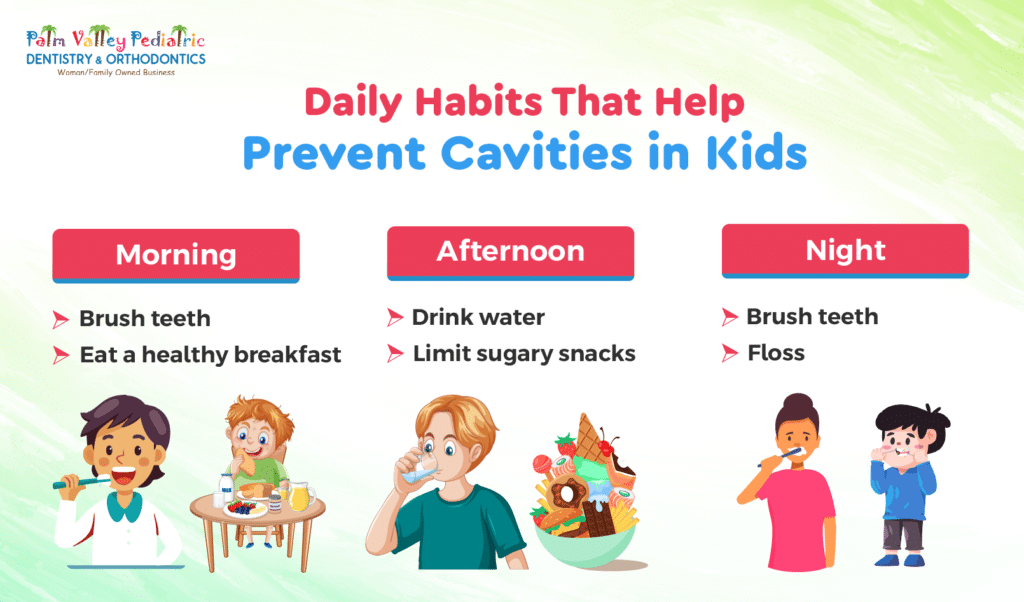
Here is all you need to know about preventing cavities in children:
1- Teach Kids Proper Brushing Habits
One of the first things you need to do to prevent cavities is to encourage regular brushing. Parents should guide children while brushing until they can clean their teeth independently.
Below are some helpful tips every parent should know when encouraging brushing habits in children:
2- Help Kids Floss Daily
Brushing cleans the front and back of the teeth, while flossing removes buildup from the tight spaces between them.
Just like brushing, daily flossing is important for maintaining good oral hygiene. Flossing clears small bits of food and plaque trapped between teeth.
Brushing alone cannot clean between teeth. Flossing removes food particles and plaque that often build up in tight spaces between teeth, where cavities commonly develop.
Parents should guide children in flossing until they learn to do it safely on their own.
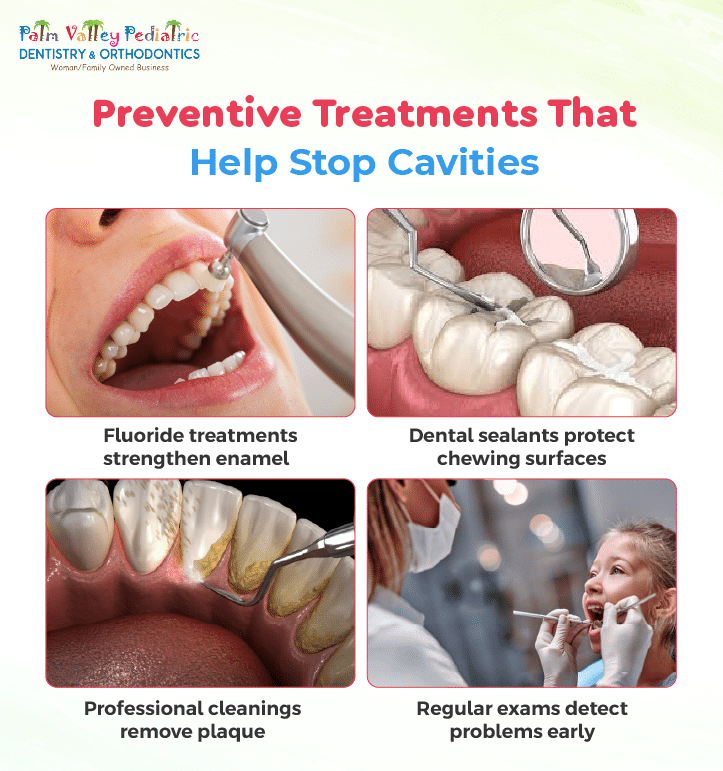
3- Fluoride Treatments
Fluoride treatments make tooth enamel stronger and help protect teeth from damage caused by cavities.
Dentists often apply fluoride varnish during preventive dental visits. Research shows that fluoride varnish helps lower the risk of cavities in baby teeth.
Fluoride protection works best when combined with good brushing and healthy habits.
4- Limit Sugary Foods and Drinks
Sugary snacks and drinks allow bacteria to produce acids that can damage tooth enamel. Bacteria in our mouths attack these sugary substances, converting them into acids that then damage the tooth surface.
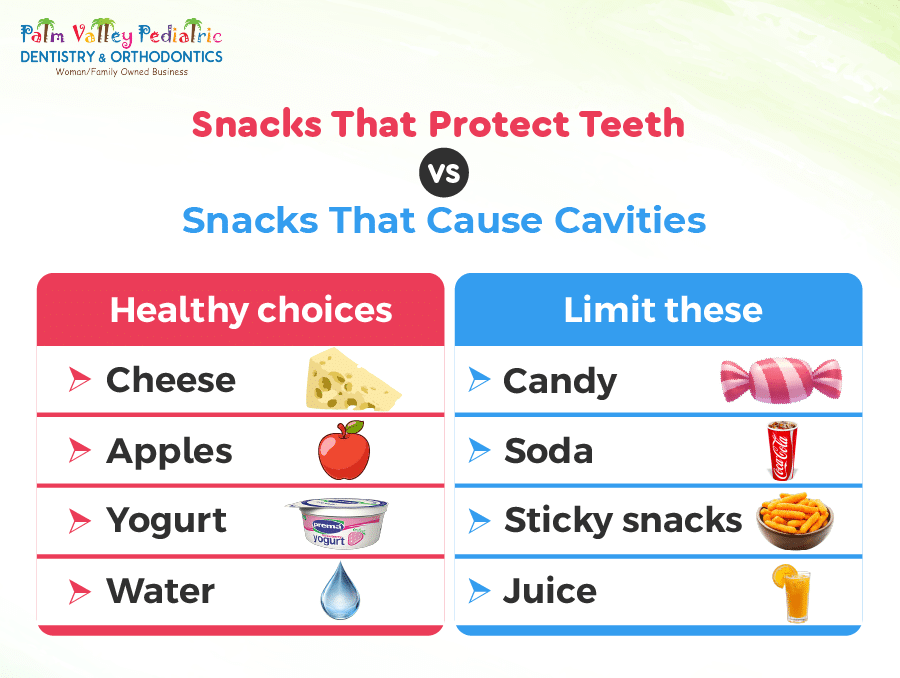
Eating fewer sugary foods and drinks helps lower the chance of tooth decay in children.
Here are the tips that might help you:
- Limit candy and sticky snacks
- Reduce sugary drinks like soda and juice
- Sugar foods that stick to the teeth surface are even more harmful.
- Encourage water instead of sweet beverages
- Rinse your mouth every time after you consume something sweet.
- Limiting sugar intake helps prevent tooth decay.
5- Dental Sealants
Dentists apply dental sealants to the chewing areas of back teeth to provide extra protection.
Back teeth usually have small grooves where food and bacteria can easily build up.
Sealants create a barrier that helps prevent plaque and acids from damaging the enamel.
Studies show sealants can prevent up to 80 percent of cavities in molars during the first few years after application.
6- Monitor Habits
Certain habits may also increase a child’s risk of developing cavities. So, make sure you carefully monitor your child for these to minimize their risk of developing oral cavities.
Some of the common habits that could be the leading cause of dental caries in children are:
- Prolonged use of a bottle
- Use of a pacifier
- Insufficient water intake
- Persistent mouth breathing.
7- Schedule Regular Dental Checkups
Regular dental visits allow dentists to find problems early and keep children’s teeth in good condition. Dentists recommend dental checkups about every six months for preventive care. No matter how afraid your child is, make sure not to ignore any warning signs indicating tooth damage.
During these visits, dentists can
- Clean plaque buildup
- Apply fluoride treatments
- Monitor tooth development
Be it a toothache or difficulty in chewing, make sure not to miss any sign; book an appointment with the best pediatric dentist.
If you are searching for the best pediatric dentist in Chandler, book your appointment with Palm Valley Pediatric Dentistry and Orthodontics.
Give Your Child the Gift of a Healthy Smile
PVPD doesn’t just treat teeth; we build lasting relationships with families. More confident kids. More comfortable appointments. More reasons to smile. Our patients leave happier and healthier, visit after visit.
Serving families across Scottsdale, because every child deserves a great smile.
Frequently Asked Questions
At what age should kids start brushing their teeth?
Parents can start brushing their kids’ teeth with a small, soft-bristled toothbrush as soon as their kids get their first teeth.
How often should kids see a dentist?
Dentists usually recommend scheduling dental visits for children about every 6 months for exams and cleanings. However, if a child is experiencing dental health problems, they may need to see their dentist at their scheduled appointments.
Are cavities common in children?
Yes, dental cavities are quite common in children. Dental caries, also known as cavities, are among the most common oral health problems in children.
Do baby teeth really matter?
Yes, baby teeth are important are placeholders for permanent teeth and also help children develop proper chewing habits and clear speech
Conclusion
Preventing cavities in children begins with simple daily habits.
Brushing with fluoride toothpaste, limiting sugary foods, flossing, and visiting the dentist regularly can significantly reduce the risk of tooth decay.
For parents in Chandler, building strong oral hygiene habits early helps children grow up with healthier smiles and fewer dental problems.
Pediatric Dental Specialist at PVPD

Dr. Olga
Dr. Olga brings years of specialized pediatric dental expertise and a genuine passion for children’s oral health to the PVPD team. She specializes in creating anxiety-free dental experiences and early-intervention care strategies that set children up for a lifetime of healthy smiles.
Medically reviewed by Dr. Olga Dolghier, DDS, Pediatric Dentist at Palm Valley Pediatric Dentistry & Orthodontics.


