
Is Dental Anesthesia Safe for Children in Scottsdale? Parent Guide
Dental anesthesia remains safe for children in Scottsdale when trained pediatric dentists follow strict safety protocols and closely monitor the child throughout the procedure. It helps children stay comfortable and pain-free, especially during longer or more complex treatments.
To protect safety, pediatric dentists carefully review each child’s medical history, overall health, and treatment needs before selecting the most appropriate type and dosage of anesthesia.
At Palm Valley Pediatric Dentistry in Scottsdale, we provide a calm, child-friendly environment and safe in-office anesthesia to keep children comfortable during treatment.
This approach also helps parents feel more confident about the safety and purpose of dental anesthesia or sedation.

Is Your Child’s Smile on the Right Track?
Early dental visits aren’t just about cleaning teeth, they’re about catching problems before they become costly and painful. Our pediatric specialists create personalized care plans that grow with your child, from their very first tooth through their teen years.
Gentle, kid-friendly care in a welcoming environment.
3 Reasons Dental Anesthesia Is Safe for Kids in Scottsdale
Dental anesthesia follows well-established medical protocols designed specifically for children. Safety is based on careful planning, proper dosing, and continuous monitoring throughout the procedure.
1- Your Child Gets a Full Health Check First
Before any anesthesia is used, the pediatric dentist takes time to review your child’s complete medical history, current health condition, and body weight.
This helps them choose the right type of sedation, whether nitrous oxide, oral sedation, or local anesthesia, at a dose that is right for your child’s age and size.
II. Your Child Is Watched Every Single Minute
As soon as the procedure starts, trained dental staff carefully watch your child’s breathing, oxygen levels, and heart rate. If there is even a small change, they act quickly to address it right away.
III. Kids Get Care Made Just for Them
Children are not small adults, and pediatric dentists know that.
They use child-specific equipment, kid-safe sedation dosages, and safety guidelines for young patients.
This pediatric-focused approach is a big reason why serious complications from dental anesthesia in children are extremely rare.
Why Some Children Need Dental Anesthesia
It is completely normal for parents in Scottsdale to feel nervous when they hear their child needs dental anesthesia.
Anesthesia is used when it genuinely helps the child get through treatment safely, comfortably, and without unnecessary stress.
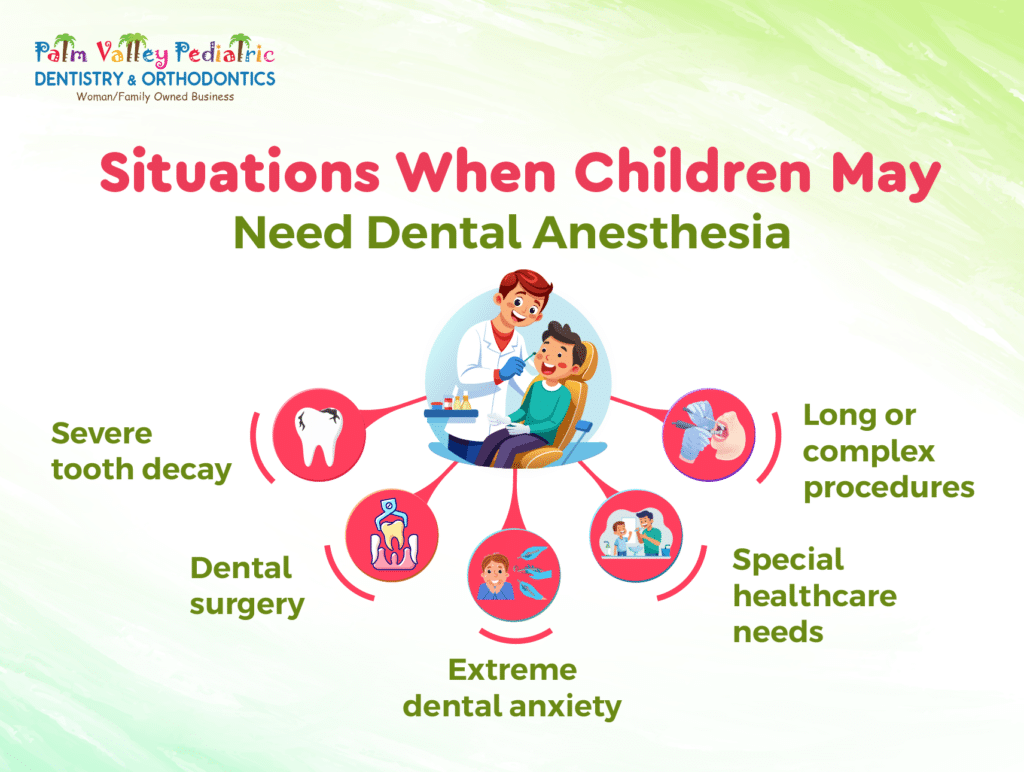
Children may benefit from dental anesthesia in certain situations, including:
- Severe fear or dental anxiety
- Long or complex procedures that require more time
- Very young children who are unable to stay still during dental treatment
- Emergency treatments or dental infections that need immediate care
- Children with special healthcare needs require additional support
In these cases, anesthesia creates a controlled environment that allows dentists to complete treatment efficiently while keeping the child comfortable.
4 Types of Pediatric Dental Anesthesia
Pediatric dental anesthesia is not for every child.
The dentist will select the most suitable option based on your child’s age, level of anxiety, and the type of treatment required, making sure it is both safe and comfortable.
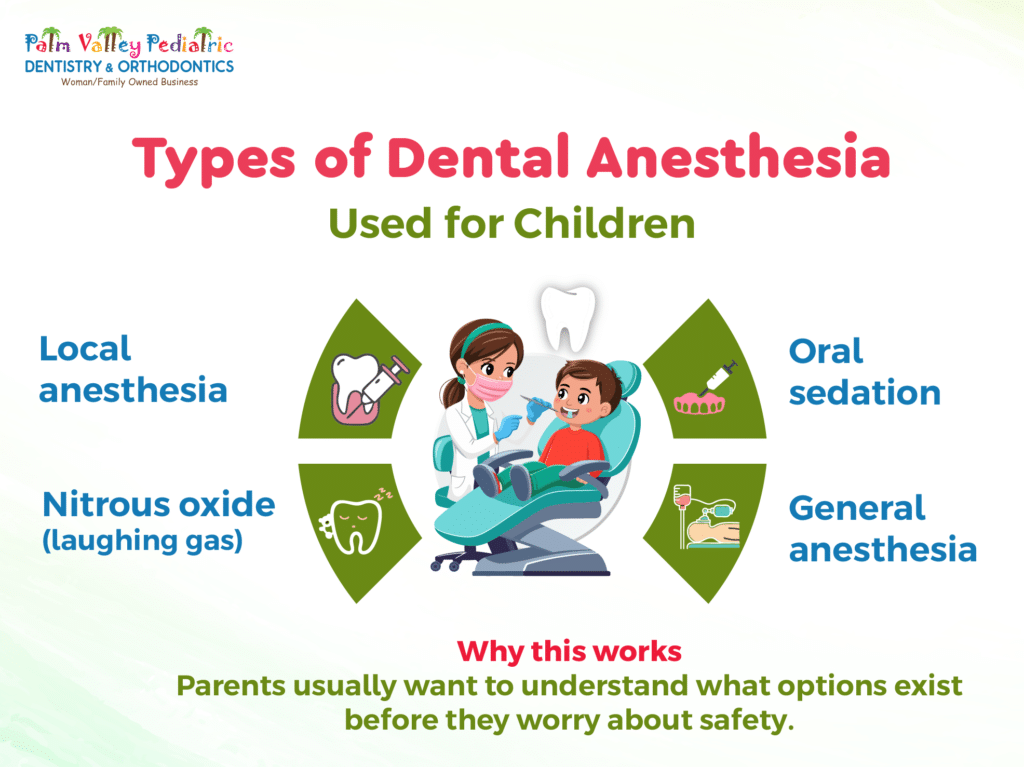
1. Local Anesthesia
For minor dental procedures, keeping children comfortable is the top priority.
Dentists use local anesthesia to numb a specific area of the mouth, keeping the child awake and preventing pain during treatments such as fillings, as recommended by the American Academy of Pediatric Dentistry.
2. Nitrous Oxide (Laughing Gas)
Nitrous oxide is a mild option that helps children feel calm without putting them to sleep. The dentist gives it through a small mask placed over the nose. It starts working quickly and fades just as fast after it is stopped.
Your child stays awake, can communicate, and can follow instructions, which is why it is widely used and well accepted in pediatric care.
3. IV sedation
For longer or more complex treatments, or for children with higher levels of anxiety, IV sedation offers a deeper sense of relaxation.
The dentist gives the medication directly into a vein. It will act quickly and be carefully adjusted by the dental team. After the procedure, most children remember very little, if anything, about the experience.
4. Oral sedation
Some children may benefit from a calming option before treatment begins to reduce anxiety. Oral sedation means giving medicine before the dental visit to help the child feel calm and sleepy, while still able to respond to the dentist.
It is typically given about one hour in advance, allowing enough time for the effects to take hold before treatment starts.
Difference Between Sedation and General Anesthesia
Both sedation and general anesthesia help children stay comfortable during dental treatment, but they work differently and are used in different situations.
Sedation
Sedation helps a child relax and remain calm during treatment. The child may feel sleepy or less aware of what is happening, but usually stays awake and responsive.
Pediatric dentists often recommend this option for children who feel nervous, have difficulty staying still, or require longer dental treatment.
General Anesthesia
General anesthesia induces a deep sleep, allowing the dentist to complete treatment safely without movement or discomfort.
Dentists typically recommend general anesthesia for complex procedures, very young children, or situations where complete stillness is necessary for safety.
| Sedation | General Anesthesia | |
| Level of Consciousness | Child stays awake but feels relaxed and drowsy | Child is placed into a deep sleep |
| Responsiveness | Child can still respond to the dentist | Child is completely unresponsive |
| Memory of Procedure | Child may have little memory of treatment | Child has no memory of the procedure |
| Best Used For | Nervous children, mild to moderate anxiety, longer treatments | Complex procedures, very young children, cases requiring complete stillness |
| Recovery Time | Quick, effects wear off relatively fast | Longer recovery period needed |
| Where It Is Given | Dental office setting | Dental office or hospital setting |
| Level of Monitoring | Continuous vital sign monitoring | Continuous vital sign monitoring by an anesthesiologist |
When Dental Anesthesia May Need Extra Evaluation in Scottsdale
Some children may need additional evaluation before receiving dental anesthesia to ensure the safest possible care.
This often includes children with certain medical conditions, breathing concerns, or a history of reactions to anesthesia. In these situations, pediatric dentists in Scottsdale take extra precautions and may collaborate with medical specialists to plan treatment safely and confidently.
What Happens Before, During, and After Anesthesia
- Before the Procedure: The dental team reviews your child’s health history and provides clear preparation instructions, including eating guidelines.
- During the Procedure: The dental team carefully monitors your child at all times and ensures their breathing, heart rate, and comfort remain safe and steady.
- After the Procedure: The dental team monitors the child’s recovery and provides parents with clear aftercare instructions. Most children recover quickly, especially with lighter forms of sedation.
When Parents Should Consider Sedation Dentistry
Parents may consider sedation dentistry when a child is unable to comfortably or safely complete dental treatment while awake.
1. Situations Where Sedation Helps
Sedation is useful for children with high anxiety, difficulty staying still, or those needing multiple procedures. Children with hyperactivity or special healthcare needs may also find it very hard to sit calmly in the dental chair for a long time.
In all of these situations, sedation helps the dentist to do their job properly while keeping your child relaxed.
2. Emotional Comfort for the Child
Sedation eases fear and creates a calmer experience, helping prevent long-term dental anxiety. Children who cry, feel fearful, or resist entering the dental office may benefit from a more relaxed introduction to care.
Procedures like multiple cavity fillings, tooth extractions, or pulp therapy take time.
3. Safety During Complex Treatments
It Protects Your Child’s Relationship With Dental Care. A child who has a frightening dental experience early in life may grow up avoiding the dentist altogether.
For longer or more involved procedures, sedation supports efficient treatment while keeping the child comfortable. It helps the dental team complete care smoothly with less stress. Procedures such as multiple fillings or extractions are often more manageable with sedation.
Sedation helps ensure safety, comfort, and cooperation during treatment, especially when a child is anxious or unable to remain still.
How Dr. Olga Dolghier Ensures Safe Dental Anesthesia for Children
Dr. Olga Dolghier and the team at Palm Valley Pediatric Dentistry in Scottsdale follow a strict safety-first approach with every child.
The dental team carefully evaluates each child’s medical history, dental needs, and comfort level to choose the safest and most appropriate care.
During treatment, the pediatric dental team creates a warm, kid-friendly environment where children feel relaxed and safe. They use modern pediatric equipment designed specifically to support safe and comfortable treatment.
How Parents in Scottsdale Can Prepare a Child for Dental Anesthesia
Getting your child ready for a dental visit can help lower anxiety and make the treatment safer.
At the pediatric dentistry clinic, we recommend:
- Explain the visit in simple, positive language to help your child feel comfortable
- Talk calmly and comfort your child when discussing the appointment.
- Follow all pre-appointment eating and drinking instructions carefully to support safe anesthesia
- Stay calm and positive, as children often sense and follow their parents’ feelings.
- Stay calm and positive, as children often sense and follow their parents’ feelings.
A calm, prepared approach helps children in Scottsdale feel more confident and supports a smooth, stress-free dental visit.
Safety Measures Pediatric Dentists Follow in Scottsdale
The American Academy of Pediatric Dentistry confirms that adverse outcomes from pediatric dental sedation are rare when proper monitoring and safety protocols are in place. Pediatric dentists take careful precautions to ensure anesthesia is safe for children.
Serious problems are very rare and happen in fewer than 1 out of 10,000 cases. They also adjust anesthesia based on the child’s weight and medical condition, which is key to maintaining safety.
These safety measures include:
- Pre-visit evaluation of the child’s medical history and allergies before an anesthetic procedure.
- Make sure the clinic keeps emergency supplies available and has trained professionals on staff.
- The dental team checks heart rate, oxygen levels, and breathing to make sure your child stays safe.
- Follow post-procedure instructions carefully to support a smooth and safe recovery.
- Ensure care is provided by qualified anesthesia professionals who follow strict safety protocols.
Help Your Child Get the Dental Care They Need!
Dental anesthesia helps children receive the treatment they need safely, gently, and without fear.
At Palm Valley Pediatric Dentistry and Orthodontics, every child is treated with warmth, patience, and genuine care that puts their comfort first.
Our in-office anesthesia services make even the most complex pediatric dental treatments feel smooth, stress-free, and completely manageable for your child.
If you have questions or concerns about dental anesthesia for your child, we are here to help you understand every option and feel confident in the care your child receives. Reach out to our Scottsdale team today and let us make your child’s next dental visit a positive one.
Give Your Child the Gift of a Healthy Smile
PVPD doesn’t just treat teeth; we build lasting relationships with families. More confident kids. More comfortable appointments. More reasons to smile. Our patients leave happier and healthier, visit after visit.
Serving families across Scottsdale, because every child deserves a great smile.
FAQ’s
Are there side effects from dental anesthesia?
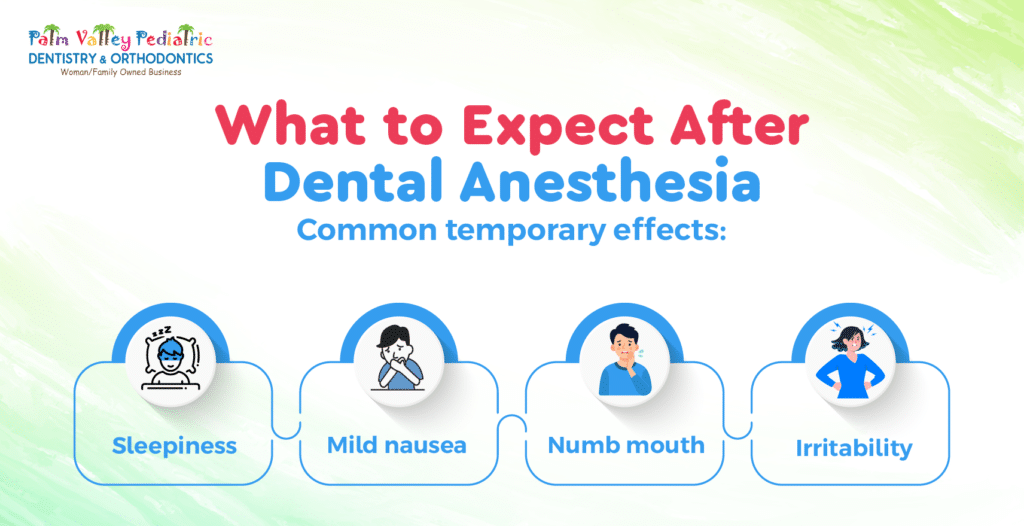
Yes, some temporary side effects may occur. It may include numbness or tingling at the treatment site. Mild dizziness, nausea, or headache may also occur.
How is pediatric sedation given to children?
Dentists can provide sedation through a mask, oral medication, or IV, depending on the treatment and the child’s needs.
Is dental anesthesia dangerous for children?
Experienced dental professionals use anesthesia safely for children. Serious problems are very rare when providers use anesthesia correctly and follow proper safety guidelines.
When is dental anesthesia necessary for children?
Dentists may recommend dental anesthesia when a child has significant anxiety, difficulty staying still, or needs complex treatment. Dentists make this decision based on safety, comfort, and the ability to complete treatment effectively.
Will my child feel pain during dental treatment?
No. Dentists use anesthesia to keep your child relaxed and prevent pain during treatment.
Conclusion
Dental anesthesia helps children get the treatment they need safely and comfortably. It reduces fear and makes dental visits easier for children and less stressful for parents.
Trained pediatric dentists provide safe and gentle sedation to keep children calm, comfortable, and pain-free.
At Palm Valley Pediatric Dentistry & Orthodontics, we are committed to providing safe, gentle, and child-focused care. To learn more about safe, child-friendly anesthesia options, visit ourIn-Office Anesthesia Services page.
If you have concerns, speaking with a pediatric dentist can help you make informed decisions and feel confident about your child’s treatment.
Pediatric Dental Specialist at PVPD
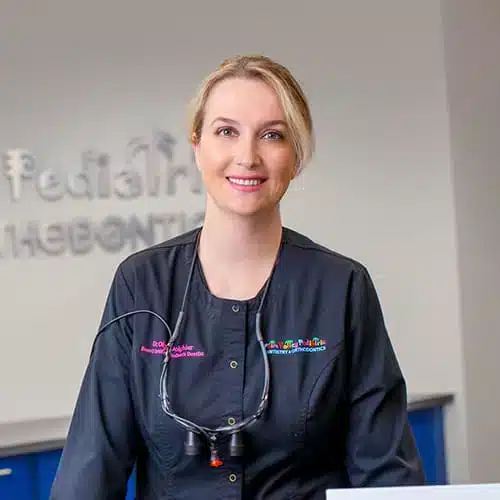
Dr. Olga
Dr. Olga brings years of specialized pediatric dental expertise and a genuine passion for children’s oral health to the PVPD team. She specializes in creating anxiety-free dental experiences and early-intervention care strategies that set children up for a lifetime of healthy smiles.
Medically reviewed by Dr. Olga Dolghier, DDS, Pediatric Dentist at Palm Valley Pediatric Dentistry & Orthodontics.
