How Many Teeth Should a 1-Year-Old Have?
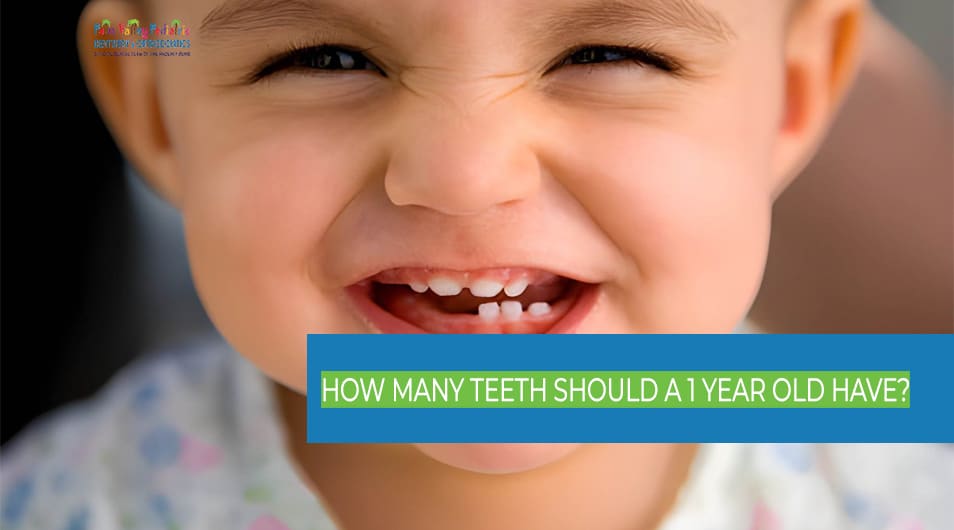
Most babies have 4 to 8 primary (baby) teeth by their first birthday. Having as few as 2 teeth or as many as 12 teeth can still be completely normal because every child develops at a different pace.
Many parents worry when their baby’s teeth don’t seem to match what they see on growth charts or when they compare with other children.
At Palm Valley Pediatric Dentistry & Orthodontics, our pediatric dentistry services focus on protecting your child’s smile from infancy through adolescence.
Regular dental visits allow us to monitor tooth eruption, identify any concerns early, and help parents build healthy oral care habits from the very beginning.
Key Takeaways
- Most 1-year-olds have 4 to 8 baby teeth, but 2 to 12 teeth can still be normal.
- Every child follows a unique tooth eruption timeline.
- Baby teeth support chewing, speech, and the healthy development of permanent teeth.
- Brush your child’s teeth twice daily and schedule your child’s first dental visit by age 1.
- See a pediatric dentist if no teeth have erupted by 18 months or you have concerns about tooth development.
How Many Teeth Should a 1-Year-Old Have?
Most 12-month-old babies have between four and eight baby teeth.
Typically, the lower central incisors are the first to appear, followed by the upper central incisors.
By the time your child celebrates their first birthday, they have usually started developing the front teeth used for biting and chewing.
While this is the average, every baby follows their own developmental timeline. Some children cut their first tooth at four months, while others may not get their first tooth until after their first birthday.
As long as your pediatric dentist confirms that your child’s oral development is healthy, these differences are usually not a cause for concern.
Understanding the Baby Teeth Eruption Timeline
According to Cleveland Clinic, baby teeth, also called primary teeth or deciduous teeth, begin developing beneath the gums long before they become visible.
Although eruption varies from child to child, most babies follow a similar pattern.
| Age | Teeth Commonly Erupting |
| 6 to 10 months | Lower central incisors |
| 8 to 12 months | Upper central incisors |
| 9 to 13 months | Upper lateral incisors |
| 10 to 16 months | Lower lateral incisors |
Your child will eventually have 20 primary teeth, with the full set usually appearing by age three.
What If Your 1-Year-Old Has Fewer Teeth?
Some parents worry when their one-year-old has only one or two teeth.
In many cases, this is completely normal.
Tooth eruption is influenced by several factors, including:
- Genetics
- Overall growth and development
- Birth history
- Individual developmental differences
A slight delay doesn’t automatically indicate a dental problem. However, if your child has no visible teeth by 18 months, it’s a good idea to schedule a pediatric dental evaluation.
Your pediatric dentist can examine your child’s mouth, assess development, and determine whether additional evaluation is necessary.
Regular infant and baby dental care also helps monitor your child’s oral development.
It allows your pediatric dentist to answer questions about teething, tooth eruption, and healthy brushing habits before small concerns become bigger ones.
Can a 1-Year-Old Have More Than Eight Teeth?
Yes.
Some babies begin teething earlier than average and may have nine, ten, or even twelve teeth by their first birthday.
Early tooth eruption is generally not a problem as long as the teeth are healthy and developing properly.
Instead of comparing your child with others, focus on maintaining good oral hygiene and attending routine dental checkups.

Is Your Child’s Smile on the Right Track?
Early dental visits aren’t just about cleaning teeth, they’re about catching problems before they become costly and painful. Our pediatric specialists create personalized care plans that grow with your child, from their very first tooth through their teen years.
Gentle, kid-friendly care in a welcoming environment.
4 Signs Your Baby’s Teeth Are Developing Normally
Healthy tooth development involves more than simply counting how many teeth your baby has.
Paying attention to how the teeth erupt and how your child’s gums and mouth look can give you a better idea of whether their oral development is progressing as expected.
1- Teeth Erupt Gradually
Baby teeth typically emerge one at a time over several months rather than all at once.
Your baby may get their two lower front teeth first, followed by the upper front teeth a few weeks or months later. This gradual eruption pattern is completely normal.
2- Healthy Pink Gums
As teeth come in, the gums should generally appear pink and healthy.
Mild swelling around an erupting tooth is common, but a pediatric dentist should evaluate persistent redness, bleeding, or signs of infection.
You may notice a small swollen area where a tooth is about to erupt, but it should improve once the tooth breaks through the gum.
3- Comfortable Chewing and Biting
As more teeth appear, your baby should become more comfortable chewing soft foods and exploring different textures.
A 1-year-old with several front teeth may begin biting into soft fruits like bananas or ripe pears instead of relying only on purees.
4- No Unusual Discoloration or Swelling
Newly erupted teeth should appear white or slightly off-white without dark spots or significant discoloration. While mild gum tenderness is expected during teething, severe swelling or ongoing discomfort is not.
If a newly erupted tooth appears brown, gray, or is accompanied by excessive swelling, it’s best to schedule a dental evaluation.
Keep in mind that teething symptoms vary from one child to another.
Some babies experience increased drooling, mild gum tenderness, or a desire to chew on teething toys, while others cut new teeth with little to no discomfort.
How to Care for Your 1-Year-Old’s Teeth
Your baby’s first teeth need daily care because they help with eating, speech development, and guiding permanent teeth into their proper positions.
Healthy habits include:
- Brush your child’s teeth twice each day using a soft-bristled infant toothbrush and a rice-sized smear of fluoride toothpaste.
- Avoid putting your baby to bed with bottles containing milk, formula, or juice, as prolonged exposure to sugars increases the risk of early childhood cavities.
- Offer water between meals instead of sugary drinks whenever possible.
As more teeth erupt, continue brushing every surface gently and help your child establish a daily oral hygiene routine.
When Should Your Child Visit a Pediatric Dentist?
Stanford Children’s Health recommends scheduling your child’s first dental visit by their first birthday or within six months after the first tooth appears.
An early dental visit allows your pediatric dentist to:
- Monitor tooth eruption
- Check for early signs of tooth decay
- Evaluate oral development
- Discuss nutrition and teething
- Demonstrate proper brushing techniques
- Answer questions about pacifier use and thumb sucking
Starting dental care early helps children become comfortable with dental visits while allowing parents to receive guidance tailored to their child’s needs.
These regular visits also allow your dentist to keep an eye on your child’s jaw growth and bite.
As your child gets older, they can determine the best age to start orthodontic treatment if any bite or alignment concerns begin to develop.
At Palm Valley Pediatric Dentistry & Orthodontics, we provide gentle, child-focused dental care that supports healthy smiles from infancy through the teenage years.
Every Child’s Smile Develops at Its Own Pace!
Most one-year-olds have 4 to 8 baby teeth, but every child grows at their own pace.
The most important thing is that your child’s teeth are coming in normally, being brushed every day, and checked regularly by a pediatric dentist.
If your baby is turning one or you have questions about their teeth, our friendly team provides gentle pediatric dental care to help your child build a healthy smile from the very beginning.
Book your child’s appointment today to check their tooth development, get helpful tips for caring for their smile, and give them the best start to a lifetime of healthy teeth.
Give Your Child the Gift of a Healthy Smile
PVPD doesn’t just treat teeth; we build lasting relationships with families. More confident kids. More comfortable appointments. More reasons to smile. Our patients leave happier and healthier, visit after visit.
Serving families across Scottsdale, because every child deserves a great smile.
People Also Ask
Is it normal for a 1-year-old to have only two teeth?
Some healthy babies have only two teeth by their first birthday, while others may have eight or more. Every child develops at a different pace, so a slower timeline for tooth eruption is often completely normal. If your baby has no teeth by 18 months, it’s a good idea to visit a pediatric dentist.
How many teeth should a baby have by 12 months?
Most babies have 4 to 8 baby teeth by 12 months. These are usually the front teeth, which help your child bite into soft foods. However, it’s normal for some babies to have fewer or more teeth at this age.
Should I worry if my baby’s teeth haven’t come in yet?
Not usually. Some babies simply get their first teeth later than others. However, if your child has no teeth by around 18 months, or you have concerns about their oral development, schedule a visit with a pediatric dentist to ensure their oral development is progressing normally.
When should I start brushing my baby’s teeth?
Start brushing as soon as the first tooth appears. Use a soft-bristled baby toothbrush and a rice-sized amount of fluoride toothpaste. Brushing twice a day helps prevent cavities and keeps your baby’s teeth healthy.
When should my baby have their first dental visit?
Your child should see a pediatric dentist by their first birthday or within 6 months of their first tooth coming in, whichever comes first. Early dental visits help monitor tooth development, prevent cavities, and give parents helpful tips.
Pediatric Dental Specialist at PVPD

Dr. Olga
Dr. Olga brings years of specialized pediatric dental expertise and a genuine passion for children’s oral health to the PVPD team. She specializes in creating anxiety-free dental experiences and early-intervention care strategies that set children up for a lifetime of healthy smiles.
Medically reviewed by Dr. Olga Dolghier, DDS, Pediatric Dentist at Palm Valley Pediatric Dentistry & Orthodontics.