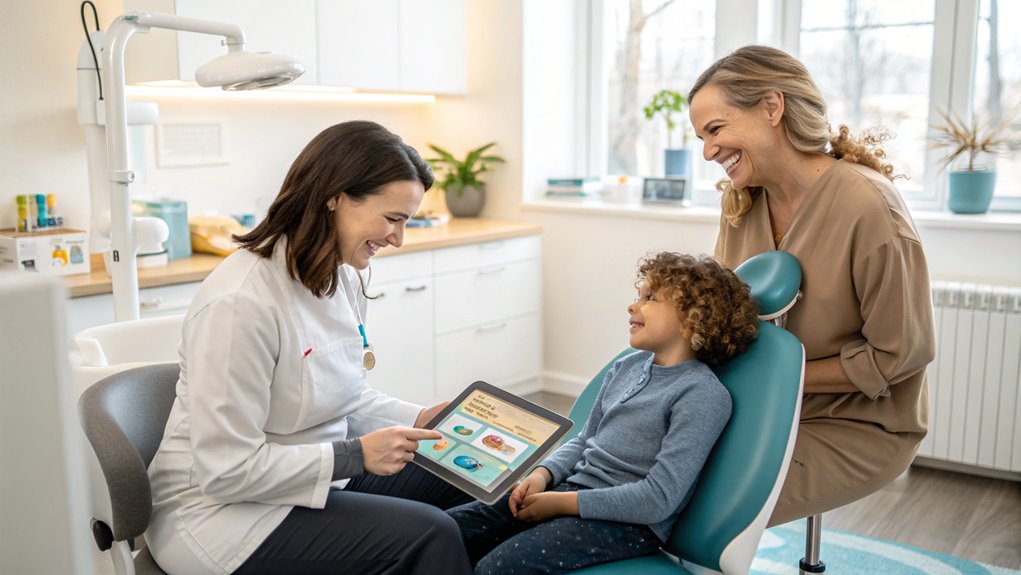
What Steps Should Chandler Parents Take to Find the Right Dentist for Their Special Needs Child?
Quick Take: Chandler parents seeking dental care for their special needs child must identify providers skilled in personalized, compassionate approaches that ensure safety and comfort.
Finding the right dentist for a special needs child presents unique challenges, as parents must consider more than just clinical expertise. It involves locating professionals who possess specialized pediatric training and a deep understanding of various disabilities, enabling them to deliver care with patience and empathy.
Since each child’s needs differ, families often face the difficult task of ensuring the office environment and staff can accommodate sensory sensitivities and communication differences, which are critical for a positive dental experience.
To navigate this process effectively, parents should prioritize dentists who incorporate minimally invasive techniques alongside sedation options tailored to reduce anxiety and discomfort. Scheduling consultations allows families to observe how the dental team interacts with children, assess the accessibility of the facility—including ADA compliance and sensory-friendly modifications—and discuss individualized treatment and behavioral management plans.
By thoroughly evaluating these factors, parents can confidently select a provider committed to delivering safe, comfortable, and customized oral care that supports their child’s long-term health and well-being.
Key Takeaways
- Confirm the dentist has specialized pediatric training and experience working with children who have special needs, including managing behavioral challenges and understanding medical histories.
- Check that the dental office is ADA-compliant, offers sensory-friendly accommodations, and has treatment rooms spacious enough for mobility aids.
- Verify the availability of sedation options, such as nitrous oxide, oral sedation, IV sedation, and general anesthesia, to accommodate more complex dental procedures.
- Evaluate communication methods used by the staff, like visual aids, the tell-show-do technique, and collaboration with caregivers to help reduce anxiety and improve care.
- Visit the practice to get a sense of the staff’s approach, the child-friendly environment, and whether scheduling is flexible to meet your child’s specific needs.
Research Dentists With Specialized Training in Special Needs Care
Finding the right dental provider for a special needs child involves seeking practitioners who have advanced education beyond general dentistry. As a result, pediatric dentists with two to three years of focused training in behavior management and clinical techniques for patients with developmental, sensory, or cognitive challenges provide superior care. Over time, these specialized skills translate into safer, more effective dental visits that reduce anxiety and accommodate diverse needs.
More importantly, selecting a dentist with recognized certifications and hospital-based experience demonstrates a commitment to comprehensive care for complex cases. In practice, families benefit when dental teams are trained not only in clinical procedures but also in communication strategies and sensory accommodations, enhancing comfort and treatment outcomes. Coordinating insurance acceptance and flexible scheduling further supports seamless access to care. Additionally, experts in pediatric dentistry are known for their ability to manage dental anxiety while providing compassionate care tailored to each child’s needs.
Key credentials and practice features to prioritize include
• Pediatric dental residency programs emphasizing special needs treatment protocols
• Certifications such as Certified Autism Specialist (CAS) from the International Board of Credentialing and Continuing Education Standards
• Fellowship training in Special Care Dentistry providing exposure to medically complex, hospital-based cases
• Office environments equipped with sensory-friendly tools and flexible patient management approaches
• Staff trained in behavioral guidance techniques and communication adaptations for nonverbal or sensory-sensitive patients
• Verification of insurance compatibility and appointment availability tailored to family dynamics
Ultimately, entrusting your child’s oral health to a dentist with specialized expertise fosters trust and confidence in their care journey. That’s why investing time to verify credentials, training, and practice readiness is crucial. By prioritizing these factors, parents become empowered advocates who facilitate positive dental experiences that promote long-term oral wellness. Moving forward, this thoughtful selection process is foundational to nurturing both dental health and overall quality of life for children with special needs.
Schedule Consultations to Assess the Office Environment and Staff Approach
Quick Take: Scheduling an initial consultation with a dental practice is essential for families to evaluate the office environment, accessibility features, and staff communication style to ensure it aligns with their child’s specific needs and comfort.
As a result, an initial consultation serves as a crucial step in determining whether a dental office fosters a welcoming, anxiety-reducing atmosphere tailored for pediatric patients. Over time, families gain valuable insight into how physical accessibility, such as ramps and parking availability, supports ease of visit and accommodates diverse needs. More importantly, this visit provides a direct experience of the office’s ambience and operational flow, which can significantly impact a child’s dental experience.
In practice, the consultation also reveals the dental team’s approach to patient care, highlighting their use of positive reinforcement, clear communication, and educational tools like visual aids. That’s why discussing appointment flexibility, including longer visits or preferred times, is vital for managing children’s comfort and behavioral needs. Additionally, addressing insurance policies upfront helps families avoid financial surprises and plan accordingly.
Key evaluation factors during a consultation include:
• Observing environmental elements that reduce sensory overload, such as quiet waiting areas and child-friendly decor
• Assessing physical accessibility features like wheelchair ramps and ample parking for ease of arrival
• Noticing staff demeanor, including friendliness, patience, and proficiency in managing pediatric anxiety
• Understanding communication strategies, such as visual aids and step-by-step explanations for children
• Clarifying appointment scheduling flexibility to accommodate longer or morning visits tailored to children’s routines
• Reviewing insurance acceptance and billing procedures to ensure financial transparency
Ultimately, prioritizing an in-person consultation empowers families to make informed decisions grounded in firsthand experience and expert assessment. Over time, this proactive approach fosters trust and confidence that the practice can effectively support their child’s dental health journey. Additionally, families should consider choosing a practice that offers child-centered dental environment to promote a positive experience for their child. Moving forward, parents can advocate for their child’s comfort and care with assurance, knowing they have chosen a practice aligned with their family’s unique needs.
Verify Facility Accessibility and Available Accommodations
Quick Take: Confirming a dental practice’s physical accessibility and accommodations ensures your child’s comfort, safety, and equitable care, aligning with ADA standards and individual needs.
As a result, thoroughly assessing a dental facility’s compliance with accessibility guidelines is essential for families seeking inclusive care environments. This involves evaluating structural elements like accessible parking, ramp gradients, and spacious interiors that facilitate mobility device use. Over time, understanding these factors empowers parents to select practices that prioritize universal design and patient-centered accommodations.
More importantly, accessibility extends beyond physical infrastructure to communication supports and sensory considerations. In practice, this means verifying visual signage clarity, tactile elements such as Braille, and availability of interpreters or alternative materials. Together, these components foster an environment where children with diverse physical and cognitive needs can receive dignified, barrier-free dental care. Additionally, it’s crucial to recognize that many pediatric orthodontists, such as those offering advanced pediatric orthodontic care, have specialized training to cater to the unique needs of children.
Key accessibility and accommodation features to confirm include:
• ADA-compliant parking: Clearly marked spaces located on the shortest accessible route to the entrance
• Barrier-free pathways: Level walkways with appropriately graded ramps and curb cuts for wheelchair navigation
• Spacious treatment rooms: Minimum 60 inches of clear floor space to accommodate mobility devices comfortably
• Adjustable dental chairs: Lowered to about 19 inches to facilitate safe, independent transfers
• Accessible restrooms: Sufficient maneuvering room and easy-to-operate hardware on doors
• Inclusive communication aids: Availability of sign language interpreters, Braille signage, and alternative format materials
Discuss Treatment Options and Sedation Availability
Key Insight: Exploring diverse treatment options and sedation methods empowers families to prioritize their child’s comfort and safety while addressing unique dental needs effectively. Understanding non-invasive techniques and sedation availability fosters informed decision-making tailored to each child’s medical history and behavioral challenges.
Over time, advances in pediatric dentistry have expanded the spectrum of treatment modalities designed to minimize discomfort and anxiety for young patients. More importantly, innovative approaches like Silver Diamine Fluoride application and laser dentistry offer minimally invasive alternatives that can halt decay and improve tolerance without conventional drilling or injections. As a result, these methods are especially beneficial for very young children or those with special needs, reducing procedural stress and enhancing overall oral health outcomes.
In practice, sedation options complement these techniques by accommodating varying levels of dental anxiety and procedural complexity. That’s why dental professionals provide a range of sedation choices—from nitrous oxide for mild sedation to general anesthesia for more extensive or distressing treatments—ensuring safety and efficacy throughout care. More importantly, digital diagnostic tools like digital X-rays integrate seamlessly into customized treatment plans, optimizing both clinical precision and patient comfort.
Comprehensive care encompasses multiple facets, including:
• Non-invasive treatments: Silver Diamine Fluoride application halts decay painlessly without drilling or injections
• Advanced technology: Laser dentistry reduces discomfort and enhances precision for sensitive or special needs patients
• Tailored sedation options: Nitrous oxide, oral sedation, IV sedation, and general anesthesia address anxiety across a spectrum of cases
• Safe diagnostics: Digital X-rays minimize radiation exposure while enabling accurate assessment of dental conditions
• Behavioral management: Customized approaches consider sensory sensitivities and medical history to optimize cooperation and comfort
Evaluate Communication Methods and Individualized Care Planning
Quick Take: Effective communication tailored to special needs children is essential for reducing anxiety and enhancing dental care outcomes. Dentists who integrate personalized visual aids, sensory accommodations, and caregiver collaboration create a supportive environment that fosters trust and compliance, ultimately improving the quality and success of each appointment.
In practice, dentists who prioritize individualized communication strategies significantly improve the dental experience for children with special needs. Utilizing tools such as social stories, picture schedules, and assistive communication devices not only clarifies procedural expectations but also diminishes fear and behavioral challenges. More importantly, understanding a child’s unique communication preferences—whether verbal, non-verbal, or through sign language—builds a foundation of trust that facilitates cooperation throughout the visit.
As a result, incorporating sensory-sensitive approaches like weighted blankets, adaptive lighting, and noise modulation addresses specific triggers that may otherwise cause distress or sensory overload. Over time, these tailored strategies, combined with caregiver involvement, empower parents to actively support their child’s comfort and engagement during appointments. That’s why comprehensive care plans that document behavioral patterns and positive reinforcement techniques are indispensable for consistent, patient-centered treatment outcomes.
Dentists committed to exceptional care demonstrate their expertise and empathy through key communication and individualized care components that include:
• Employing the tell-show-do method to gradually familiarize children with dental procedures
• Using visual aids such as social stories and picture schedules to set clear expectations
• Adapting sensory environments by adjusting lighting, sound, and tactile stimuli according to individual needs
• Actively collaborating with caregivers to align on communication preferences and behavioral support
• Recording and analyzing behavioral responses to customize ongoing treatment plans
• Integrating assistive technology and alternative communication methods to enhance understanding and comfort
More importantly, these evidence-based practices elevate the dental experience from a source of anxiety to one of reassurance and empowerment. By embedding personalized communication and sensory adaptations into routine care, dental professionals not only meet the unique needs of special needs children but also foster long-term positive attitudes toward oral health. As you seek dental providers or refine your practice approach, prioritizing these strategies ensures meaningful connections that drive successful, compassionate care journeys.
In Summary
Locating the right dental care provider for a special needs child requires diligent research and visits to several offices. Parents benefit from reviewing credentials and asking comprehensive questions to find a dentist who truly understands their child’s unique requirements. This careful process ensures families feel confident that their child will receive compassionate, personalized care. Palm Valley Pediatric Dentistry & Orthodontics serves families in Scottsdale, East Mesa, and Chandler, offering specialized expertise for children with special needs.
Thorough preparation before selecting a dentist helps parents secure the best possible care for their child’s oral health. The experience not only leads to appropriate treatment but also strengthens parental advocacy skills, which are crucial for navigating broader healthcare challenges. Parents gain valuable knowledge and confidence, empowering them to support their child effectively through various medical interactions. Palm Valley Pediatric Dentistry & Orthodontics is dedicated to supporting families with compassionate, tailored dental care throughout the Arizona communities they serve.
Ultimately, the journey to find the right dentist often proves as important as the destination itself. It fosters trust between families and dental professionals and builds a foundation for ongoing care and support. Parents who invest this effort can rest assured their special needs child receives the highest quality treatment available. Palm Valley Pediatric Dentistry & Orthodontics stands ready to assist families seeking expert pediatric dental care in Scottsdale, East Mesa, Chandler, and surrounding areas.