
How to Choose a
Pediatric Dentist?
10 Things Parents Should Know!
Parents should choose a kid-friendly dental office with strong safety steps, preventive dental care, good parent reviews, and support for baby teeth, growing smiles, cavities, dental emergencies, and orthodontic needs.
Your child’s first dental visits can shape how they feel about oral health for years.
At PVPD, we help families in Scottsdale and Chandler with pediatric dental cleanings, cavity checks, tooth extractions, laser treatment for tongue- and lip-tie, special needs dentistry, braces, and Invisalign clear aligners.
Why is Choosing the Right Pediatric Dentist Important?
The right pediatric dentist helps children feel safe, protects baby teeth, watches oral growth, and guides parents through each stage of care.
A calm first visit can make future cleanings, exams, cavity checks, X-rays, and orthodontic visits much easier.

Early Experiences Shape Lifelong Dental Habits
Children remember how dental visits feel. A gentle visit can build trust, while a rushed or scary visit can create fear.
Early visits also help parents learn about brushing, pacifier habits, thumb sucking, cavities, and healthy routines at home.

A Child’s Comfort and Confidence Matter
Some children cry, feel shy, or need extra time. A good pediatric dental team understands this.
They use simple words, a calm pace, and kind support so children feel respected in the dental chair.

The Benefits of Specialized Pediatric Dental Care
Pediatric dentists understand baby teeth, adult teeth, jaw growth, dental anxiety, tooth injuries, infections, tongue- and lip-ties, airway concerns, and special-needs care.
This gives families clear guidance from the first tooth through the teen years.
What Makes a Pediatric Dentist Different From a General Dentist?
A general dentist may treat both adults and children. A pediatric dentist focuses on children’s dental care, so the visit, language, tools, and pace are made for kids.

10 Things to Look for When Choosing a Pediatric Dentist
Parents can learn a lot before the first visit. The website, reviews, phone call, office feel, and first appointment can all tell you whether the practice is a good fit for your child.

Pediatric Dental Credentials & Specialized Training
Start with training.
A pediatric dentist should have dental school training plus additional training in children’s dental care. If the office has board-certified pediatric dentists, that can also give parents more confidence.
You do not need to understand every title. You can ask simple questions.
Good offices answer these questions clearly. They do not make parents feel silly for asking.

Experience Treating Children of Different Ages
A strong pediatric dental office should feel ready for every age.
A baby may need a first visit and parent guidance. A toddler may need a gentle cleaning. A young child may need dental care for a cavity. A teen may need orthodontic care, guidance on wisdom teeth, or Invisalign.
The best fit is an office that does not treat every child the same. A one-year-old needs a different kind of visit than a twelve-year-old.
A child who is afraid needs a different pace than a child who loves the dentist.
Ask how the office cares for your child’s age group. The answer should feel clear, warm, and real.
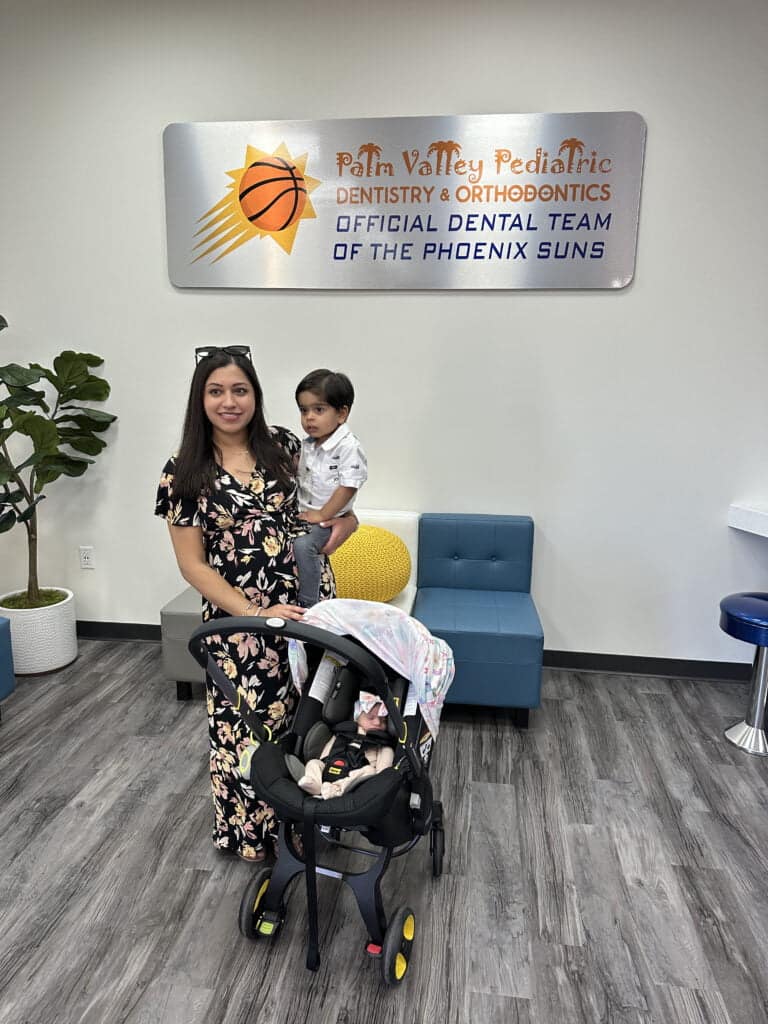
A Child-Friendly Office Environment
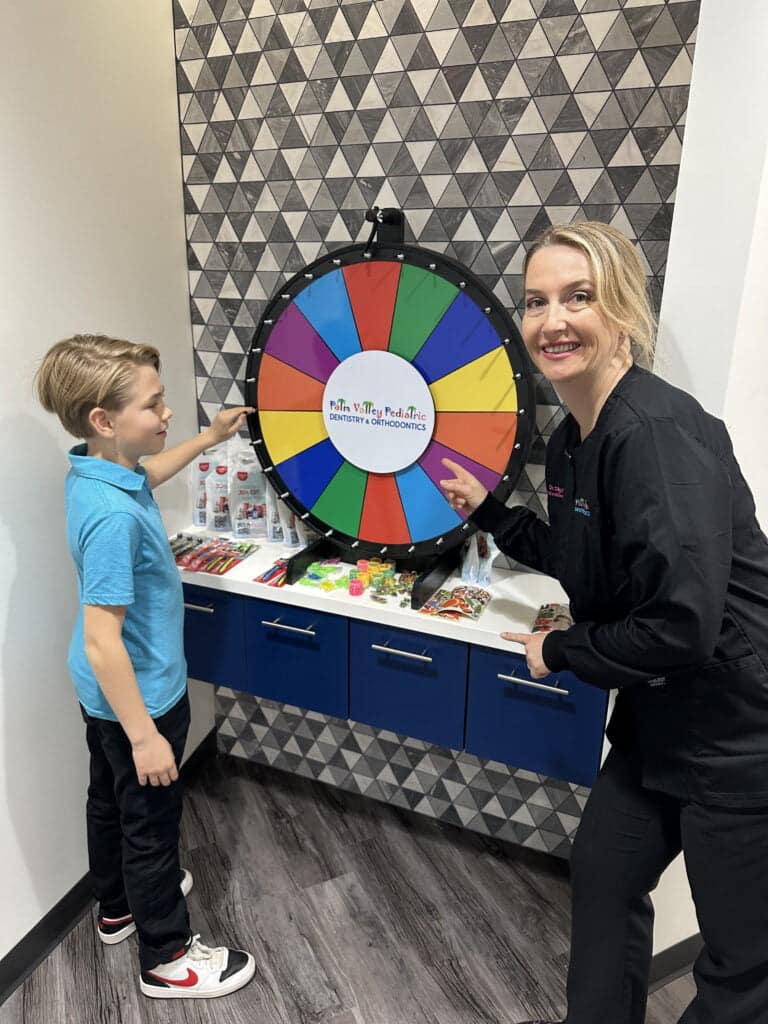
A child-friendly office is more than bright colors. It is the way the space feels. It should feel clean, calm, and made for children.
Parents should notice whether the waiting area feels welcoming. The treatment rooms should feel neat and safe. The team should speak kindly to children. The office should not feel cold or rushed.
A child-friendly place helps children feel welcome. That feeling can lower fear before the dentist even begins.
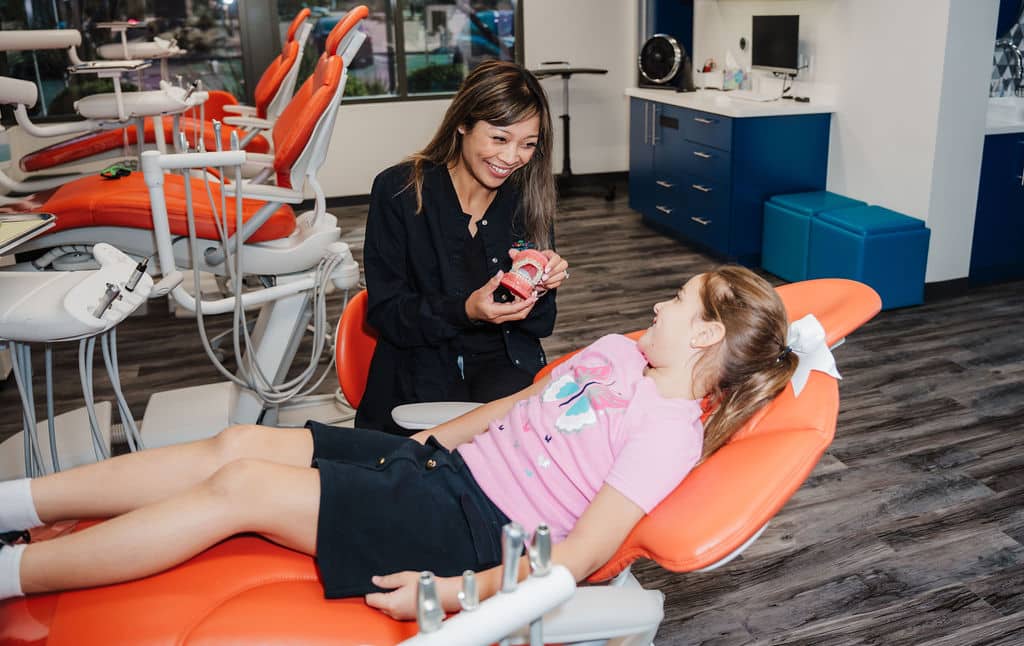
A Gentle and Patient Communication Style
The way a dental team talks matters. Children need simple words. Parents need clear answers. Nobody should feel confused after a visit.
A good pediatric dentist explains what they see, what it means, and what choices are available. They should speak to the child gently and to the parent respectfully.
If your child is scared, the team should not brush it off. If you have concerns, they should listen. If treatment is needed, they should explain the reason in plain language.

Positive Parent Reviews and Testimonials
Reviews can help you see how other families feel about the office. Look for signs that parents felt heard, children felt comfortable, and the team handled nervous kids with care.
One bad review does not tell the whole story. But the pattern matters. If many parents say the office is kind, clean, patient, and good with kids, that is a strong sign.
Read reviews for real details. Look for words about comfort, trust, safety, communication, and the team’s treatment of the child.

A Strong Focus on Preventive Care
Preventive care may include cleanings, exams, fluoride, sealants, X-rays as needed, brushing tips, dietary guidance, cavity checks, and advice on habits like thumb sucking.
Preventive care is important because baby teeth matter. They help children chew, speak, smile, and hold space for adult teeth. When baby teeth are cared for, it can support better oral health as the child grows.
Parents should leave visits knowing what to do at home.
The dentist should not only say, “Brush better.” They should show what that means for your child.
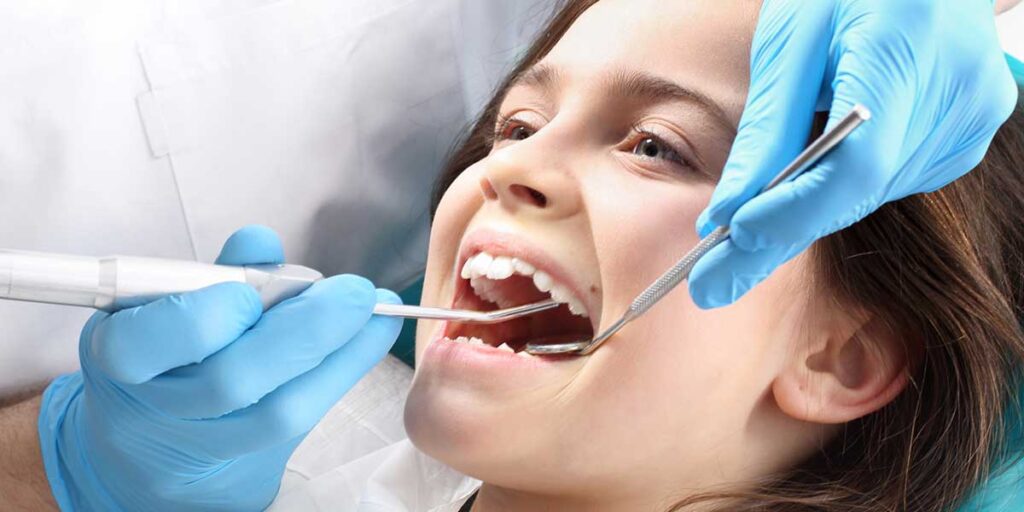
Safe Treatment and Sedation Protocols
Safety should be one of the most important factors in your choice. If your child needs treatment, ask how the office ensures children’s safety and comfort.
Some children may need simple care with no sedation. Some may need support for anxiety, longer treatment, or special needs. If sedation is discussed, parents should understand the plan, the risks and benefits, who will be present, how the child will be monitored, and what to expect before and after the visit.
A safe office welcomes these questions. They explain the process in plain words and never push parents to agree before they understand.

Modern Dental Technology
Modern dental tools can help make care more comfortable.
Digital X-rays, gentle imaging, laser treatment, and updated treatment tools can help the dentist see problems, plan care, and explain findings to parents.
Technology should never replace kindness. It should support better care. A good office uses technology to help children, not to make the visit feel cold or confusing.
Palm Valley Pediatric Dentistry & Orthodontics uses advanced dental technology in a kid-friendly setting, helping families feel more confident during visits.

Convenient Location and Scheduling
Convenience matters for families. A pediatric dental office should be easy enough to reach for cleanings, treatment, emergency visits, and follow-up care.
For parents in Scottsdale, a local pediatric dentist can make routine visits simpler.
For families near Chandler, having a Chandler office can also help reduce stress around school, work, and travel time.
Good scheduling also matters. Parents should be able to contact the office, ask questions, and find appointment options that make sense for their family.
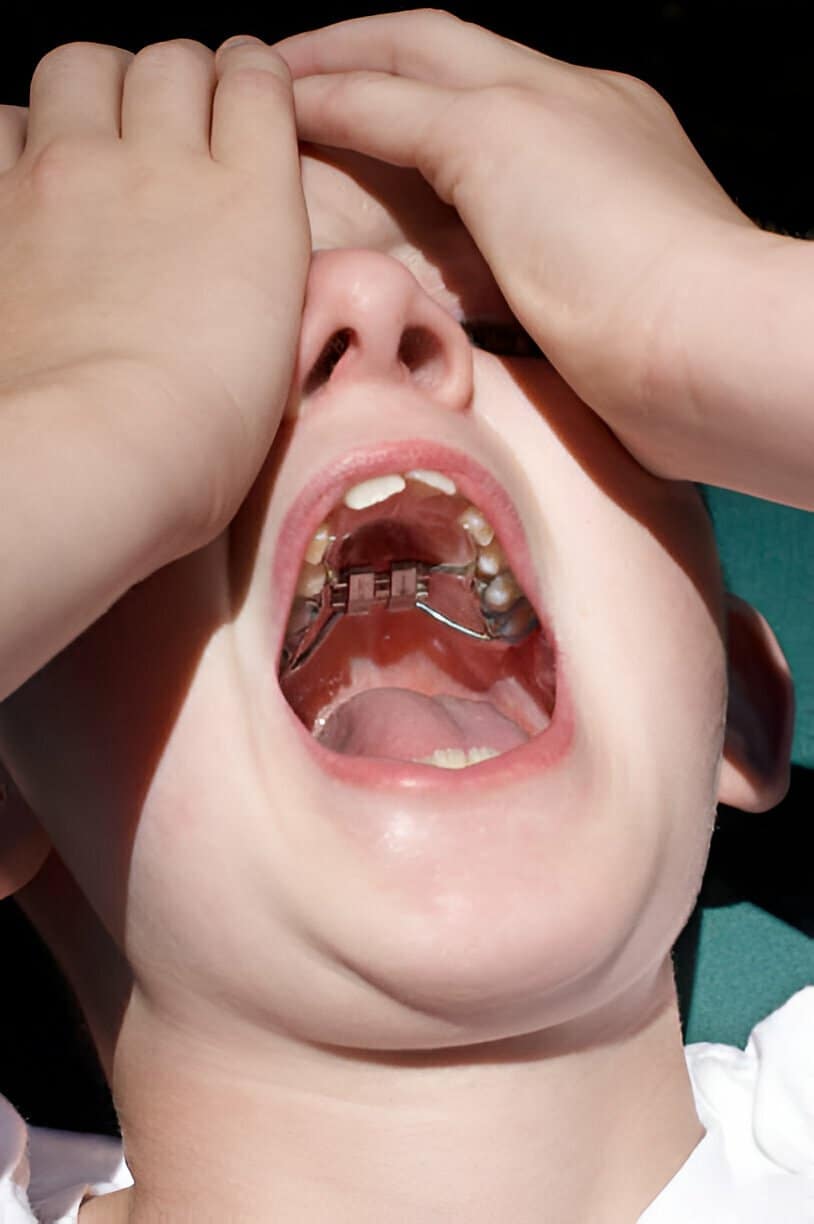
Emergency Dental Care Availability
Kids run, jump, fall, play sports, chew things they shouldn’t, and sometimes wake up with tooth pain. Dental emergencies can happen fast.
Ask whether the office offers same-day emergency dental care. Ask what to do if your child has a toothache, broken tooth, knocked-out tooth, swelling, dental infection, or mouth injury.
A pediatric dental office that handles emergencies can give parents a clear path when stress is high.
Why Do Parents Choose PVPD in Arizona?

How to Tell If a Pediatric Dental Office Is Truly Child-Friendly
Some offices say they are child-friendly. The real test is how your child feels and how the team acts.
A true child-friendly office sees the child as a whole person, not just a set of teeth. The team understands that children need time, trust, and simple words.

Welcoming Waiting Areas
The waiting area should feel calm and clean. It should not feel like a place where children are a problem. A welcoming space helps children settle before the visit starts.
For little kids, the first few minutes can set the tone. A kind greeting, a warm smile, and a relaxed space can help the child feel less nervous.

Friendly Team Members
A friendly pediatric dental team can help your child feel safe before the visit begins. The front desk, dental assistants, hygienists, and dentists should speak kindly, use calm words, explain simple steps, and give children time when they feel nervous.
Children can sense when adults are rushed. They can also sense when a dental office is gentle, patient, and truly child-friendly.

Age-Appropriate Communication
A good pediatric dental team talks to each child in a way they can understand. Toddlers need simple words, teens may want more detail, and nervous children may need one step at a time.
The dentist should also explain dental exams, X-rays, treatment options, and home care clearly to parents, so no one feels confused after the visit.

Positive Reinforcement Techniques
Children feel braver when the dental team notices their small wins. A good pediatric dental office praises your child for sitting in the chair, opening their mouth, staying calm, or trying something new.
This gentle support helps children build confidence and feel proud during dental visits.
How Can You Know If a Pediatric Dentist Is Safe?
A safe pediatric dental office is clean, calm, well-trained, and clear with parents.
Safety is not only about tools. It is also about planning, communication, and how the team watches your child during care.

Clean and Modern Treatment Areas
Treatment rooms should look clean, organized, and well cared for. The team should follow infection control steps and handle tools with care.

Safety Protocols and Infection Control
Ask how the office cleans rooms, sterilizes tools, and protects children during visits. A safe office should explain this in simple words.

Emergency Preparedness
The dental team should have a plan for emergencies, such as tooth injuries, swelling, allergic reactions, or medical concerns during treatment.

Sedation Safety Standards
If sedation is discussed, parents should know who provides it, how the child is monitored, and what steps are taken before and after care. Sedation should feel clear, not confusing.
Questions Parents Should Ask Before Choosing a Pediatric Dentist
A good pediatric dental office welcomes parents’ questions and answers them with care.
These questions can help you understand how the office supports children, handles safety, and explains treatment.

How do you help nervous children?
Ask how the team comforts children who feel scared, shy, or unsure. A good pediatric dentist should use calm words, gentle steps, breaks, parent support, and safe comfort options when needed.
What preventive dental services do you recommend?
Ask about cleanings, dental exams, fluoride, sealants, brushing help, diet guidance, X-rays, and cavity checks. The dentist should also explain what you can do at home.
How do you handle dental emergencies?
Ask what to do for tooth pain, swelling, broken teeth, knocked-out teeth, dental infections, or mouth injuries. Clear emergency guidance can help parents stay calm.
What treatment options do you offer?
Ask about pediatric cleanings, cavity care, space maintainers, extractions, infection care, tongue and lip tie laser treatment, special needs dentistry, braces, and Invisalign clear aligners.
How do you explain treatment plans?
A good pediatric dentist explains what they found, why it matters, what options you have, and what comes next. Parents should understand cost, timing, comfort, safety, and home care before making a choice.
Choosing the Best Pediatric Dentist for Your Child’s Age
The best pediatric dentist for your child is one who understands their stage of growth. Dental needs change from infancy to the teen years.

Infants and Toddlers
For infants and toddlers, the focus is on gentle first visits, parent guidance, early tooth checks, brushing help, feeding habits, pacifier use, thumb sucking, and early cavity prevention.
This age is not about doing too much. It is about creating comfort and helping parents start strong.
Preschool Children
Preschool children are learning how to brush, listen, sit, and trust new adults. They may be curious, nervous, silly, or shy.
A pediatric dentist should use simple words and a gentle pace. The team should help parents understand brushing, snacks, fluoride, cavity risks, and what to watch as baby teeth grow.

School-Age Children
School-age children may have loose teeth, adult teeth coming in, sports injuries, cavities, sealants, space concerns, or early bite issues. This is also the stage when habits form. Children can learn how to brush better, floss with help, and understand why dental care matters.
The dentist may also begin watching for orthodontic needs during this time.

Teenagers
Teens may need help with braces, Invisalign, guidance on wisdom teeth, sports mouthguards, gum health, cavities, diet habits, and confidence in their smile.
A good pediatric dental office talks to teens with respect. Teens are not little kids, but they are not fully adults either. They need honest guidance that does not make them feel judged.
A Simple Checklist for Choosing a Pediatric Dentist
A good pediatric dental office welcomes parents’ questions and answers them with care.
These questions can help you understand how the office supports children, handles safety, and explains treatment.

Qualifications
Look for a dentist with pediatric dental training and real experience caring for children. If the office has board-certified pediatric dentists or an orthodontic team, that can help families who want long-term care in one place.

Safety
Ask about clean treatment rooms, infection control, emergency plans, sedation safety, and how the team watches children during care. A safe office explains these things in a way parents can understand.

Office Environment
The office should feel welcoming to children. The space should be clean, calm, and made for families. Your child should be treated with kindness from the first hello.

Communication
The dentist should explain findings, choices, and next steps in clear language. Parents should feel invited to ask questions. Children should be spoken to with care.

Convenience
Location and scheduling matter. Families in Scottsdale may want a nearby Scottsdale pediatric dentist. Families near Chandler may want a Chandler office. Easy access can make cleanings, treatment, and emergency visits less stressful.

Reviews and Reputation
Read what other parents say. Look for signs of trust, kindness, gentle care, clear communication, and a strong child-friendly approach.
Looking for a Pediatric Dentist in Arizona?
Your child deserves dental care that feels gentle, safe, and clear. At Palm Valley Pediatric Dentistry & Orthodontics, families can find pediatric dental care, preventive services, orthodontics, braces, Invisalign, emergency dental care, and support for children with special needs.
Whether your child is ready for their first dental visit, needs help with a cavity, feels nervous about treatment, or may need braces, the PVPD team is here to help your family take the next step with confidence.
Schedule your child’s visit with Palm Valley Pediatric Dentistry & Orthodontics in Chandler or Scottsdale and give your child a caring place to grow a healthy smile.