Advanced Pediatric Dental Care Strategies for School-Age Children in East Mesa: Preventing Cavities and Orthodontic Issues
Quick Take: Discover comprehensive pediatric dental strategies tailored for school-age children in East Mesa that focus on early orthodontic care and cavity prevention to foster lasting oral health.
Ensuring good dental health for school-age children means recognizing risks like cavities and early orthodontic concerns that can become more complex if neglected. In communities like East Mesa, timely evaluations around age seven—along with preventive treatments such as fluoride applications and sealants—help catch issues early and protect developing smiles.
Creating sensory-friendly dental environments also reduces anxiety, encouraging kids to attend appointments consistently. Combined with school-based programs and flexible payment options, these efforts remove barriers to care, strengthen confidence, and support long-term oral health for children across East Mesa.
Key Takeaways
- Early orthodontic screenings around age seven help spot developing concerns during mixed dentition, allowing for timely interventions that can simplify future treatment.
- Professional fluoride applications and dental sealants can lower cavity risk by up to 80% by strengthening enamel and shielding the chewing surfaces of molars.
- Sensory-adapted dental settings effectively reduce anxiety in children, promoting better cooperation and treatment success, with studies showing an average anxiety reduction of about 0.66 points.
- School-based dental programs and flexible payment plans address socioeconomic challenges, making consistent pediatric dental care more accessible in East Mesa.
- Collaboration among parents, dentists, and orthodontists supports personalized treatment plans focused on prevention and guiding healthy dental development.
Early Intervention Orthodontic Approaches for Mesa Students
Quick Take: Early orthodontic intervention, ideally around age seven, is crucial for identifying and addressing developing dental issues, significantly improving long-term outcomes and reducing treatment complexity.
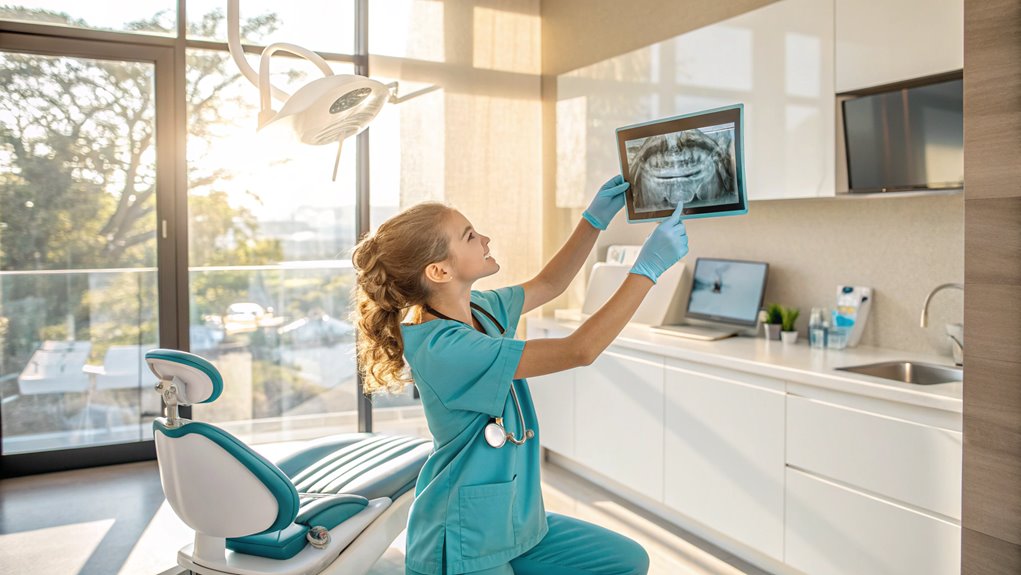
As a result of emerging research, it is clear that early mixed dentition is a critical window for orthodontic assessment and treatment. Detecting malocclusions, crowding, or jaw discrepancies during this phase allows specialists to implement preventive strategies that guide proper dental development. Timely intervention can minimize the need for extensive corrective procedures later in adolescence or adulthood.
Increased parental awareness and regular dental evaluations create a supportive environment for proactive orthodontic care. That’s why educating families about early warning signs such as crossbites or abnormal jaw relationships is essential. Collaboration between parents, general dentists, and orthodontists fosters early diagnosis and individualized treatment plans tailored to each child’s growth pattern. Additionally, comprehensive dental care addresses both oral health and emotional well-being, ensuring children receive the support they need during their growth.
Key benefits of early orthodontic intervention include:
- Improved jaw alignment through guided growth modification
- Prevention of severe crowding by creating space for erupting teeth
- Reduction in risk for trauma to protruding front teeth
- Enhanced facial symmetry and aesthetic development
- Simplified, shorter comprehensive treatment phases during adolescence
- Increased likelihood of stable, long-lasting orthodontic results
Recognizing the significance of early orthodontic assessments shifts the mindset from reactive to preventive care. This approach empowers families to act promptly, securing healthier dental futures for their children. By embracing timely intervention, parents become vital advocates, ensuring that orthodontic challenges are addressed before they escalate, ultimately optimizing oral health and confidence.
School-Age Cavity Prevention Beyond Regular Brushing
Beyond the essential habit of regular brushing, cavity prevention in children demands an integrated approach combining clinical interventions and lifestyle adjustments. Professional fluoride applications and dental sealants have become cornerstone methods to fortify enamel and shield vulnerable surfaces from acid erosion and bacterial infiltration. These measures significantly reduce the incidence of tooth decay, especially in molars prone to cavities.
Dietary habits profoundly influence oral health by modulating the oral microbiome and acid production. That’s why structured eating schedules, limiting fermentable carbohydrates, and promoting hydration with water instead of sugary drinks are critical components of a preventive dental care regimen. Regular dental checkups enable early detection and personalized risk assessment, ensuring timely interventions.
For effective cavity prevention, consider these evidence-based strategies:
- Professional fluoride treatments enhance enamel remineralization and increase resistance to acid attacks, recommended biannually for children with moderate to high caries risk.
- Dental sealants act as physical barriers on occlusal surfaces, preventing bacterial colonization in deep pits and fissures where decay initiates, reducing molar cavities by up to 80%.
- Dietary counseling focuses on reducing frequency and quantity of sugar intake, avoiding sticky and starchy snacks, and encouraging balanced meals to stabilize oral pH and limit cariogenic substrates.
- Hydration with water supports saliva production, which naturally neutralizes acids and facilitates mineral delivery to teeth, thus maintaining oral ecosystem balance.
- Routine dental assessments provide early identification of enamel demineralization, plaque accumulation, and behavioral risk factors, enabling customized preventive care plans. Additionally, advanced dental tools utilized in our practice ensure a more effective and comfortable experience for children during these preventive treatments.
Specialized Treatment Options for Anxious Young Patients
Key Insight: Effectively managing dental anxiety in children requires a comprehensive blend of behavioral techniques, sedation options, and innovative technologies that foster comfort and cooperation throughout pediatric dental care. These tailored strategies not only alleviate fear but also promote positive, lasting attitudes toward oral health.
Integrating specialized behavioral management approaches like the tell-show-do method builds trust and demystifies dental procedures for young patients. Children gain a clearer understanding of each treatment step, reducing apprehension and enhancing compliance. Combining these foundational techniques with sedation modalities and advanced distractions addresses varying anxiety levels, ensuring individualized care that supports both emotional well-being and clinical success.
Embracing a multi-faceted approach to dental anxiety involves leveraging evidence-based sedation options alongside minimally invasive treatments and immersive distractions to optimize patient experience. This holistic framework empowers dental professionals to create a supportive environment tailored to a child’s unique needs and fear thresholds. Additionally, incorporating Invisalign clear braces as a discreet orthodontic solution can further enhance a child’s comfort during dental visits.
Comprehensive strategies for anxious pediatric dental patients include:
- Behavioral management techniques such as tell-show-do and positive reinforcement to build familiarity and reward cooperation
- Sedation options ranging from nitrous oxide inhalation for mild anxiety relief to oral and intravenous sedation for severe cases
- Minimally invasive procedures like atraumatic restorative treatment that reduce discomfort and procedural complexity
- Advanced distraction methods, including virtual reality and audiovisual aids, to redirect attention and minimize distress
- Parental involvement and communication strategies that foster reassurance and prepare children pre-visit
- Customized anxiety assessment tools guiding personalized intervention plans and ongoing anxiety monitoring
Addressing dental anxiety in young patients requires more than standard preventive care—it demands an adaptive, empathetic approach that prioritizes emotional safety alongside clinical efficacy. Dental teams can transform fearful encounters into positive experiences, promoting lifelong oral health habits. By integrating sedation, behavioral science, and cutting-edge technology, practitioners equip children and families with the confidence needed to navigate dental care successfully.
Multi-Sensory Dental Experiences Improving East Mesa Children’s Care
Key Insight: Sensory-adapted dental environments (SADE) in East Mesa significantly reduce children’s anxiety and improve their overall dental experience, promoting better cooperation and oral health outcomes. These innovative settings leverage multi-sensory integration techniques to create calming atmospheres tailored to pediatric needs, especially benefiting children with sensory sensitivities or special needs.
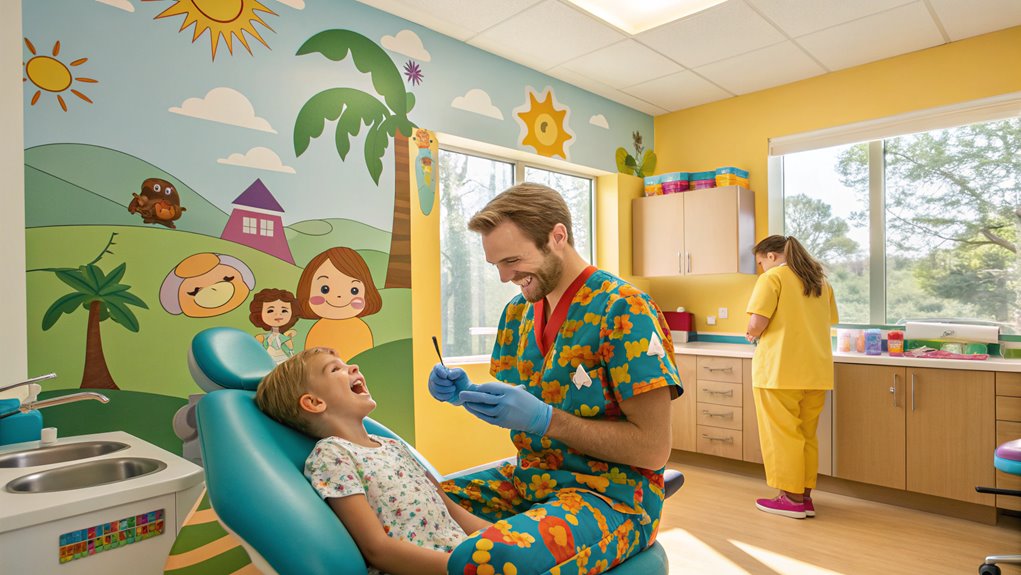
Modifying dental environments using visual, auditory, and tactile stimuli helps lower stress responses and enhances physiological stability during treatments. Children exhibit more positive behaviors, reduced nervous system activation, and greater comfort throughout dental procedures. These improvements foster lasting positive associations with dental care, reducing treatment resistance and supporting consistent oral hygiene habits.
Compelling evidence underscores the advantages of sensory-adapted dental care, with key benefits including
- Anxiety reduction quantified by a standardized mean decrease of -0.66 compared to traditional settings
- Lowered heart rates and elevated oxygen saturation levels during dental interventions
- Enhanced behavioral outcomes through targeted sensory integration approaches
- Specific efficacy for children with developmental or sensory processing disorders
- Improved cooperation enabling more efficient and less traumatic dental treatments
East Mesa’s practices of adopting these evidence-based SADE protocols are setting a new standard in pediatric dentistry. By prioritizing sensory-friendly environments, dental professionals empower families and children to overcome dental fears, ultimately driving better preventive care and healthier smiles. This approach not only transforms individual visits but also reshapes long-term oral health trajectories, aligning clinical expertise with compassionate, patient-centered innovation. Furthermore, these practices often incorporate advanced technology to further enhance treatment outcomes and patient comfort.
Addressing Socioeconomic Factors in Pediatric Dental Health Access
As a result of financial constraints and limited healthcare resources, children from lower-income families experience disproportionately higher rates of untreated dental caries and inadequate preventive care. These disparities exacerbate oral health inequities, impacting not only dental outcomes but overall quality of life and development. That’s why addressing socioeconomic determinants is essential to creating equitable pediatric dental services that foster lasting health benefits.
Multiple interconnected factors shape access to dental care in underserved populations, including insurance coverage gaps, food insecurity, and caregiver health literacy. Community-based interventions that integrate education, affordable care options, and culturally sensitive outreach have demonstrated success in mitigating these barriers. East Mesa providers exemplify this approach by implementing school-centered programs and flexible payment models tailored to local needs, such as emergency dental care to address urgent health concerns.
Key socioeconomic contributors to pediatric dental disparities include:
- Limited household income restricting routine dental visits and timely treatments
- Food insecurity increasing consumption of cariogenic diets high in sugars and processed snacks
- Parental education levels influencing oral hygiene practices and preventive behaviors at home
- Public insurance limitations affecting provider availability and continuity of care
- Neighborhood access challenges, including transportation and proximity to dental clinics
- Community awareness and culturally competent communication shaping utilization of dental services
Shifting the focus beyond clinical care to encompass these underlying socioeconomic factors drives more sustainable improvements in pediatric oral health equity. By recognizing and proactively addressing financial, educational, and environmental barriers, dental providers empower families to prioritize preventive care and reduce disease burden. As you engage with East Mesa dental services, embracing this holistic perspective enables you to champion comprehensive solutions that truly transform children’s dental health outcomes.
In Summary
East Mesa’s pediatric dental approach emphasizes prevention, early detection, and compassionate care, ensuring children receive the support they need regardless of background. By combining cavity-prevention strategies with methods designed to ease dental anxiety, the community helps kids build healthy oral habits from an early age.
Palm Valley Pediatric Dentistry & Orthodontics strengthens this effort with specialized pediatric and orthodontic services across East Mesa, Scottsdale, Chandler, and nearby areas. Through advanced preventive care and timely treatment, we help families address dental and developmental concerns early, laying the groundwork for lifelong oral health and confident smiles.