
Gentle Laser Treatment for Babies and Kids
Feeding difficulties, speech concerns, or restricted oral movement can affect your child’s comfort and development.
A gentle laser treatment can help your baby or child eat, speak, and smile more comfortably.
At PVPD, we provide tongue-tie and lip-tie evaluations and laser release treatment for babies and children in Scottsdale, Arizona.
Schedule a consultation today to find out if tongue-tie or lip-tie treatment can help improve your child’s feeding, speech, or oral comfort.

What Is a Tongue-Tie?
A tongue-tie, or ankyloglossia, is when the small strip of tissue under the tongue (lingual frenulum) is shorter or tighter than usual. This can limit how freely the tongue moves.
When movement is restricted, babies may struggle with feeding or latching. In older children, it can make everyday actions like speaking clearly, cleaning the teeth properly, or moving the tongue with ease more difficult.

What Is a Lip-Tie?
A lip-tie occurs when the band of tissue connecting the upper lip to the gums (labial frenulum) is unusually tight or thick.
This tightness can reduce how far the upper lip can move. In infants, it may interfere with feeding. In older children, it can sometimes affect brushing, flossing, or even contribute to a gap between the front teeth.
Signs Your Baby May Have a Tongue-Tie or Lip-Tie
You may notice your baby having trouble latching onto the breast or bottle, taking a long time to finish feeds, or needing frequent breaks while feeding.
Some babies make clicking or smacking sounds during feeding, or seem to struggle with milk transfer, which can lead to slow weight gain over time.
Others may appear tired, frustrated, or fussy during or after feeds.
Common signs include:
These symptoms don’t automatically point to a tongue-tie or lip-tie. A careful exam is the only way to understand the real cause and decide what care, if any, is needed next.


Signs of Lip or Tongue-Tie in Older Children
When a tie is affecting daily comfort, feeding, speech, or oral hygiene, the next step is often a simple release procedure designed to improve movement and function.

What Is a Laser Frenectomy?
A laser frenectomy is a quick and precise procedure used to release tight tissue under the tongue or upper lip. It may also be called a tongue-tie release, lip-tie release, or frenulum release.
Using a dental laser allows for gentle, controlled treatment of the restricted tissue. The aim is to improve mobility while keeping the experience as comfortable and child-friendly as possible.
What Happens During the Laser Frenectomy Visit?
We start with a gentle exam of your child’s tongue, lips, and oral tissues to see how everything moves. We also talk with parents about feeding, speech, and any daily challenges they’ve noticed.
If a laser frenectomy may help, we explain everything in simple terms and answer all your questions before moving forward.

What Happens After the Laser Procedure?
Before you leave, we guide you through easy aftercare steps so you know exactly what to expect at home. As the area heals, your child may need a short adjustment period as tongue or lip movement becomes easier.
For babies, extra support from a pediatrician, lactation consultant, or feeding specialist may be helpful. For older children, speech therapy can sometimes support clearer communication as they adapt.

Does Every Tongue-Tie Need Treatment?
No. A visible tongue-tie or lip-tie does not always cause a problem.
Our team looks at how the tissue affects feeding, speech, movement, and oral health. We recommend treatment only when the tie limits normal function or causes an ongoing concern.
Why Do Scottsdale Parents Choose PVPD?
At PVPD, tongue-tie and lip-tie care is all about making things feel easy, friendly, and stress-free for both kids and parents.
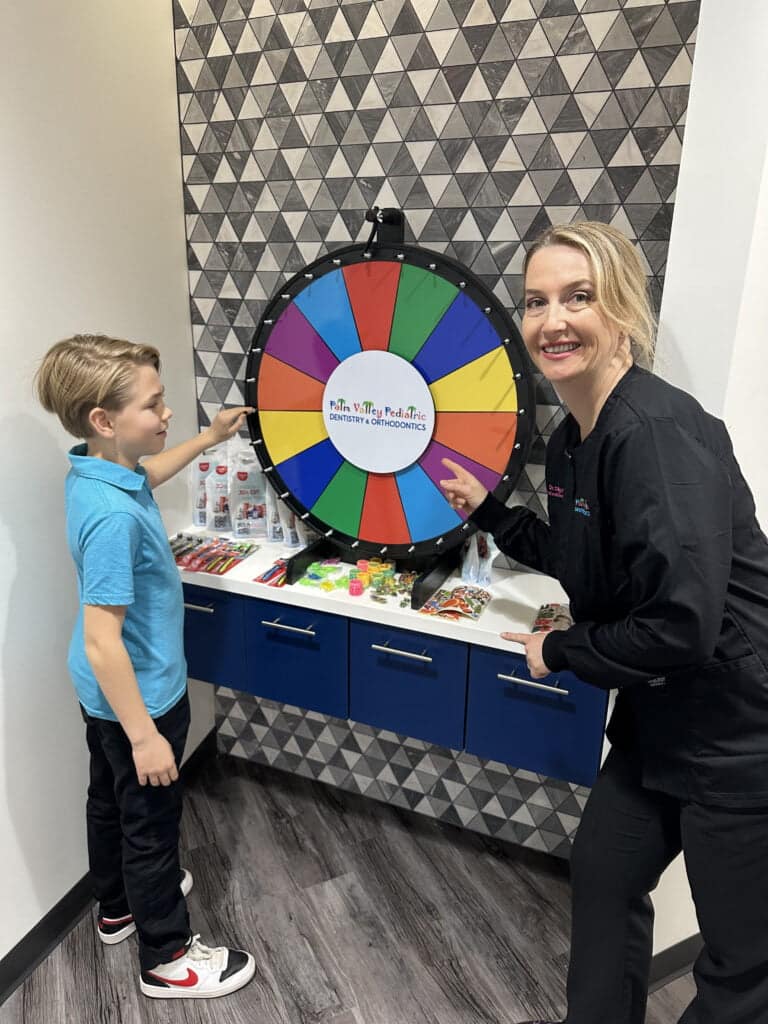
We take time to talk, listen, and explain every step so nothing ever feels confusing or rushed. Kids are treated in a warm, playful setting where comfort comes first, and fear takes a back seat.
From the first visit to follow-up care, our team stays connected with your family, guiding you through the process with simple explanations and steady support.
It’s gentle care, clear communication, and a team that treats every child like their own.
Book a Tongue-Tie or Lip-Tie Evaluation!
If your baby struggles with feeding or your child seems limited in tongue movement, an evaluation can help identify what’s going on and what to do next.
We take a gentle, detailed look and explain everything in a way that’s easy for parents to understand.
Schedule your visit today in Scottsdale, Arizona, and let us help bring comfort and ease back to your child’s feeding, speech, and daily function.