7 Easy Solutions for a Grey Tooth in Your Toddler
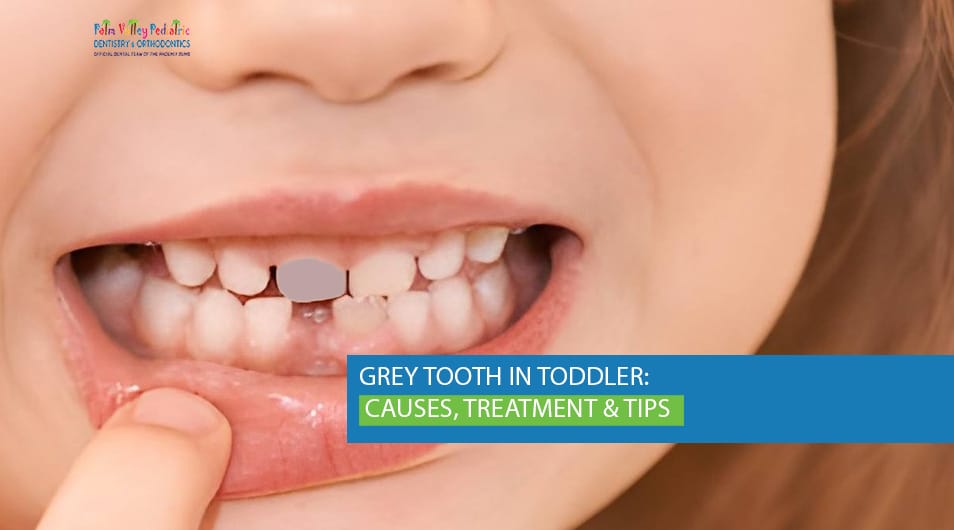
A grey tooth can worry any parent, especially when it appears after a fall or bump. In toddlers, a grey baby tooth often develops after an injury damages the blood vessels or pulp inside the tooth.
Sometimes the tooth heals without treatment. In other cases, the injury can damage the pulp or cause an infection that needs dental care. A grey color alone does not tell you whether the tooth needs treatment, so a pediatric dentist should check it.

Is Your Child’s Smile on the Right Track?
Early dental visits aren’t just about cleaning teeth, they’re about catching problems before they become costly and painful. Our pediatric specialists create personalized care plans that grow with your child, from their very first tooth through their teen years.
Gentle, kid-friendly care in a welcoming environment.
At Palm Valley Pediatric Dentistry & Orthodontics (PVPD), our pediatric dentists care for children with dental injuries, tooth discoloration, and other oral health concerns.
If your toddler has a grey tooth after a fall or injury, book an appointment with our pediatric dental team so we can check the tooth and recommend the right care.
What Does a Grey Tooth in a Toddler Mean?
A grey tooth often means that an injury has affected the inside of the baby tooth.
The inside of a tooth contains the dental pulp, which holds nerves and blood vessels. A fall or hit can damage this area and cause bleeding inside the tooth, which can make the tooth look pink, purple, grey, or dark.
A grey tooth does not always mean that the tooth has died. Some injured baby teeth stay healthy and only need regular checks. However, a grey tooth with swelling, pain, pus, or other signs of infection needs prompt dental care.
What Causes a Toddler’s Tooth to Turn Grey?
A dental injury is the most common reason a toddler’s tooth changes color. However, other problems can also cause discoloration.
1. A Fall or Mouth Injury
Toddlers often fall while learning to walk, run, climb, and play. A hit to the mouth can injure a baby tooth even when the tooth does not crack or break.
The injury can damage the blood vessels and pulp inside the tooth. The tooth may then change color over the next few days or weeks.
2. Damage to the Tooth Pulp
A strong hit can injure the pulp inside the tooth. Blood or other changes inside the tooth can cause the crown to become darker.
The color may appear right after the injury or become more noticeable later. A dentist may use an exam and dental X-ray to check the tooth and look for signs of pulp damage or infection.
3. Internal Bleeding
A dental injury can break tiny blood vessels inside the pulp. Blood can then move into the tooth and cause a darker color.
This type of discoloration can happen even when the outside of the tooth looks normal. The dentist will look at the color along with other signs before deciding what the tooth needs.
4. Tooth Infection
An injured tooth can sometimes develop an infection. Bacteria can enter damaged areas and affect the pulp.
Look for signs such as gum swelling, pus, pain, bad breath, fever, or a small bump on the gum. These signs need prompt dental care.
5. Previous Dental Treatment
A baby tooth may also change color after certain dental treatments. The material used during treatment can sometimes affect the tooth’s color.
This type of discoloration does not automatically mean that the tooth has a new problem. Your child’s dentist can check the tooth if you notice a new or changing color.
What Happens After a Toddler’s Tooth Turns Grey?
A grey tooth can look different over time, so parents may notice changes after the original injury.
The color can become darker, stay the same, or sometimes become lighter. The dentist will also look for other signs, such as pain, swelling, tooth movement, or infection.
Right After the Injury
The tooth may look pink, purple, or grey after the injury. Your toddler may also have a sore lip or gum.
Even if the tooth looks fine at first, keep watching it because some changes appear later.
Over the Next Few Weeks
The tooth may become darker as the injury heals. A dentist can check the tooth during this period and decide whether it needs monitoring or treatment.
Over the Following Months
Some grey baby teeth remain healthy and stay in the mouth until they naturally fall out. Other teeth can develop signs of pulp damage or infection and may need treatment.
Can a Grey Baby Tooth Heal on Its Own?
Yes, some grey baby teeth can stay healthy without treatment.
A dentist may simply monitor the tooth when your child has no signs of infection or other problems. The tooth may stay grey but remain in place until it naturally falls out.
However, parents should not decide that a grey tooth is harmless based only on its color. A dental exam helps determine whether the tooth needs monitoring or treatment.
How Do Dentists Fix a Grey Tooth in a Toddler?
The right treatment depends on what the dentist finds during the exam.
Some children only need follow-up visits, while others may need treatment to protect their health and developing permanent teeth.
1. Monitoring
If the grey tooth does not show signs of infection or other serious problems, the dentist may recommend monitoring it.
This means checking the tooth over time to make sure it stays healthy. A grey baby tooth does not always need to be treated or removed.
2. Pulp Therapy
If the injury damages the pulp and the dentist can save the tooth, pulp therapy may help treat the damaged tissue.
Pediatric dentists choose the type of pulp treatment based on the health of the pulp, the condition of the tooth, and whether the tooth can be restored.
3. Tooth Extraction
If a baby tooth becomes badly infected or is too damaged to save, the dentist may recommend tooth extraction.
Before removing the tooth, the dentist will consider your child’s age, the condition of the tooth, any infection, and the development of the permanent tooth underneath it.
4. Antibiotics When Needed
Antibiotics may be used to help control certain dental infections, but they do not repair a damaged or grey tooth.
If your child has an infection that needs antibiotics, a pediatric dentist or doctor may prescribe them. Antibiotics should only be used when they are appropriate for your child’s condition.
5. Dental Filling or Restoration
If the grey tooth has damage from decay or an injury but still has enough healthy tooth structure, the dentist may be able to repair it with a dental filling or restoration.
Restoring the tooth can protect the remaining tooth structure and help your child eat comfortably. The type of restoration depends on how much of the tooth is damaged.
6. Stainless Steel Crown
If a baby tooth has a lot of damage but can still be saved, a stainless steel crown may be recommended.
The crown covers the tooth and helps protect it from further damage. It may be used when a tooth has extensive decay or has received pulp therapy and needs extra protection.
7. Treatment for Dental Trauma
If your toddler’s tooth turned grey after a fall, bump, or other injury, the dentist may recommend treatment for dental trauma.
The dentist will check the tooth for signs of damage and infection. They may also recommend follow-up visits to watch for changes over time.
When Is a Grey Tooth an Emergency?
A grey tooth needs urgent dental attention when your child also has signs of infection or serious injury. Contact a dentist promptly if you notice:
- Facial or gum swelling
- Pus around the tooth
- Severe or increasing pain
- Fever
- A swollen area that keeps growing
- A tooth that becomes very loose after an injury
- Trouble eating because of pain
A dental infection can become more serious if it spreads. Signs such as swelling, an abscess, or persistent dark discoloration with other infection signs need professional evaluation.
What Can Parents Do at Home?
Home care cannot tell you whether a grey tooth has pulp damage, but you can help protect the tooth while you arrange dental care.
Keep the Tooth Clean
Continue gentle brushing with a soft toothbrush. Clean around the grey tooth and nearby gums without putting extra pressure on the injured area.
Good oral hygiene helps reduce plaque and bacteria around the injured tooth.
Choose Softer Foods
Your toddler may feel some soreness after a mouth injury. Soft foods can make eating more comfortable for a few days.
Avoid very hard or sticky foods that may put extra pressure on the injured tooth.
Watch for New Symptoms
Check the tooth and gums each day. Look for swelling, pain, pus, bad breath, increased looseness, or a bump on the gum.
A change in color alone does not tell you whether the pulp is healthy, so report new symptoms to your child’s dentist.
Schedule a Dental Checkup
Have a pediatric dentist check the tooth after a dental injury, even when your toddler seems comfortable.
A professional exam can help identify problems that you cannot see at home.
Pediatric dental trauma guidelines stress the importance of proper diagnosis and follow-up after injuries to baby teeth.
How Can You Prevent Tooth Injuries in Toddlers?
You cannot prevent every fall, but you can lower the chance of many mouth injuries.
Make the Home Safer
Use safety gates, keep floors clear, and add guards to sharp furniture corners. These simple steps can help prevent falls.
Watch Active Play
Stay close when your toddler climbs, runs, or plays on playground equipment. Toddlers can lose their balance quickly.
Teach Safe Play
Teach your child not to run indoors, climb on furniture, or push other children during play. Simple safety rules can help protect their teeth.
Use a Mouthguard for Sports
If your child takes part in an activity that can cause a hit to the mouth, ask your dentist about a properly fitted mouthguard. A mouthguard can help protect the teeth during sports and other physical activities.
When Should You Take Your Toddler to a Dentist?
Make an appointment after a mouth injury if the tooth changes color, becomes loose, looks out of place, or causes pain.
You should also seek dental care if you notice gum swelling, pus, bad breath, or a bump near the tooth. Even when your toddler has no pain, a pediatric dentist can check the injured tooth and monitor it as it heals.
Give Your Child the Gift of a Healthy Smile
PVPD doesn’t just treat teeth; we build lasting relationships with families. More confident kids. More comfortable appointments. More reasons to smile. Our patients leave happier and healthier, visit after visit.
Serving families across Scottsdale, because every child deserves a great smile.
Final Thoughts!
A grey tooth in a toddler often appears after a fall or other mouth injury. The injury can damage the blood vessels or pulp inside the baby tooth and cause the color to change.
A grey tooth does not always need treatment. Some teeth stay healthy and only need monitoring, while others can develop pulp damage or infection.
If your toddler’s tooth turns grey, have our pediatric dentist check it. Book an appointment with PVPD or call us at (623) 535-7873 to have your child’s tooth checked and get the right care early.
People Also Ask
Can I whiten my toddler’s grey tooth?
Do not try to whiten a grey baby tooth at home. The color change usually starts inside the tooth, so whitening products will not treat the underlying problem. Ask a pediatric dentist to check the tooth first.
Should I brush a grey baby tooth?
Yes. Continue gentle brushing with a soft toothbrush unless your dentist tells you otherwise. Keeping the tooth and nearby gums clean helps maintain good oral hygiene.
Can a grey tooth hurt even if my toddler does not complain?
Yes. Toddlers may not always explain or show dental pain clearly. Watch for changes in eating, sleep, chewing, mood, or behavior and have the tooth checked if you have concerns.
Can a grey baby tooth become infected later?
Yes. An injured tooth can develop infection later, even if it looked fine at first. Watch for swelling, pus, pain, bad breath, or other changes and contact your child’s dentist if they appear.
Will my toddler need an X-ray for a grey tooth?
The dentist may recommend an X-ray depending on the injury and what they find during the exam. An X-ray can help the dentist check the root and the area around the tooth.
Can a grey baby tooth stay in until it falls out naturally?
Yes. Some grey baby teeth remain healthy and stay in place until they naturally fall out. A dentist should monitor the tooth to make sure it does not develop an infection or other problems.
Can a grey baby tooth damage the permanent tooth?
A serious infection around an injured baby tooth can affect the developing permanent tooth. This risk makes follow-up important after significant dental trauma.
Pediatric Dental Specialist at PVPD

Dr. Olga
Dr. Olga brings years of specialized pediatric dental expertise and a genuine passion for children’s oral health to the PVPD team. She specializes in creating anxiety-free dental experiences and early-intervention care strategies that set children up for a lifetime of healthy smiles.
Medically reviewed by Dr. Olga Dolghier, DDS, Pediatric Dentist at Palm Valley Pediatric Dentistry & Orthodontics.