Can You Eat Popcorn with Braces? Risks, Tips & Safe Choices
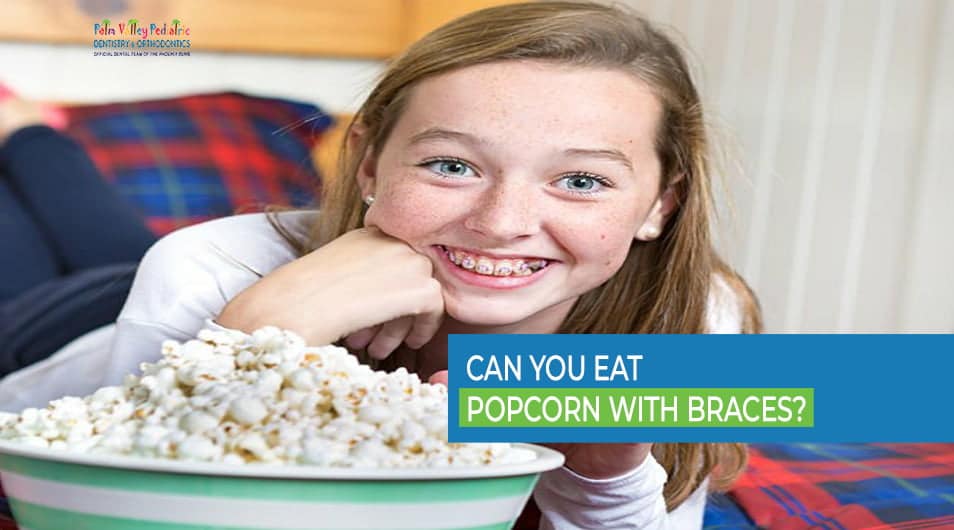
You can eat popcorn with braces, but be careful. Soft or hulless popcorn is usually safer, but hard kernels and sharp shells can damage your braces or get stuck in your gums.
This is a common issue during orthodontic treatment.
Popcorn can break brackets, bend wires, or leave small pieces trapped between your teeth. If not cleaned properly, it can lead to plaque, sore gums, or even cavities, which can slow down your treatment.
You do not have to stop enjoying snacks completely. You only need to choose safer foods and follow the right care tips to protect your braces and keep your smile on the right track.
At Palm Valley Pediatric Dentistry & Orthodontics, we provide expert orthodontic care for kids, teens, and adults.
Our treatments include traditional braces, Invisalign, and early treatment for bite problems like overbites, underbites, and crowded teeth.

Is Your Child’s Smile on the Right Track?
Early dental visits aren’t just about cleaning teeth, they’re about catching problems before they become costly and painful. Our pediatric specialists create personalized care plans that grow with your child, from their very first tooth through their teen years.
Gentle, kid-friendly care in a welcoming environment.
Can you Eat Popcorn with Braces?
The short answer is sometimes.
Regular popcorn can be risky because of two things: the hard kernels and the thin outer shell, also called the hull. These parts can easily get stuck under your gums or between your braces.
When this happens, it can cause gum irritation, swelling, pain, broken brackets, and bent wires, which may delay your orthodontic treatment.
Some softer popcorn, often called hulless popcorn, is considered a safer option because it has fewer hard pieces. But even hulless popcorn is not completely risk-free.
If you decide to eat popcorn while wearing braces, chew slowly and stop if you feel discomfort.
3 Reasons Regular Popcorn Is Not Safe for Braces
Regular popcorn may seem harmless, but it can create several problems when you wear braces. Its hard kernels and sharp hulls can damage your braces and affect your overall oral health if you are not careful.
1- Hard Kernels Can Break Brackets
Not every popcorn kernel fully pops. Some stay hard or half-popped. Biting into them can crack a bracket or loosen a wire.
This can delay your treatment and may require an extra visit to your orthodontist.
Hard foods are one of the top causes of damage to braces.
2- Popcorn Hulls Can Hurt Your Gums
The thin shell around popcorn can be sharp. It can slide under your gum line and stay there without you noticing.
This may cause redness, pain, or even infection if left in place.
The Mayo Clinic explains that trapped food around the gums can increase irritation and raise the risk of gum problems.
3- It Can Be Hard to Clean Out
Braces already make brushing and flossing harder. Popcorn pieces can hide around brackets and wires.
If left behind, they can mix with bacteria and plaque. Over time, this can lead to cavities or bad breath. The Centers for Disease Control and Prevention states that plaque buildup is one of the main causes of tooth decay and gum disease.
Is Hulless Popcorn Better?
Hulless popcorn is softer and has thinner shells compared to regular popcorn. This makes it less likely to get stuck or damage braces.
But “less risky” does not mean “completely safe.”
Even hulless popcorn can still have small hard bits. You should always check before eating. If your orthodontist has told you to avoid popcorn completely, it is best to follow that advice.
What About Corn? Is It Safe with Braces?
Many people confuse popcorn with other corn products. The good news is that soft corn is usually fine.
Canned Corn
Canned corn is soft and easy to chew. It is usually safe for braces. Just make sure to brush afterward, because small pieces can get stuck around your brackets.
Corn on the Cob
Corn on the cob is different. Biting directly into it can put pressure on your braces. A better option is to cut the corn off the cob first.
9 Better Snacks to Eat Instead of Popcorn
If you are craving something crunchy or filling, there are plenty of safer options you can enjoy during your orthodontic treatment.
Choosing soft and easy-to-chew foods can help protect your braces while keeping you satisfied.
1- Yogurt and Cheese
Yogurt and cheese are soft, tasty, and rich in calcium. Calcium helps keep your teeth and bones strong, which is important during braces treatment.
Greek yogurt can also be a good source of protein, making it a healthy snack.
2- Soft Fruits
Fruits like bananas, strawberries, watermelon, blueberries, and peeled peaches are easy on your braces. They give your body important vitamins and satisfy sweet cravings without putting pressure on brackets or wires.
3- Muffins and Soft Cookies
Soft-baked muffins, banana bread, and cookies can be a great treat when you want something comforting.
Just make sure they do not contain hard nuts, sticky caramel, or crunchy toppings that could damage your braces.
4- Boiled Eggs
Boiled eggs are high in protein and very easy to chew.
They help keep you full for longer and support healthy growth in kids and teens.
5- Smoothies
Smoothies are one of the safest snacks for people with braces. You can blend fruits, yogurt, milk, and even vegetables like spinach for extra nutrition.
They are easy to drink and do not put any pressure on your teeth.
6- Mashed Potatoes
Mashed potatoes are soft, warm, and easy to eat. They are a comforting choice when your teeth feel sore after braces adjustments.
7- Oatmeal
Oatmeal is soft, filling, and full of fiber. You can add soft fruits like bananas or blueberries to make it more flavorful and healthy.
8- Soft Pasta
Pasta, macaroni, and noodles are good options because they are easy to chew. Adding soft vegetables or cheese can make them even better.
9- Applesauce
If you miss eating apples, applesauce is a safer choice. It gives you the same sweet taste without the hardness that can hurt your braces.
6 Foods You Should Avoid with Braces
While wearing braces, some foods can increase the risk of broken brackets, loose wires, or longer treatment time.
Avoiding these foods can help protect your teeth and keep your orthodontic treatment on track.
1- Hard Foods
Hard foods like ice, nuts, hard candies, and unpopped popcorn kernels can put too much pressure on your braces. Biting into them may crack a bracket or bend a wire, which can delay your progress.
2- Sticky Foods
Sticky foods such as caramel, chewing gum, toffee, and gummy candies can easily get stuck in your braces. They can pull on wires and make brushing much harder, increasing the risk of plaque buildup and cavities.
3- Crunchy Snacks
Snacks like potato chips, pretzels, hard crackers, and tortilla chips may seem harmless, but their sharp edges and hard texture can damage brackets or get trapped between your teeth.
4- Raw Hard Vegetables
Raw carrots, celery, and similar vegetables can be too tough to bite into directly. It is better to cut them into small pieces or cook them until they are softer.
5- Tough Meats
Chewy meats like steak, jerky, or hard chicken strips can be difficult to bite and may put extra stress on your braces. Softer, well-cooked meat is usually a better option.
6- Sugary Drinks and Snacks
Soda, sports drinks, and sugary snacks may not break your braces, but they can increase the risk of tooth decay.
Sugar can easily collect around brackets and lead to stains or cavities if not cleaned properly. Follow the proper protocol to clean your teeth with braces.
Tips to Eat Popcorn More Safely with Braces
If you still want to enjoy popcorn during your orthodontic treatment, taking a few extra steps can help lower the risk of damaging your braces.
While popcorn is never completely risk-free, being careful can make it safer.
1- Choose Soft or Hulless Popcorn
Go for softer popcorn varieties or hulless popcorn whenever possible. These are less likely to have hard shells that can get stuck in your gums.
2- Check for Hard Kernels
Before taking a bite, look for unpopped or half-popped kernels. These are the most common reason for broken brackets and bent wires.
3- Eat Slowly and Carefully
Take small bites and chew gently using your back teeth. Avoid biting down too hard, as this can put pressure on your braces.
4- Rinse Your Mouth Right Away
After eating, rinse your mouth with water to help remove loose popcorn pieces. This can prevent small particles from getting trapped around your brackets.
5- Brush and Floss Thoroughly
Popcorn can easily hide between teeth and wires. Brushing and flossing after eating helps maintain good oral hygiene and reduces the risk of cavities or gum irritation. Follow a proper routine to floss with braces.
Pay Attention to Discomfort
If you feel pain, notice something stuck in your gums, or think a bracket is loose, contact your orthodontist as soon as possible.
Quick care can prevent bigger problems.
Give Your Child the Gift of a Healthy Smile
PVPD doesn’t just treat teeth; we build lasting relationships with families. More confident kids. More comfortable appointments. More reasons to smile. Our patients leave happier and healthier, visit after visit.
Serving families across Scottsdale, because every child deserves a great smile.
Get Expert Braces Care and Guidance
Popcorn and braces do not always go well together.
Hard kernels and sharp hulls can damage brackets, irritate your gums, and make cleaning your teeth more difficult.
If you still want to enjoy popcorn, softer or hull-less options may be a safer choice, but caution is still important.
If you need braces, Invisalign, space maintainers, or routine dental care, the PVPD team provides guidance and orthodontic treatment.
If you have questions about braces, food choices, or your overall dental health, you can book a dental appointment with our team and get the care and answers you need.
Pediatric Dental Specialist at PVPD
Dr. Olga
Dr. Olga brings years of specialized pediatric dental expertise and a genuine passion for children’s oral health to the PVPD team. She specializes in creating anxiety-free dental experiences and early-intervention care strategies that set children up for a lifetime of healthy smiles.
Medically reviewed by Dr. Olga Dolghier, DDS, Pediatric Dentist at Palm Valley Pediatric Dentistry & Orthodontics.